
- Services
- Discovery & Intelligence Services
- Publication Support Services
- Sample Work
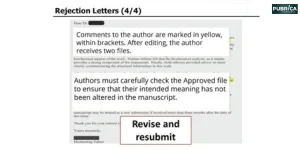
Publication Support Service
- Editing & Translation
-
Editing and Translation Services
- Sample Work

Editing and Translation Service
-
- Research Services
- Sample Work
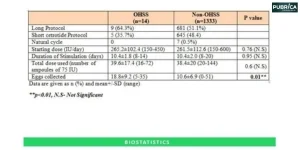
Research Services
- Physician Writing
- Sample Work
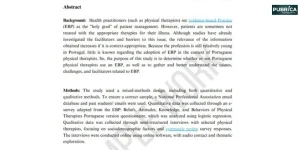
Physician Writing Service
- Statistical Analyses
- Sample Work
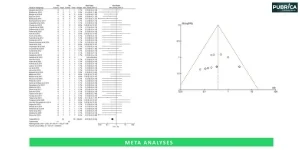
Statistical Analyses
- Data Collection
- AI and ML Services
- Sample Work
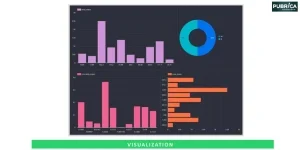
AI and ML Services
- Medical Writing
- Sample Work
Medical Writing
- Research Impact
- Sample Work
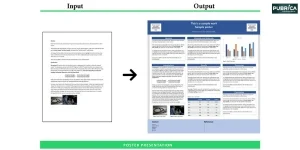
Research Impact
- Medical & Scientific Communication
- Sample Work
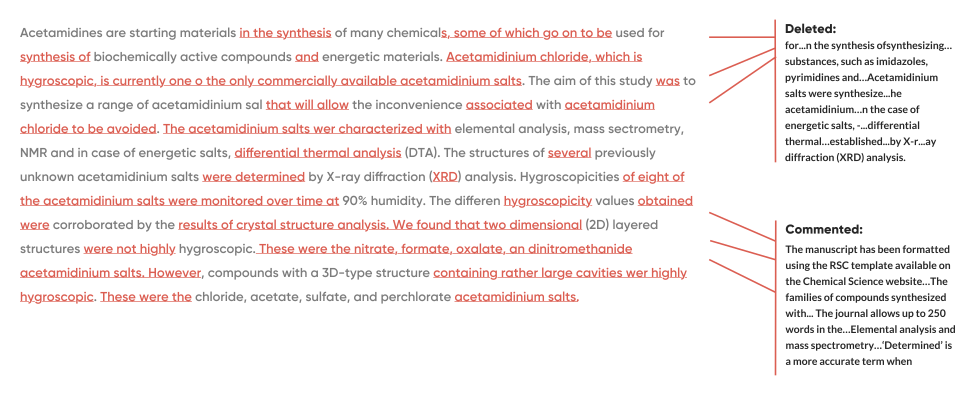
Medical & Scientific Communication
- Medico Legal Services
- Educational Content
- Academic Editorial Services
- Sample Work
Academic Editorial Services
- Educational Editorial Service
-
Education Editorial Services
- Sample Work
Education Editorial Services
-
- Industries
- Subjects
- About Us
- Academy
- Insights
- Contact Us
Understanding Research Gaps in Research
- Home
- Academy
- Reserach services
- Understanding Research Gaps in Research
High-Impact Journals
Interesting topics
Understanding Research Gaps in Research
In academic research, the idea of a research gap is of central importance in determining the relevance and uniqueness of a research study. A research gap is an area of existing knowledge that has not been fully researched, explained, or validated. Recognising research gaps is essential to enable researchers to add to existing knowledge, question existing theories, or improve existing methodologies. For postgraduate students and researchers, identifying research gaps is crucial for developing research questions and conducting meaningful research gap analysis when preparing dissertations, theses, or journal articles.[1]
A good research study starts with the ability to critically evaluate existing knowledge and identify gaps in knowledge. This process, often supported by a research gap analysis tool or a structured systematic literature review, provides direction to the research study and ensures that it contributes meaningfully to the academic community.[2]
1. What Is a Research Gap?
A research gap can be defined as a missing element, unresolved issue, or unexplored perspective within existing literature. It represents an opportunity for researchers to expand knowledge or address limitations found in previous studies. [3]
Research gaps may arise in the following instances:
- Existing literature may contain mixed results
- Some segments of the population or settings may be inadequately researched
- Methodological limitations may restrict the scope of the literature
- Dynamic changes in technology or society may necessitate additional research
While identifying research gaps, it does not mean that previous literature is flawed; rather, it reflects the natural progression of knowledge in a field and the need for continuous research gap analysis.
2. Why Identifying Research Gaps Matters
The recognition of the need to fill gaps in research is important because it helps ensure the continued innovation, relevance, and academic value of the research.
- Advancing knowledge: This helps to expand the academic understanding of the field.
- Strengthening the research’s relevance: Research on gaps contributes to the development of meaningful insights.
- Supporting originality: Universities demand dissertations that must demonstrate originality.
- Guiding the research: This helps to shape the research process.
Without proper research gap analysis, research may simply repeat what has already been studied instead of contributing new knowledge.
3. Types of Research Gaps
Research gaps can appear in several forms depending on the discipline and the existing body of scholarship. Understanding the types of research gaps helps researchers determine how their study can contribute to the field. [4]
| Type of Research Gap | Description | Example |
| Theoretical Gap | Lack of theoretical explanation for a phenomenon | Few studies applying a specific theory to a research topic |
| Methodological Gap | Limited or outdated research methods used | Overreliance on surveys without qualitative data |
| Empirical Gap | Lack of sufficient evidence or data | Few studies examining a specific population |
| Contextual Gap | Research limited to certain regions or contexts | Studies conducted only in Western countries |
| Practical Gap | Lack of application of research findings | Research not translated into policy or practice |
Understanding these types helps researchers determine how their study can meaningfully contribute to existing knowledge.
4. Methods to Identify Research Gaps
The most common methods of identifying research gaps are as follows:
- Conducting a Comprehensive Literature Review. A structured, systematic literature review enables researchers to analyse existing studies and identify inconsistencies or gaps in knowledge.
- Analysis of the Recommendations of Previous Studies. Most academic articles include recommendations for future research, which can help in identifying research gaps.
- Comparison of Different Studies: Discrepancies in the findings of different studies may help to identify gaps in the literature.
- Emerging Trends The rapid evolution of technology, human behaviour, or policies may help to identify gaps in the literature.
Some researchers also use digital tools such as a research gap finder or a specialised research gap analysis tool to assist in identifying potential research directions.
5. Common Mistakes When Identifying Research Gaps
However, many students find it hard to identify a research gap correctly. Some of the common mistakes that students make include: [5]
- Mixing up a research topic and a research gap
- Using outdated literature
- Omitting to consider interdisciplinary approaches
- Omitting to justify why this is important
A well-defined research gap must be supported by credible literature and clearly explained within the context of the study. In some cases, students seek guidance through a research proposal writing service to refine their research focus and ensure that their research gap is clearly articulated.
Connect with us to explore how we can support you in maintaining academic integrity and enhancing the visibility of your research across the world!
Conclusion
Understanding research gaps is vital for producing meaningful and original academic research. Through careful research gap analysis, critical evaluation of literature, and the use of structured methods such as a systematic literature review, researchers can develop strong research questions that address existing knowledge gaps.
For postgraduate students, identifying research gaps is an essential step in producing dissertations and theses that demonstrate intellectual originality and academic significance. With the help of tools such as a research gap finder, a research gap analysis tool, or professional support like a research proposal writing service, researchers can effectively identify meaningful research opportunities and contribute valuable knowledge to their academic disciplines.
Understanding Research Gaps in Research. Our Pubrica consultants are here to guide you. [Get Expert Publishing Support] or [Schedule a Free Consultation]
References
- Wong, E. C., Maher, A. R., Motala, A., Ross, R., Akinniranye, O., Larkin, J., & Hempel, S. (2022). Methods for Identifying Health Research Gaps, Needs, and Priorities: a Scoping Review. Journal of general internal medicine, 37(1), 198–205. https://doi.org/10.1007/s11606-021-07064-1
- Robinson KA, Akinyede O, Dutta T, et al. Framework for Determining Research Gaps During Systematic Review: Evaluation [Internet]. Rockville (MD): Agency for Healthcare Research and Quality (US); 2013 Feb. Introduction. Available from: https://www.ncbi.nlm.nih.gov/books
- Robinson KA, Saldanha IJ, Mckoy NA. Frameworks for Determining Research Gaps During Systematic Reviews [Internet]. Rockville (MD): Agency for Healthcare Research and Quality (US); 2011 Jun. (Methods Future Research Needs Reports, No. 2.) Results. Available from: https://www.ncbi.nlm.nih.gov/books
- Naqvi, W. M., Gabr, M., Arora, S. P., Mishra, G. V., Pashine, A. A., & Quazi Syed, Z. (2024). Bridging, Mapping, and Addressing Research Gaps in Health Sciences: The Naqvi-Gabr Research Gap Framework. Cureus, 16(3), e55827. https://doi.org/10.7759/cureus.5582
- Shreffler J, Huecker MR. Common Pitfalls In The Research Process. [Updated 2023 Mar 6]. In: StatPearls [Internet]. Treasure Island (FL): StatPearls Publishing; 2026 Jan-. Available from: https://www.ncbi.nlm.nih.gov/books