
- Services
- Discovery & Intelligence Services
- Publication Support Services
- Sample Work
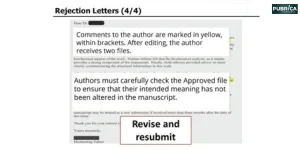
Publication Support Service
- Editing & Translation
-
Editing and Translation Services
- Sample Work

Editing and Translation Service
-
- Research Services
- Sample Work
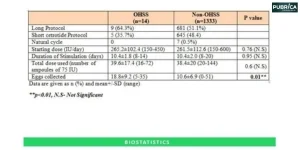
Research Services
- Physician Writing
- Sample Work
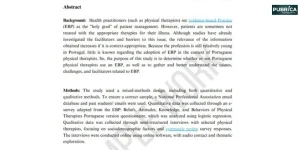
Physician Writing Service
- Statistical Analyses
- Sample Work
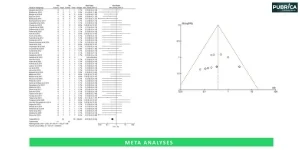
Statistical Analyses
- Data Collection
- AI and ML Services
- Sample Work
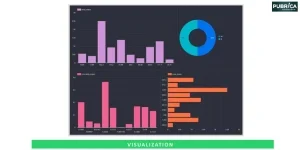
AI and ML Services
- Medical Writing
- Sample Work
Medical Writing
- Research Impact
- Sample Work
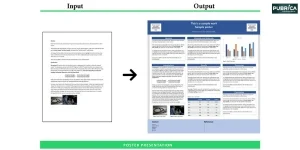
Research Impact
- Medical & Scientific Communication
- Sample Work
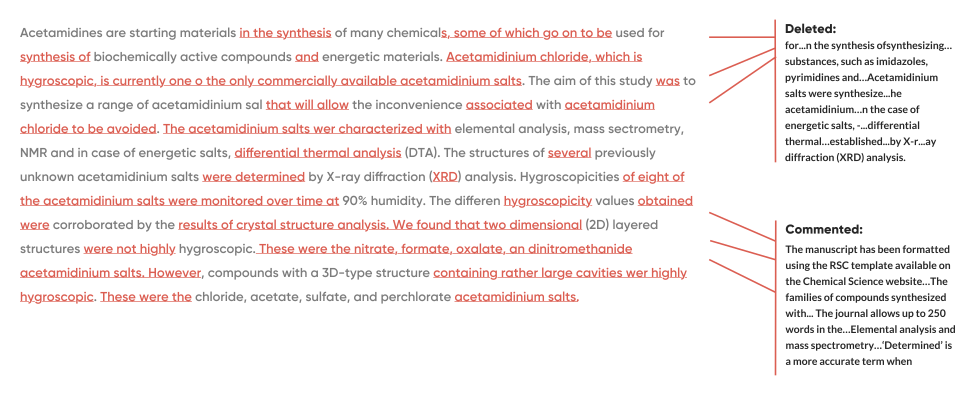
Medical & Scientific Communication
- Medico Legal Services
- Educational Content
- Academic Editorial Services
- Sample Work
Academic Editorial Services
- Educational Editorial Service
-
Education Editorial Services
- Sample Work
Education Editorial Services
-
- Industries
- Subjects
- About Us
- Academy
- Insights
- Contact Us
Targeted literature searches are a fundamental part of writing clinical manuscripts that will meet the standards of high-quality journals and contribute meaningfully to evidence-based practice. When physicians write clinical manuscripts, utilizing a targeted literature search can identify high-quality, relevant, and current evidence. While a general literature review is useful, a targeted literature search is specific to the clinical question and should be completed through frameworks established, such as PICO (Population, Intervention, Comparator, Outcome) and PRISMA [1].
How to Select the Right Study Design for Your Original Research Article
- Home
- Academy
- Physician Writing
- How to Select the Right Study Design for Your Original Research Article
Original Research Article
Interesting topics
How to Select the Right Study Design for Your Original Research Article
1. Understanding Study Designs: An Overview
2. Key Criteria to Consider When Choosing a Study Design
3. Step-by-Step Guide to Selecting a Study Design
4. Match the Design with Objectives
5. Strengths and Limitations of Common Study Designs
6. Ethical and Regulatory Considerations
7. Reporting and Publishing Implications
8. Conclusion
9. References
Selecting an appropriate study design is foundational to the success of any original research article. The study design dictates the methodological framework, governs the type of data collected, and significantly influences the reliability, validity, and reproducibility of the results.
This article outlines a framework for selecting the most appropriate design based on study objectives, available resources, population characteristics, and ethical feasibility.
1. Understanding Study Designs: An Overview
Study designs are broadly categorized into observational and experimental studies. Each category includes specific subtypes suited for different types of research questions.
1.1. Classification of Study Designs
| Category | Type | Purpose | Example |
|---|---|---|---|
| Observational | Cross-sectional | Prevalence estimation | Knowledge, Attitude and Practice Toward COVID-19 Among the Public in the Kingdom of Saudi Arabia: A Cross-Sectional Study [1] |
| Case-control | Identify risk factors retrospectively | Vitamin D and Fracture Risk in Early Childhood: A Case-Control Study [2] | |
| Cohort (Prospective/ Retrospective) | Study exposure-outcome over time | A Prospective Cohort Study on Post-COVID Syndrome from a Tertiary Care Centre in Sri Lanka [3] | |
| Experimental | Randomized Controlled Trial (RCT) | Evaluate intervention efficacy | Comparative Effectiveness of Two-Drug Therapy Versus Monotherapy as Initial Regimen in Hypertension [4] |
| Quasi-experimental | Evaluate the intervention without randomization | Effectiveness of Life Skills Health Education Program: A Quasi-Experimental Study Among School Students of South India [5] |
2. Key Criteria to Consider When Choosing a Study Design
When determining the optimal study design, consider the following parameters:
2.1. Nature of Research Question
- Descriptive: Focus on “what is happening?” – Cross-sectional design.
- Analytical: Exploring associations or cause-effect – Cohort or case-control.
- Interventional: Testing treatment or exposure – RCT or quasi-experimental.
2.2. Time Frame
- Single point in time: Cross-sectional.
- Over time: Cohort or experimental.
2.3. Availability of Resources
- Budgeting, personnel, equipment, and timeline will impact the feasibility of the design.
2.3. Availability of Resources
- Budgeting, personnel, equipment, and timeline will impact the feasibility of the design.
2.4. Ethical Considerations
- Some designs (e.g., RCTs) require ethical clearance due to human subject interventions.
3. Step-by-Step Guide to Selecting a Study Design
3.1. Define the Research Objectives
Clarity in objectives helps align the research question with the right methodology.
Example:
Objective: To identify the association between fast food consumption and obesity in adolescents.
Suggested design: Case-control or cross-sectional, depending on time and
3.2. Formulate the Hypothesis
State a testable hypothesis. Designs differ for testing associations (observational) versus causality (experimental).
3.3. Assess Feasibility
Check:
- Sample accessibility
- Data collection tools
- Funding and timeline
- Ethical clearance
4. Match the Design with Objectives
Use the matrix below to match your goals with designs:
Research Goals vs Study Design
| Goal | Recommended Design |
| Measure disease prevalence | Cross-sectional |
| Examine risk factors retrospectively | Case-control |
| Track development over time | Prospective cohort |
| Assess the effectiveness of the intervention | Randomized Controlled Trial |
| Evaluate program impact | Quasi-experimental |
5. Strengths and Limitations of Common Study Designs
| Design | Strengths | Limitations |
| Cross-sectional | Quick, cost-effective, good for prevalence | Cannot assess causality, temporal ambiguity |
| Case-control | Efficient for rare diseases, requires a small sample size | Prone to recall and selection bias |
| Cohort | Strong temporal linkage can assess multiple outcomes | Costly, time-consuming, and loss to follow-up |
| RCT | Highest internal validity, minimizes confounding | Expensive, ethical/logistical constraints |
| Quasi-experimental | Practical, suited for real-world interventions | Lacks randomization, potential bias |
6. Ethical and Regulatory Considerations
Choosing a design is both a methodological and an ethical decision
- Observational studies may involve secondary data, reduce ethical load, but raise data privacy concerns
- RCTs have ethical committee approvals and informed consent
Researchers must comply with the Declaration of Helsinki as well as local guidance like ICMR (India) or NIH (US), depending on their jurisdiction
7. Reporting and Publishing Implications
Connect with us to explore how we can support you in maintaining academic integrity and enhancing the visibility of your research across the world!
Conclusion
Choosing an appropriate study design is an important component of the research planning process and can significantly influence data quality, statistical analysis, and credibility of findings. As researchers, we should select methodological approaches based on the objectives of a study by using rigorous frameworks of research design while upholding ethical and reporting standards. Using an inappropriate design can compromise the scientific contribution made by a research article.
Need expert guidance on choosing the best study design for your research? Connect with Pubrica Research Experts for protocol development, methodology drafting, and statistical planning.
References
- Al-Hanawi, M. K., Angawi, K., Alshareef, N., Qattan, A. M. N., Helmy, H. Z., Abudawood, Y., Alqurashi, M., Kattan, W. M., Kadasah, N. A., Chirwa, G. C., & Alsharqi, O. (2020). Knowledge, attitude and practice toward COVID-19 among the public in the kingdom of Saudi Arabia: A cross-sectional study. Frontiers in Public Health, 8, 217. https://doi.org/10.3389/fpubh.2020.00217
- Anderson, L. N., Heong, S. W., Chen, Y., Thorpe, K. E., Adeli, K., Howard, A., Sochett, E., Birken, C. S., Parkin, P. C., Maguire, J. L., Abdullah, K., Anderson, L. N., Birken, C. S., Borkhoff, C. M., Carsley, S., Chen, Y., Katz-Lavigne, M., Kavikondala, K., Kowal, C., … on behalf of the TARGet Kids Collaboration. (2017). Vitamin D and fracture risk in early childhood: A case-control study. American Journal of Epidemiology, 185(12), 1255–1262. https://doi.org/10.1093/aje/kww204
- Jayasekera, M. M. P. T., De Silva, N. L., Edirisinghe, E. M. D. T., Samarawickrama, T., Sirimanna, S. W. D. R. C., Govindapala, B. G. D. S., Senanayake, G., Wickramaratne, D. L. N., Hettigoda, K., Gunawaradana, U. D. I. B., Wijayananda, K. D. P. B., & Wijesinghe, R. A. N. K. (2023). A prospective cohort study on post COVID syndrome from a tertiary care centre in Sri Lanka. Scientific Reports, 13(1), 15569. https://doi.org/10.1038/s41598-023-42350-4
- Mancia, G., Marinier, K., Macouillard, P., De Champvallins, M., Deltour, N., & Poulter, N. (2018). Comparative effectiveness of two-drug therapy versus monotherapy as initial regimen in hypertension: A propensity-score matched cohort study in a large primary care database. Journal of Hypertension, 36(Supplement 1), e136. https://doi.org/10.1097/01.hjh.0000539353.53248.23
- Tiwari, P., Naik, P. R., Nirgude, A. S., & Datta, A. (2020). Effectiveness of life skills health education program: A quasi-experimental study among school students of South India. Journal of Education and Health Promotion, 9(1), 336. https://doi.org/10.4103/jehp.jehp_564_20
- EQUATOR Network. (2023). Enhancing the QUAlity and Transparency Of health Research. https://www.equator-network.org