




















Plan a literature review by logically structuring the theme, summarizing studies, identifying gaps, synthesizing, and linking them with the objectives of the study.
Apply clear inclusion criteria, database search, keyword search, citation search, tools, thematic group, and reference management software for efficient organization of studies.
Analyze studies by critically examining the methodology, quality, strengths, weaknesses, and results, and synthesize them by identifying patterns, themes, agreements, contradictions, and gaps.
Professional assistance helps to improve literature review writing by ensuring thoroughness in the search process, selection of literature, critical evaluation, thematic synthesis, identification of gaps, structuring, and academic integrity.
Common blunders to avoid in literature review writing involve a lack of focus, disorganization, outdated literature, insufficient critical evaluation, overuse of summarizing, inadequate referencing, and ineffective linkage to research goals.
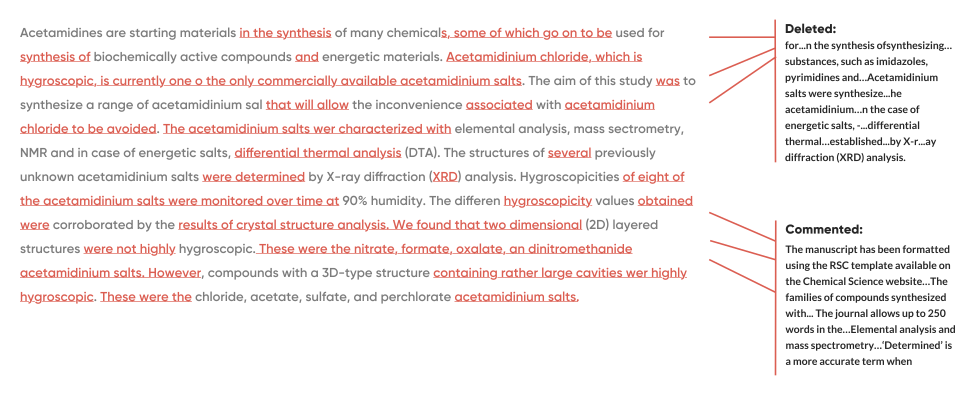
Expert editing services enhance literature reviews through improvements in clarity by refining language, logical flow, transitions, reduction of redundancy, standardization of terms, structure, coherence, readability, and academic standards.