Therapeutic Expertise
Niche areas
Clinical research in therapeutics
Outsource or salvage a faltering trial
We offer comprehensive therapeutic expertise across a wide variety of indications. Pubrica Scientific Writing & Publication adapts clinical trial services for specific requirements; we provide complete program development and delivery services for any phase of the trial that you either want to outsource or salvage a faltering trial. Let our experts have their say through new concepts and innovative methods. Our team comprises clinical research associates, project managers, medical supervisors, data management experts, biostatisticians, and medical writers—available at every phase—including trial planning, design, protocol development, safety narratives, in-house data summaries, safety surveillance plan, Case Report Form (CRF), site selection, data analysis, and regulatory submissions. Hence, design cost-effective clinical research trials that deliver data you need to support your novel therapies.
Therapeutic area expertise is particularly important as pharmaceutical and nutraceutical companies develop new classes of compounds that target complex and difficult diseases. Our experts have a say in therapeutic clinical trials; Pubrica Scientific Writing & Publishing has completed holistic projects in the area of CRO therapeutics for pharmaceutical, and biotechnology firms. Our work in therapeutics spans across multiple specializations.
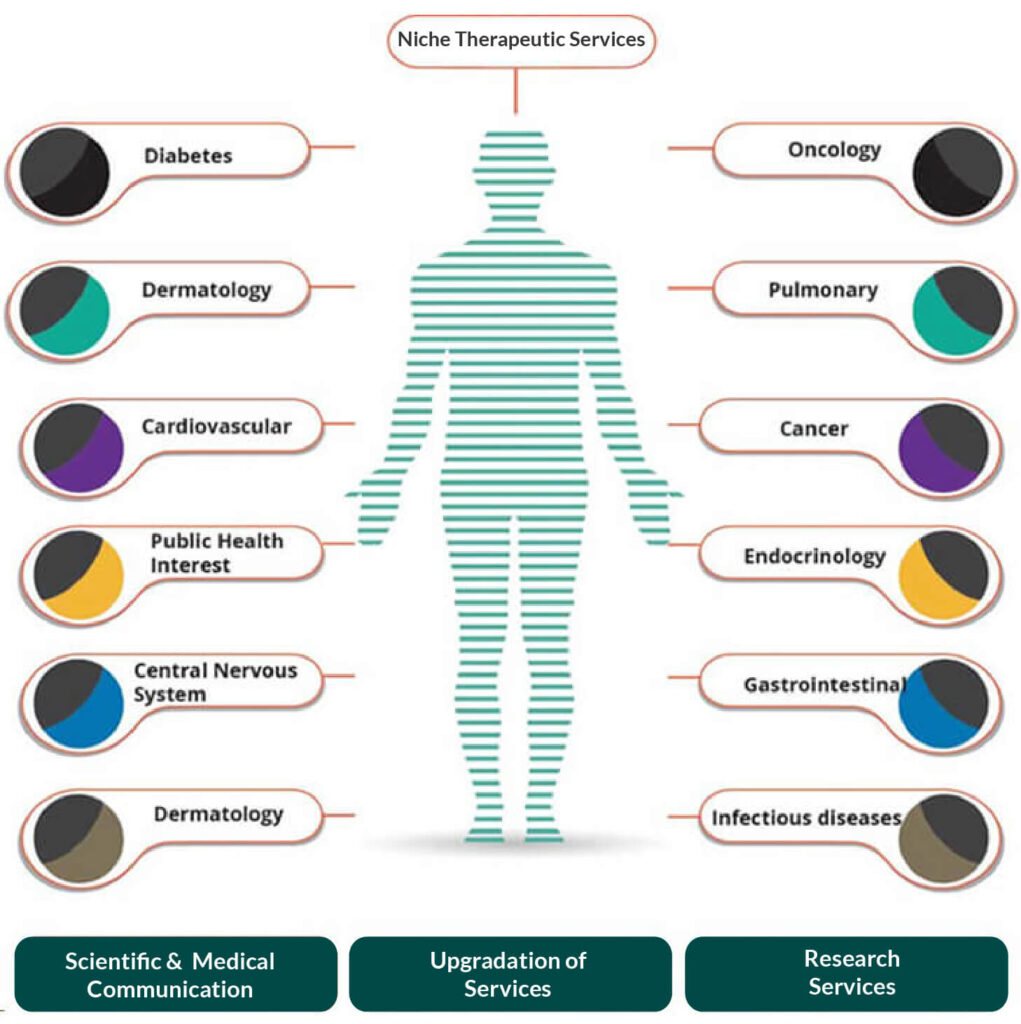
Top areas of therapeutic focus include but not limited to:
- Cardiovascular
- Psychiatry
- Pediatric
- Rheumatology
- Gastroenterology
- Nutritional & metabolic diseases
- Gynecology and obstetrics
Top Areas of Research
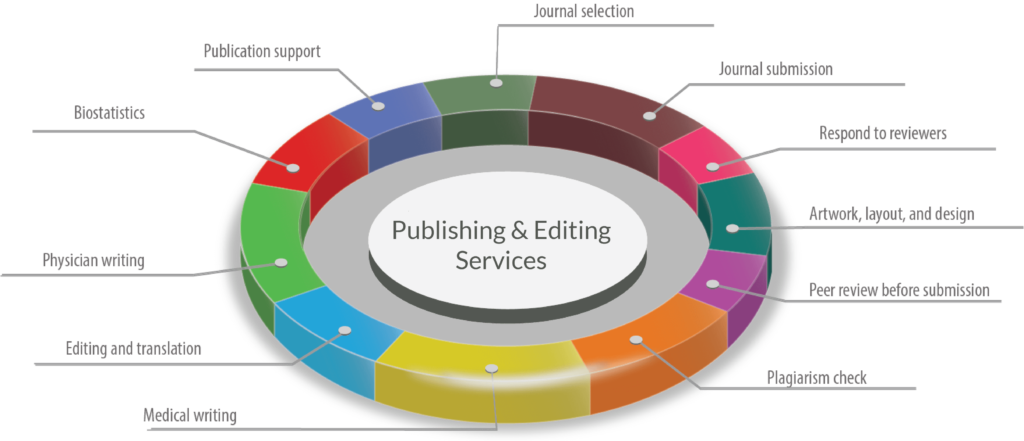
How therapeutic area knowledge changes the documents
Each therapeutic area brings its own endpoints, assessment tools, regulatory guidance and safety concerns, and these shape protocols, statistical analysis plans and reports. Some examples from the areas listed above:
| Area | Typical considerations |
|---|---|
| Cardiovascular | Composite endpoints such as major adverse cardiovascular events, event adjudication committees, long follow-up and event-driven sample sizes. |
| Psychiatry | Rater-administered scales such as HAM-D, MADRS or PANSS, rater training and reliability, and high placebo response rates. |
| Paediatrics | ICH E11 guidance, age-appropriate formulations and dosing, parental consent with child assent, and paediatric investigation plans or study plans. |
| Rheumatology | Response criteria such as ACR20/50/70 and DAS28, imaging endpoints, and long-term safety of immunomodulating therapies. |
| Gastroenterology | Endoscopic and clinical indices such as the Mayo score in ulcerative colitis, and central reading of endoscopy. |
| Nutritional and metabolic | Biomarker endpoints such as HbA1c, body weight and lipid profiles, and dietary adherence assessment. |
| Obstetrics and gynaecology | Maternal and neonatal outcomes, pregnancy exposure follow-up, and additional protections for pregnant participants. |
Reviewing a trial that is falling behind
The page mentions salvaging a faltering trial. When a study is behind schedule or producing poor-quality data, the first step is usually a structured review of where the problem lies. Common causes include eligibility criteria that are too narrow for the real patient population, site selection that does not match where eligible patients are treated, burdensome visit schedules, and data entry backlogs that hide quality problems until late. Depending on the findings, remedies may include a protocol amendment, additional or replacement sites, revised recruitment materials, retraining, or a revised monitoring plan. Any change to the protocol or analysis needs to be documented and, where required, approved by ethics committees and regulators before it is implemented.
A review of this kind usually draws on enrolment data by site, screen-failure reasons, query and deviation logs, and conversations with site staff about practical barriers. The findings are summarised with recommendations ranked by expected effect and by how quickly they can be implemented.
Writing and analysis that carry through the programme
Therapeutic knowledge is applied consistently across the documents a programme produces, from the protocol and statistical analysis plan to safety narratives, the clinical study report and publications. The team described above includes biostatisticians and medical writers, and related services are described under biostatistics and statistical programming and regulatory writing. Subject backgrounds of the wider editorial team are summarised on the medicine subject area page.
Starting a conversation about a specific indication
Areas beyond those listed may also be supported. When getting in touch, it helps to describe the indication, the phase of development, the number of sites and countries involved, and which parts of the programme you want to outsource or review. With that information the clinical team can say which specialists would be involved. Use the contact page to begin.