Home/About Us
About Us
We work on research the way a reviewer will
Most of what stops a paper, a dossier or a submission has nothing to do with language. It is a reporting guideline the work did not follow, a claim the data does not carry, or a standard cited in a version that was superseded two years ago.
Since 2009 we have worked on research the way the person assessing it will — checking the things they check, before they check them. That happens in one place rather than through a network of freelancers: salaried editors, writers, statisticians and project coordinators sitting in the same room, with the subject experts they call on named to you before your project starts. Pubrica is a trading name of Guires®, registered in England, Wales and India, with teams in India and the United States.
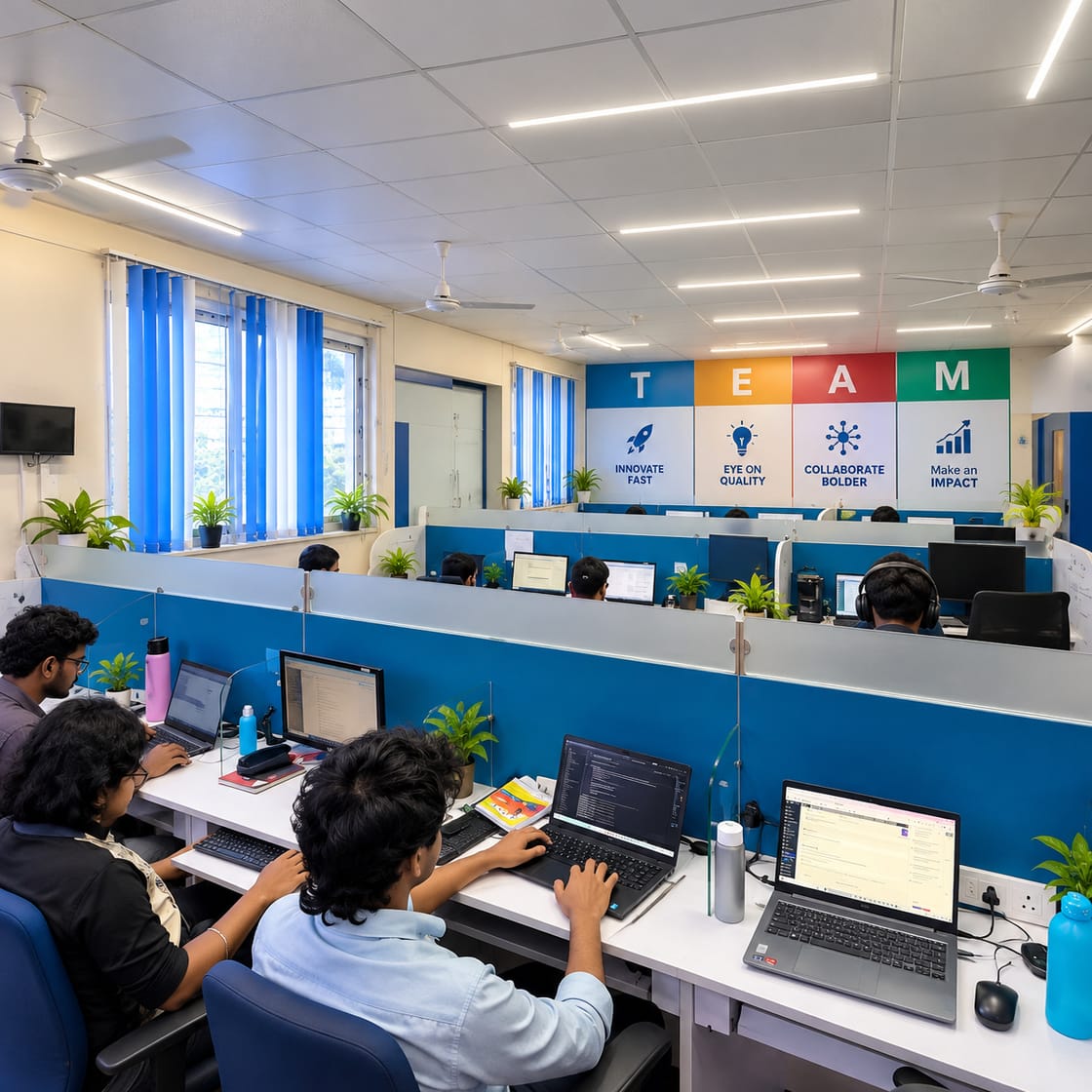
Why we exist
Pubrica’s vision and mission, in terms that say something.
These two say what Pubrica actually does and what it is actually trying to change, in terms specific enough to be held to.
Vision
That research is judged on what it found, not on how well it was packaged. A great deal of good science is currently held back by a reporting guideline nobody applied, a claim phrased more strongly than the data allows, or a standard cited two versions out of date — and none of that is about the quality of the research. We want the gap between doing good work and having it accepted to be as small as the work deserves.
Mission
To put a subject expert between the researcher and the reviewer. Every manuscript, dossier and submission we handle is read by somebody who works in that field, against the standard its destination applies, before the person who can reject it sees it — and we tell the client what we found, including when the honest answer is that they need less than they asked for.
Our story
Why Pubrica was started, in 2009.
The company was built around one observation, and it has not changed since.

A great deal of good research is held back by things that are not about the research. A reporting guideline nobody applied. A conclusion phrased more strongly than the analysis supports. A standard cited two versions out of date. A journal chosen because it sounded impressive rather than because it publishes work like yours.
None of those are failures of science, and all of them are fixable before anybody with the power to reject the work ever sees it. That is the idea Pubrica was founded on in 2009: put somebody who works in the field between the researcher and the reviewer, and have them check the things the reviewer is going to check.
Seventeen years later the catalogue has grown from editing into regulatory writing, market access, medical communications and the technical documentation a notified body assesses — but the rule underneath has not moved. Work is assigned by subject, the standard applied is the one currently in force, and when the honest answer is that a client needs less than they asked for, that is what we tell them.
Who we are
Eight ways into Pubrica.
The people, the subjects they work in, the partnerships behind the work and how to reach us.
Pubrica’s core values
Four commitments that have not changed since 2009. Each one costs us something — time, revenue, or an occasional client — which is the only reason to believe any of them.
Work is assigned by subject, not by availability. A cardiology trial goes to a subject matter expert who has read the reporting guideline for it and can tell you when an effect size looks implausible against the published literature.
What it costs us: it is the slowest part of our scheduling, and we turn work away when nobody on the panel is a genuine match rather than assigning the nearest person.
Unpublished data, patient-level datasets and pre-submission documents are handled under signed confidentiality with access limited to the assigned team. No third-party tools, no training on your material, no exceptions requested after the fact.
What it costs us: a slower workflow than a supplier who routes everything through whichever platform is cheapest that quarter.
Every figure on this site is one a client could check. Founded 2009 makes seventeen years, so we say fifteen-plus rather than rounding up, and where a claim cannot be evidenced it does not go on the page at all, rather than going on with a qualifier.
What it costs us: a bigger number would read better than the one we print. Ours is the one we can evidence.
When a case will not carry a paper, when an evidence network does not connect, when a comparison cannot honestly be made, when a proofread is enough and a substantive edit is not — said before quoting rather than after invoicing.
What it costs us: revenue, regularly. It is also why most of our work arrives by referral, so we have stopped treating it as a cost.
Why Pubrica
Why Choose Pubrica?
Pubrica stands out as a leader in scientific research support and communication, offering unparalleled expertise and quality. Here’s why you should choose us:
Leadership
Pubrica’s leadership team.
The four people beside the founder, and what each is accountable for here. Editorial assignment sits with the subject panel rather than with this group, which is deliberate.

Suresh Kumar
Chief Operating Officer
Delivery across the editorial, statistical and regulatory teams: capacity, scheduling, turnaround, and the quality process that ISO 9001:2015 certifies.

Vinoth Kumar Padamanaban
Chief Growth Officer, Research Solutions
The research side — authors, clinicians, universities and institutions. Editing, statistics, evidence synthesis and publication support.

Rajesh Kumar
Chief Growth Officer, CRO
Industry clients: pharma, biotech, device manufacturers and contract research organisations. Regulatory writing, medical communications and market access.

Manish Anbazhagan
Director, Marketing Strategy
How the work is described publicly — which, on a site that publishes its prices and states its boundaries, is closer to an editorial role than a promotional one.
Scientific team
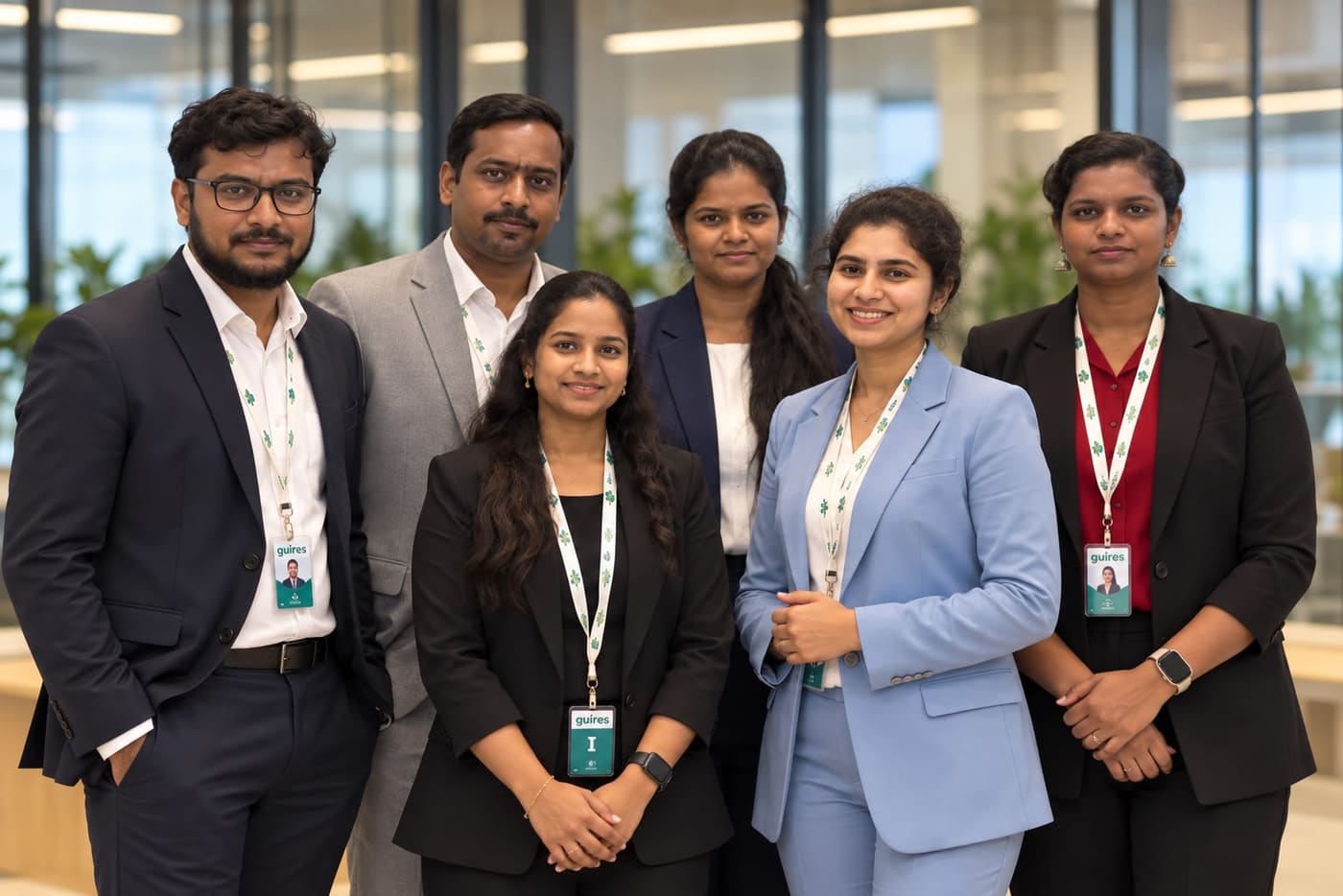
Pubrica’s scientific team: who leads a project, and who does the work.
Every project has a named account manager who owns it end to end, and a subject expert — or several — doing the work underneath.
What we do
Fifteen research and publication service families.
The catalogue is the same wherever you sit. What changes is the standard you answer to and who reads the finished work.
Who we work with
Industries Served by Pubrica
Tailored support and specialized services across key operational sectors.
How we work
Our Working Process: nobody quotes on your work before reading it.
Four steps from first email to published paper, with a written assessment before any money is discussed. You can stop after the second step at no cost, and a reasonable number of people do.
What the work is held to
Our quality standards: four references, not a wall of acronyms.
A provider does not comply with a regulator. Its work is built to satisfy what the regulator requires of the sponsor, and the difference matters to anyone who has been audited.
Quality management (ISO 9001:2015 certified)
How work is scoped, run, recorded and released, and what happens when something has to be corrected.Certificate no. H3CR9TCU20251212INDQM10N
COPE and ICMJE (publication ethics and authorship)
The four authorship criteria, the declarations journals require, and the rule that professional editing support is acknowledged rather than credited as authorship.
The reporting guidelines (CONSORT, PRISMA, STROBE and the rest)
Whichever your study design requires — CONSORT 2025 for trials, PRISMA 2020 for reviews, STROBE for observational work, ARRIVE 2.0 for animal studies, TRIPOD+AI for prediction models.
ICH and regulatory guidance (for work going to a regulator)
ICH E6(R3) for good clinical practice, E3 for study reports, M11 for protocols, and the MDR and IVDR annexes for device files — each cited in the version in force at the time of writing.
About Pubrica
Pubrica FAQs: five questions.
If yours is not here, ask an expert — no quote required.
Pubrica is a trading name of Guires®, a company registered in England, Wales and India, with teams in India and the United States.
Numbers for both are on the contact page, and support runs every day of the year.
Since 2009: more than sixteen years.
No. Under COPE and ICMJE guidance, professional editing and writing support is acknowledged rather than credited as authorship, and scientific judgement stays with the named authors.
We supply the acknowledgement wording and a certificate naming the level of work and the standard applied. Where a request would cross that line, we say so.
Not to draft or edit your work. Where a client brings us a draft produced with AI we will edit it and write the disclosure their journal requires rather than conceal it.
Your material is not used to train anything and is not passed to third-party tools.
Guarantee acceptance or an impact factor. Write a thesis argument for a student. Act as the reviewer on material we prepared. Suppress an unfavourable result in a publication plan. Justify away a regulatory obligation that applies.
Each of those is stated on the relevant service page rather than left for you to discover partway through an engagement.
Send us something. The first step is free and happens on your own document.
A sample edit, a guideline check or a feasibility assessment on your actual material — which tells you more than anything on this page.