
- Services
- Discovery & Intelligence Services
- Publication Support Services
- Sample Work
Publication Support Service
- Editing & Translation
-
Editing and Translation Services
- Sample Work

Editing and Translation Service
-
- Research Services
- Sample Work
Research Services
- Physician Writing
- Sample Work
Physician Writing Service
- Statistical Analyses
- Sample Work
Statistical Analyses
- Data Collection
- AI and ML Services
- Sample Work
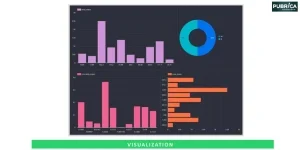
AI and ML Services
- Medical Writing
- Sample Work
Medical Writing
- Research Impact
- Sample Work
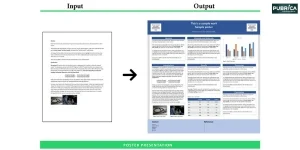
Research Impact
- Medical & Scientific Communication
- Sample Work
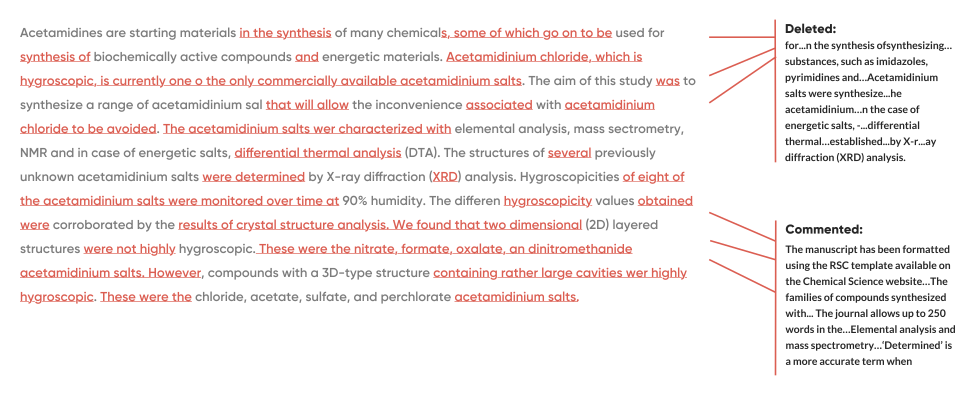
Medical & Scientific Communication
- Medico Legal Services
- Educational Content
- Academic Editorial Services
- Sample Work
Academic Editorial Services
- Educational Editorial Service
-
Education Editorial Services
- Sample Work
Education Editorial Services
-
- Industries
- Subjects
- About Us
- Academy
- Insights
- Contact Us
Proofreading in Academic Writing: Importance, Process, and Best Practices
- Home
- Academy
- Proofreading
- Proofreading in Academic Writing: Importance, Process, and Best Practices
High-Impact Journals
Interesting topics
Proofreading in Academic Writing: Importance, Process, and Best Practices
The proofreading stage is considered one of the most crucial phases of proofreading in academic writing. For any student working on an essay, dissertation, journal article, or research proposal, proofreading is necessary for ensuring the quality of the paper in terms of accuracy and professionalism. Most papers of high academic calibre receive poor grades owing to minor issues such as grammatical errors, inconsistent formatting, vague statements, and inaccurate referencing.[1]
Unlike editing, which might include restructuring or rewording of sections, proofreading entails the correction of mistakes without changing the original content. It is a stage through which the author goes after completing all major writing tasks. The present article describes why proofreading is crucial in academic writing, gives a comprehensive guide to proofreading, and provides guidelines for good proofreading, highlighting the importance of proofreading and editing.[2]
1. Why Proofreading Matters in Academic Writing
Academic writing is evaluated not only based on ideas but also on the clarity and presentation of those ideas. Proofreading in academic writing ensures clarity and allows the marker to focus on the main point without being distracted by any errors.[3]
Importance of Proofreading
- Spell checking
- Punctuation correction
- Grammar corrections
- Fixing unclear sentences
- Consistency with format and referencesPrevents unintentional plagiarism due to incorrect citations
- Elevates professionalism

This reflects the importance of proofreading in academic writing and shows how responsible the student is in presenting their work.
2. The Academic Proofreading Process
Effective proofreading should be systematic rather than rushed. Reading once quickly is rarely enough to catch all errors. Following academic writing proofreading tips can significantly improve accuracy.[4]
Recommended Step-by-Step Process
Action | Purpose |
Take a short break after writing | View the text with fresh eyes |
Read line by line slowly | Catch grammar and spelling errors |
Check structure and headings | Ensure logical organisation |
Review references | Confirm citation accuracy |
Check formatting | Meet university guidelines |
Final read aloud | Improve flow and clarity |
Students often discover more errors when proofreading in multiple rounds, each focused on one issue.
3. Common Errors Found During Proofreading
Many scholarly writings suffer from certain types of errors that could bring down grades if they are not fixed.
Common Proofreading Errors
- Typo and spelling mistakes
- Error in verb agreement
- Omission of articles or poor sentence construction
- Wordiness or repetition of ideas
- Convoluted sentence structures
- Font and spacing issues
- Page numbers of inconsistencies
- Lack of in-text citation
- Mismatch between references and citations
- Miscounting figures and tables
These issues are also commonly identified during transcription proofreading, where accuracy and clarity are equally critical.
4. Best Practices for Effective Proofreading
Students can greatly enhance their outcomes if they adopt effective proofreading techniques based on proven academic writing proofreading tips.

Proofreading Checklist
Area | Questions to Ask |
Grammar | Are sentence structures correct? |
Clarity | Is every paragraph easy to understand? |
Logic | Do ideas flow smoothly? |
Referencing | Are all sources cited correctly? |
Formatting | Does it follow university rules? |
Good proofreading is less about speed and more about careful attention.
5. Proofreading Tools and Human Support
However, although digital aids are useful for spotting errors, they must not be considered substitutes for the human eye, reinforcing the importance of proofreading and editing.[5]
- Spell and grammar checkers
- Citation managers
- Text-to-speech tools
- Peer review networks
- Literature review services
- Proofreading assistance (when allowed by the institution’s policy)
The reason is that automated tools may overlook language, tone, and context errors peculiar to a particular field of study.
Connect with us to explore how we can support you in maintaining academic integrity and enhancing the visibility of your research across the world!
Conclusion
Proofreading is essential in the academic world when it comes to ensuring the quality of the work of a student. Good research can be ruined by simple grammatical mistakes or even formatting issues. This is why it is important for the student to follow some of the best proofreading practices, emphasising the importance of proofreading in academic writing. It might make the difference in the highly competitive field of academics.
Proofreading in Academic Writing: Importance, Process, and Best Practices. Our Pubrica consultants are here to guide you. [Get Expert Publishing Support] or [Schedule a Free Consultation]
References
- Shafto M. A. (2015). Proofreading in Young and Older Adults: The Effect of Error Category and Comprehension Difficulty. International journal of environmental research and public health, 12(11), 14445–14460. https://doi.org/10.3390/ijerph121114
- Hyatt, J. K., Bienenstock, E. J., & Tilan, J. U. (2017). A student guide to proofreading and writing in science. Advances in physiology education, 41(3), 324–331. https://doi.org/10.1152/advan.00004
- (2023, February 11). Why proofreading is important. Proofed. https://proofed.co.uk/writing-tips/why-proofreading-is-important/
- Bayar, O., & Chemmanur, T. J. (2021). A model of the editorial process in academic journals. Research Policy, 50(9), 104339. https://doi.org/10.1016/j.respol.2021
- Bai, Y., Kosonocky, C. W., & Wang, J. Z. (2024). How our authors are using AI tools in manuscript writing. Patterns (New York, N.Y.), 5(10), 101075. https://doi.org/10.1016/j.patter.2024