

Video Abstracts: The Complete Guide to Enhancing Research Impact
High-Impact Journals
Interesting topics
Video Abstracts: The Complete Guide to Enhancing Research Impact
Publishing in the field of science has moved far from the conventional form of texts alone, and multimedia is one of the essential tools used to convey the findings of scientific work. Among all these developments, the video abstract is an example that has proven to be one of the most useful ways of communicating scientific content. The video abstract is a summary of the research conducted on a particular topic, where the goals, methods, findings, and importance of a study can be conveyed effectively, enhancing research communication, research dissemination, and research visibility in research publishing. [1]
1. What is a Video Abstract?
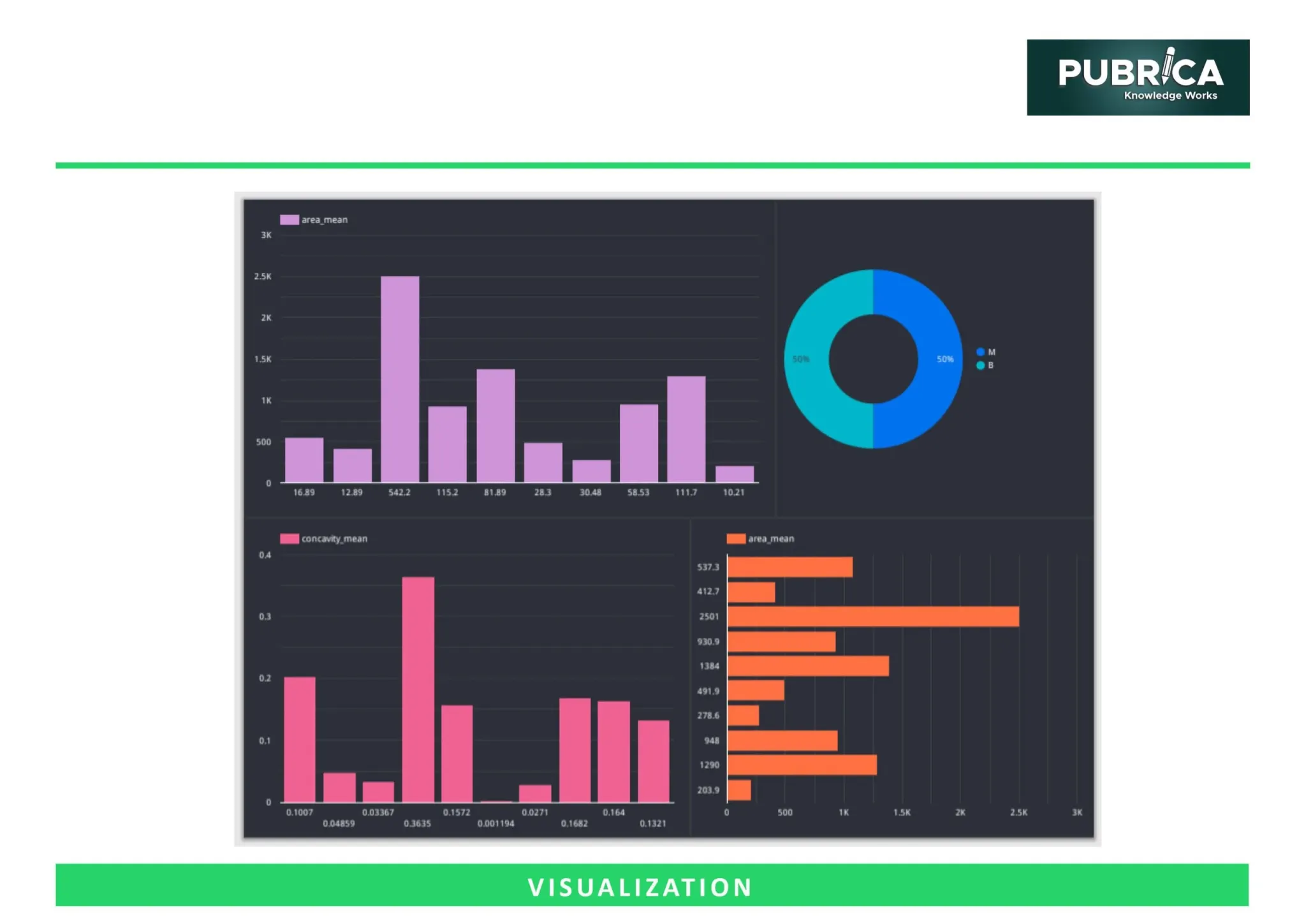
A video abstract is a brief audiovisual summary of the research paper, which serves as a complement to the research paper in academic publishing and scholarly publishing. The duration of the video abstract ranges from 2 to 5 minutes, which explains the research topic through narration, illustrations, animations, figures, and texts. A video abstract is different from a promotional video since it focuses on presenting the research topic accurately and engagingly. This video abstract will be beneficial for the researchers, healthcare research professionals, students, policy makers, and even the general population, who would like to understand the purpose of the research paper. As one of the most effective scientific videos, it supports wider dissemination of scientific knowledge. [2]
2. Why Video Abstracts Matter in Research Publishing
Video abstracts are part and parcel of contemporary scientific communication because video abstracts make the research more visible and accessible to other people, thereby improving research visibility. Through the use of visual abstracts, it becomes easier for the author to relay the results of the research through visual means. Research has indicated that papers that incorporate multimedia information attract more interest on journal websites, institutional repositories, and social media sites, demonstrating the importance of multimedia publishing and digital publishing. Video abstracts aid in knowledge translation by making it easier for clinicians, educators, and policymakers to gain access to the findings of the scientific literature. In addition, video abstracts make scientific information more accessible due to the use of subtitles and visualization, supporting effective research communication. [3]
3. How to Create an Effective Video Abstract
The first step in creating an effective video abstract involves highlighting the key messages of the research article and constructing the narration around them. Researchers must introduce the research problem, provide information about the objectives of the study, highlight the methods used, reveal the most important results of the study, and describe its implications. Effective use of visuals like graphics, illustrations, animations, and figures must be incorporated for supporting the narration rather than overloading the viewers with too much text. Keeping the video short but informative in two to five minutes is necessary to ensure that viewers stay interested and get the key message, making it suitable for journal publication and broader research dissemination. [4]
4. Ensuring Quality and Scientific Integrity
Although there are many strengths associated with creating good quality video abstracts, researchers may face many difficulties while doing so, which include lack of technical skills, lack of time, and lack of professional software tools to edit videos. It is essential to make sure that all visuals truly reflect the results presented in the paper without any distortion or exaggeration. It is just as essential to ensure copyright requirements are met for images, animations, and music to maintain the standards expected in scholarly publishing and academic publishing.
5. The Evolving Role of Video Abstracts
The future of video abstracts is tied up with developments in the field of digital publishing and AI in scientific publishing. Digital technologies that will be developed by means of artificial intelligence including voice narrations, automatic caption generation, interactive visualizations, and multilingual translation will lead to the enhanced quality of research dissemination. With the growth in the number of multimedia publishing practices in various journals, the video abstract will be an indispensable part of scientific communication and modern research publishing. [5]
Connect with us to explore how we can support you in maintaining academic integrity and enhancing the visibility of your research across the world!
Conclusion
Video abstracts have revolutionized the method of communicating research outcomes, providing an engaging means to make science more easily understood and digestible. Through this medium, scientists can ensure that their research becomes more visible and helps in the dissemination of knowledge while creating maximum engagement among different people from the academic, healthcare research, political, and general communities. Consequently, video abstracts strengthen research communication, improve research visibility, facilitate knowledge translation, support journal publication, and contribute significantly to scientific communication and scholarly publishing.
Frequently Asked Questions (FAQs)
A video abstract is a short audiovisual summary of a research article that highlights the study’s objectives, methodology, key findings, and conclusions in an engaging and easy-to-understand format.
Video abstracts improve research visibility, increase reader engagement, simplify complex scientific information, and help researchers reach broader audiences through journal websites and social media platforms.
Most journals recommend a duration of 2–5 minutes, allowing authors to present the essential aspects of their research without overwhelming viewers.
A high-quality video abstract should include:
- Research background
- Study objectives
- Methodology
- Key findings
- Main conclusions
- Practical implications
- Clear narration with supporting visuals and subtitles
Common challenges include limited technical expertise, time constraints, access to professional editing software, maintaining scientific accuracy, and ensuring copyright compliance for multimedia content.
AI technologies such as automated voice narration, intelligent captioning, multilingual translation, and interactive visualizations are expected to improve the quality, accessibility, and global reach of video abstracts in scientific publishing.
References
- Nachman, S., Ortiz-Prado, E., & Tucker, J. D. (2024). Video Abstracts in Research. Journal of medical Internet research, 26, e64221. https://doi.org/10.2196/64221
- Publishing: Make an impact with a video abstract. (n.d.). Wiley.com. Retrieved July 18, 2026, from https://www.wiley.com/en-ae/publish/publishing-insights/publishing–make-an-impact-with-a-video-abstract/
- Bonnevie, T., Repel, A., Gravier, F. E., Ladner, J., Sibert, L., Muir, J. F., Cuvelier, A., & Fischer, M. O. (2023). Video abstracts are associated with an increase in research reports citations, views and social attention: a cross-sectional study. Scientometrics, 128(5), 3001–3015. https://doi.org/10.1007/s11192-023-04675-9
- Gupta, R., Joshi, M., & Gupta, L. (2021). An integrated guide for designing video abstracts using freeware and their emerging role in academic research advancement. Journal of Korean Medical Science, 36(9), e66. https://doi.org/10.3346/jkms.2021.36.e66
- Gupta, R., Joshi, M., & Gupta, L. (2021). An Integrated Guide for Designing Video Abstracts Using Freeware and Their Emerging Role in Academic Research Advancement. Journal of Korean medical science, 36(9), e66. https://doi.org/10.3346/jkms.2021.36.e66