
- Services
- Discovery & Intelligence Services
- Publication Support Services
- Sample Work
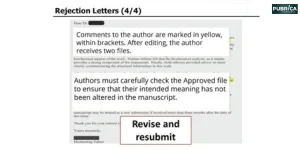
Publication Support Service
- Editing & Translation
-
Editing and Translation Services
- Sample Work

Editing and Translation Service
-
- Research Services
- Sample Work
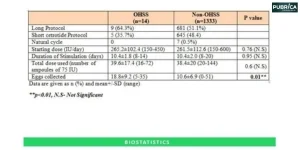
Research Services
- Physician Writing
- Sample Work
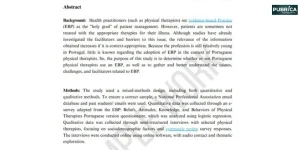
Physician Writing Service
- Statistical Analyses
- Sample Work
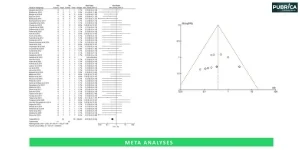
Statistical Analyses
- Data Collection
- AI and ML Services
- Sample Work
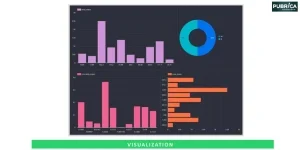
AI and ML Services
- Medical Writing
- Sample Work
Medical Writing
- Research Impact
- Sample Work
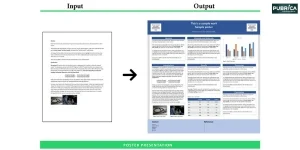
Research Impact
- Medical & Scientific Communication
- Sample Work
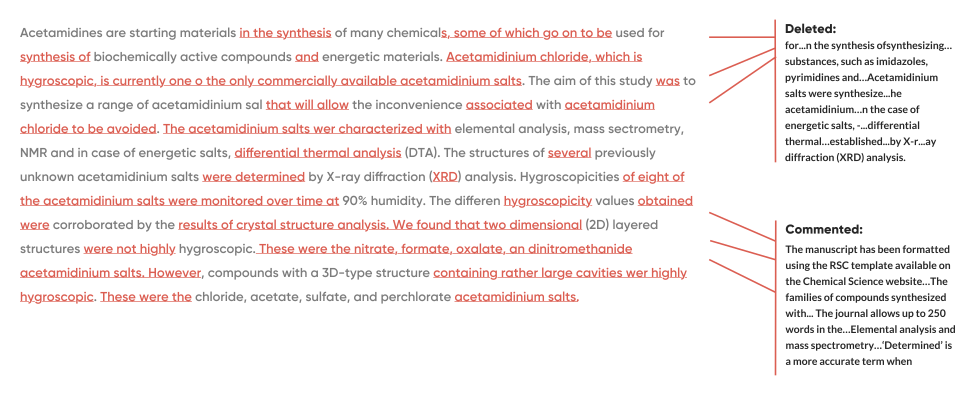
Medical & Scientific Communication
- Medico Legal Services
- Educational Content
- Academic Editorial Services
- Sample Work
Academic Editorial Services
- Educational Editorial Service
-
Education Editorial Services
- Sample Work
Education Editorial Services
-
- Industries
- Subjects
- About Us
- Academy
- Insights
- Contact Us
Targeted literature searches are a fundamental part of writing clinical manuscripts that will meet the standards of high-quality journals and contribute meaningfully to evidence-based practice. When physicians write clinical manuscripts, utilizing a targeted literature search can identify high-quality, relevant, and current evidence. While a general literature review is useful, a targeted literature search is specific to the clinical question and should be completed through frameworks established, such as PICO (Population, Intervention, Comparator, Outcome) and PRISMA [1].
How to Make a Graphical Abstract for a Research Paper
- Home
- Academy
- Research Impact
- How to Make a Graphical Abstract for a Research Paper
High-Impact Journals
Interesting topics
How to Make a Graphical Abstract for a Research Paper
A graphical abstract shows the key findings of a research article in a single, visual representation. They enable readers to grasp the study’s essence quickly and can also enhance the visibility of your work on social media and search engines. Whether you are an academic working on research or a student completing an assignment or project, creating a thoughtful and effective graphical abstract requires focus, creativity, and the right tools. This guide includes steps, places to research resources, and examples of graphical abstracts to help you create yours.[1]
1. What is a Graphical Abstract?
A graphical abstract is a visual representation that summarises a manuscript. It consists of pictures, icons, bar charts, flow diagrams, and other visual elements to display the research aim, methods used, and study findings.[2]
Element | Description | Example |
Title/Heading | Short, clear, and descriptive | Effect of Nanoparticles on Plant Growth |
Visuals | Main figure, diagram, or iconography | Flowchart of experimental process |
Text | Minimal and concise labels | Increased yield by 20% |
Color Scheme | Professional and journal-compliant | Blue and grey tones for clarity |
2. Why Graphical Abstracts Matter
Graphical abstracts provide a visual representation of complicated research to create an inviting visual and much easier for broad audiences to engage with. Graphical abstracts offer discoverability with journals, databases, and through social media that promote your research and its impact.[3]
3. Why You Need a Graphical Abstract
Benefit | Explanation |
Improves Visibility | Boosts your research’s reach on databases and social media. |
Enhances Understanding | Helps readers and non-experts quickly grasp the study. |
Journal Requirement | Many publishers (Elsevier, Springer, Wiley) now request graphical abstracts. |
Increases Citations | Visually engaging papers often attract more readers and citations. |
4. Tools & Resources for Designing Graphical Abstracts
- Bio Render – templates and icons for professional, scientific work.
- Canva – customizable templates for infographics.
- Adobe Illustrator – full control of professional vector graphics.
- Microsoft PowerPoint – simple, quick design for those new to graphics
- Inkscape – the open-source option for Illustrator.
5. Tips for an Effective Graphical Abstract
A well-designed graphical abstract emphasizes one key point and avoids too much content. Use the same icons, fonts, and color across images for a polished look. The simpler and clearer the graphic, the easier your message will be understood. Check the journal you want to submit to for its required dimensions and file format specifications. Choose color palettes that are accessible to those with color blindness.[1]
6. Common Mistakes to Avoid
- Overloading with text or data
- Using low-resolution images
- Ignoring journal formatting rules
- Misrepresenting results
Connect with us to explore how we can support you in maintaining academic integrity and enhancing the visibility of your research across the world!
Conclusion
A well-designed graphical abstract is a useful way to increase your research’s visibility and understanding. By concentrating on a single main message, selecting a logical arrangement of information, and applying established design principles, you can create a more understandable and powerful representation of your research.
How to Make a Graphical Abstract for a Research Paper: Our Top Resources. Our Pubrica consultants are here to guide you. [Get Expert Publishing Support] or [Schedule a Free Consultation]
References
- Jambor, H. K., & Bornhäuser, M. (2024). Ten simple rules for designing graphical abstracts. PLoS computational biology, 20(2), e1011789. https://doi.org/10.1371/journal.pcbi.1011789
- Jeyaraman, M., Ratna, H. V. K., Jeyaraman, N., Maffulli, N., Migliorini, F., Nallakumarasamy, A., & Yadav, S. (2023). Graphical Abstract in Scientific Research. Cureus, 15(9), e45762. https://doi.org/10.7759/cureus.45762
- Stricker, K. (2023, May 26). What is a graphical abstract and why do I need one for my paper?Springer Nature Research Solutions; Springer Nature Research Solutions. https://solutions.springernature.com/blogs/visibility/what-is-a-graphical-abstract-and-why-do-i-need-one-for-my-paper?srsltid=AfmBOoq7FwSD2CM4W4Rwv5p-Wqqg7CaB-S4uLvWYfBo5DA0nlk0gfjId