
- Services
- Discovery & Intelligence Services
- Publication Support Services
- Sample Work
Publication Support Service
- Editing & Translation
-
Editing and Translation Services
- Sample Work
Editing and Translation Service
-
- Research Services
- Sample Work
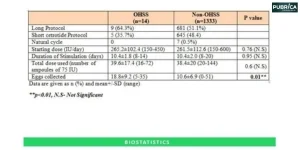
Research Services
- Physician Writing
- Sample Work

Physician Writing Service
- Statistical Analyses
- Sample Work
Statistical Analyses
- Data Collection
- AI and ML Services
- Sample Work
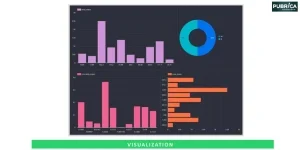
AI and ML Services
- Medical Writing
- Sample Work
Medical Writing
- Research Impact
- Sample Work
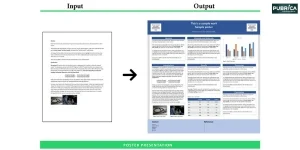
Research Impact
- Medical & Scientific Communication
- Sample Work
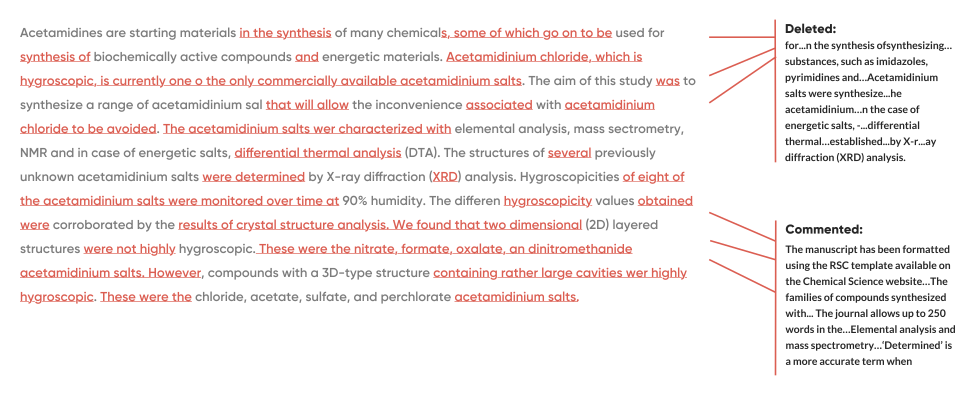
Medical & Scientific Communication
- Medico Legal Services
- Educational Content
- Academic Editorial Services
- Sample Work
Academic Editorial Services
- Educational Editorial Service
-
Education Editorial Services
- Sample Work
Education Editorial Services
-
- Industries
- Subjects
- About Us
- Academy
- Insights
- Contact Us
Data Extraction in Healthcare: Definition, Methods, and Applications
- Home
- Publication Support
- Journal Selection
- Data Extraction in Healthcare: Definition, Methods, and Applications
Data Extraction in Healthcare
Interesting topics


Data Extraction in Healthcare: Definition, Methods, and Applications
Data extraction in healthcare is the collection of certain content from many medical-related documents, including Electronic Health Records (EHR), lab results, insurance claims, and clinical notes. The extracted information is documented in a structured manner and used for clinical decisions, research, and operational purposes.[1]
1. What is Data Extraction in Healthcare?
In healthcare, data extraction is the act of pulling specific information from a greater data set. Data extraction bolsters clinical decision-making, improves the experiences of patients, and promotes research in the field of healthcare. The data also aids in the decision-making processes of doctors, nurses, and administrators.[2]
2. Methods of Data Extraction
It includes manual entry, automated extraction tools, natural language processing (NLP), and machine learning-based techniques.[3]
| Method | Description | Use Cases |
|---|---|---|
| OCR (Optical Character Recognition) [4] | Converts scanned images of documents into machine-readable text. | Digitizing handwritten notes and forms. |
| NLP (Natural Language Processing) [5] | Analyses and interprets human language to extract meaningful data. | Extracting symptoms, diagnoses, and treatments from clinical notes. |
| Template-Based Extraction | Utilizes predefined templates to extract data from structured documents. | Processing standardized forms and reports. |
| AI-Powered Extraction | Employs machine learning algorithms to adapt and extract data from diverse document types. | Handling varied and complex medical documents. |
Examples in Healthcare
- Discharge Summaries: Extracting patient discharge information to update EHRs and inform follow-up care.
- Lab Reports: Automating the extraction of test results to monitor patient health status.
- Insurance Claims: Extracting billing codes and patient details to expedite claims processing.
- Clinical Trials: Extracting participant data to assess eligibility and track outcomes.[6]
3. Applications of Data Extraction
- Support for Clinical Decision-Making: It supplies condensed information for designing decision support tools.[7]
- Facilitation of Research: It allows for performing research in aggregate.
- Billing and Coding: It automatically extracts billing codes from clinical notes.
- Assurance of Regulatory Compliance: It guarantees accurate reporting for reasons of regulatory compliance.[8]
4. Benefits of Data Extraction in Healthcare
| Better Patient Outcomes | Enables fast access to complete patient information to support decision-making. |
| Operational Efficiency | Cuts down on repetitive data entry, reducing potential inaccuracies and workload. |
| Cost Savings | Shortens processes, which leads to quicker billing and reimbursement timelines. |
| Advanced Research Capabilities | Has organized data to crucially support investigations to inform evidence-based practice. |
| Regulatory Compliance | Verifies data is transferred in line with regulations and standards for health. |
5. Challenges in Healthcare Data Extraction
Healthcare data extraction includes handling unstructured data, ensuring accuracy, maintaining patient privacy, and integrating information from diverse sources.[9]
- Privacy of data: Making sure that we are compliant with regulations such as HIPAA.
- Data Quality: Working with missing or contradictory data.
- Integration: Bringing together data from different sources and formats.
6. Future Trends in Extraction
- Incorporation of artificial intelligence: Making the accuracy of data and efficiency better with enhanced, artificial intelligence-driven tools.
- Interoperability: Ease of data sharing across systems was improved.
- Extraction of real-time data: It is available for informing clinical use immediately.
Conclusion
In healthcare, data extraction takes unstructured medical data and turns it into usable information that can improve care for patients, lead to breakthroughs in research, and improve administration. There can be challenges in doing this due to data privacy and integration issues to start. However, through AI and automation, data extraction is becoming faster and more accurate, meaning it could play a pivotal role in healthcare in the present and the future.
Data Extraction in Healthcare: Definition, Methods, and Applications? Our Pubrica consultants are here to guide you. [Get Expert Publishing Support] or [Schedule a Free Consultation]
References
- John, R. (2024, November 15). Data extraction in healthcare: Use cases, documents, best practices. com. https://www.docsumo.com/blogs/data-extraction/healthcare-industry
- What is Data Extraction? Definition and Examples. (n.d.). Talend – A Leader in Data Integration & Data Integrity; Talend. Retrieved September 22, 2025, from https://www.talend.com/resources/data-extraction-defined/
- Mathes, T., Klaßen, P., & Pieper, D. (2017). Frequency of data extraction errors and methods to increase data extraction quality: a methodological review. BMC Medical Research Methodology, 17(1), 152. https://doi.org/10.1186/s12874-017-0431-4
- Memon, J., Sami, M., Khan, R. A., & Uddin, M. (2020). Handwritten optical character recognition (OCR): A comprehensive systematic literature review (SLR). IEEE Access: Practical Innovations, Open Solutions, 8, 142642–142668. https://doi.org/10.1109/access.2020.3012542
- Rosyadi, H. E., Amrullah, F., Marcus, R. D., & Affandi, R. R. (2020). Rancang Bangun Chatbot Informasi Lowongan Pekerjaan Berbasis Whatsapp dengan Metode NLP (Natural Language Processing). Briliant, 5(3), 619. https://doi.org/10.28926/briliant.v5i3.487
- Weng C. (2015). Optimizing Clinical Research Participant Selection with Informatics. Trends in pharmacological sciences, 36(11), 706–709. https://doi.org/10.1016/j.tips.2015.08.007
- Phillips, R. S., Vaarwerk, B., & Morgan, J. E. (2022). Using Evidence-Based Medicine to Support Clinical Decision-Making in RMS. Cancers, 15(1), 66. https://doi.org/10.3390/cancers15010066
- What is regulatory compliance?(n.d.). Metricstream. Retrieved September 22, 2025, from https://www.metricstream.com/learn/comprehensive-guide-to-regulatory-compliance.htm
- Sedlakova, J., Daniore, P., Horn Wintsch, A., Wolf, M., Stanikic, M., Haag, C., Sieber, C., Schneider, G., Staub, K., Alois Ettlin, D., Grübner, O., Rinaldi, F., von Wyl, V., & University of Zurich Digital Society Initiative (UZH-DSI) Health Community (2023). Challenges and best practices for digital unstructured data enrichment in health research: A systematic narrative review. PLOS digital health, 2(10), e0000347. https://doi.org/10.1371/journal.pdig.0000347