- Services
- Discovery & Intelligence Services
- Publication Support Services
- Sample Work
Publication Support Service
- Editing & Translation
-
Editing and Translation Services
- Sample Work
Editing and Translation Service
-
- Research Services
- Sample Work
Research Services
- Physician Writing
- Sample Work
Physician Writing Service
- Statistical Analyses
- Sample Work
Statistical Analyses
- Data Collection
- AI and ML Services
- Sample Work
AI and ML Services
- Medical Writing
- Sample Work
Medical Writing
- Research Impact
- Sample Work
Research Impact
- Medical & Scientific Communication
- Sample Work
Medical & Scientific Communication
- Medico Legal Services
- Educational Content
- Academic Editorial Services
- Sample Work
Academic Editorial Services
- Educational Editorial Service
-
Education Editorial Services
- Sample Work
Education Editorial Services
-
- Industries
- Subjects
- About Us
- Academy
- Insights
- Contact Us
How to Choose the Right Journal in New Zealand: Expert Selection Guidance
How to Choose the Right Journal in New Zealand: Expert Selection Guidance
Publication of research is not just an academic achievement but also an important decision that can have significant implications for your exposure, citations, and professional development. For any researcher who is looking forward to journal paper publication in New Zealand, the selection of the journal is an important process that demands an analysis of the journal’s scope, coverage, and audience.
This expert guide is designed to assist you in your research paper publication in NZ, whether you are new to the process or looking to improve your approach.
1. Why Journal Selection Is a Strategic Decision
The selection of an appropriate journal has significant impacts on:
- Citation performance
- Research visibility
- Academic promotion prospects
- Funding and grant success
Studies on scholarly communication demonstrate that journal selection is a strong predictor of long-term citation performance
Journal Fit and Impact
Journals with strong editorial scope alignment and peer-review integrity demonstrate significantly higher citation consistency compared to mismatched submissions.
2. Define Your Research Contribution Clearly
Before you begin identifying the journals, you should clarify the following:
- What problem does your research address?
- Is your research focus regional (New Zealand-specific) or global?
- Is your research contribution theoretical, empirical, or applied?
Example
Study: Acemoglu, D., Johnson, S., & Robinson, J. A. (2001).
In their influential study “The Colonial Origins of Comparative Development” published in the American Economic Review, Acemoglu et al. show how a strong theoretical basis combined with empirical analysis is the key to a highly influential publication.
This study is a perfect example of how influential research is achieved by matching the manuscript to a journal that meets the following criteria:
- Strong theoretical basis
- Strong methodology
- Strong alignment with a journal that is known for its economic research methodology
3. Identify Journals That Match Scope and Audience
One of the leading causes of desk rejections is scope misalignment, which ranks high among the reasons for desk rejections. In the case of journal paper publication for the New Zealand region, consider: Journals that publish NZ-focused research, Asia-Pacific regional journals, International journals that welcome regional case studies
- Check “Aims and Scope” carefully
- Review recently published articles
- Determine whether similar methodologies are used
Example: NZ Contextual Research
A public health paper focusing on Māori health outcomes might be more suitable for a regional health journal or a journal with indigenous research priorities
Journal submission support for NZ researchers, ensures precise journal matching, flawless formatting, and a higher chance of publication success.
4. Evaluate Journal Quality and Indexing
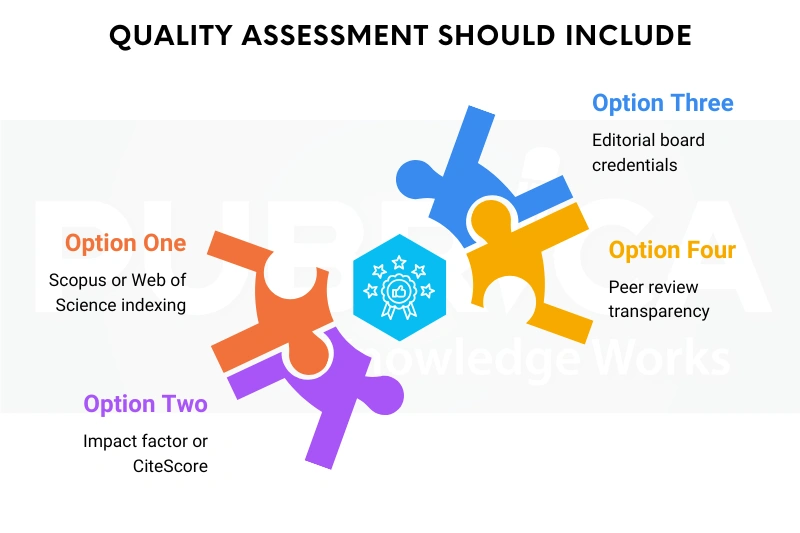
The journal’s prestige should not influence the decision to submit a research paper; rather, the methodology used and the quality of the review should determine the influence of the research
Metrics vs Meaning
While high-impact metrics are important, regional relevance may also play an equally important role for the publication of a research paper in NZ.
5. Understand Open Access vs Subscription Models
Open access journals also offer the advantage of greater visibility and downloads. Piwowar et al. (2018) discovered that open access articles receive a citation advantage over paywalled articles.
In the context of scientific journal publication services offered in NZ, the following should be considered:
- Article Processing Charges (APCs)
- Institutional funding support
- Hybrid journal options.
Open access can be especially beneficial for research with public policy or environmental relevance in New Zealand.
Study Successful Publication Models
Example: Methodological Strength
Study: Ioannidis, J. P. A. (2005). “Why Most Published Research Findings Are False.”
The study, published in a prominent journal, achieved significant traction because it discussed a critical research integrity concern in a manner that applied strong statistical analysis and argumentation skills. The takeaways for NZ researchers:
- Select a publication outlet in keeping with methodological debate in the field
- Identify a research problem to address
- Provide strong evidence to support claims
Using this approach can improve the probability of acceptance in a journal paper in New Zealand and abroad.
6. Review Acceptance Speed and Editorial Efficiency
The timing of publication is an important factor for doctoral researchers and other early-stage researchers. When assessing journals, consider the following:
- Review periods
- Revision requirements
- Online first availability
Transparent peer review processes tend to correlate with efficient editorial workflows.
7. Use Journal Submission Support Strategically
Many researchers are able to benefit from professional support services during their complex submission processes.
Services That Add Value:
- Journal matching analysis
- Technical formatting
- Statistical review
- Cover letter development
- Reviewer response guidance.
Choosing the best journal submission service in New Zealand can be particularly helpful for interdisciplinary or first-time authors.
8. Align Your Manuscript Structure with Journal Expectations
Having a solid structure increases your chances of a positive review. Your manuscript should include:
- A clear abstract with keywords
- A well-developed literature review
- A clear methodology
- A data availability statement
- Declaration of ethical compliance
Manuscripts that are not well organized are likely to be rejected, even if the research is good.
9. Prepare for Peer Review and Revision
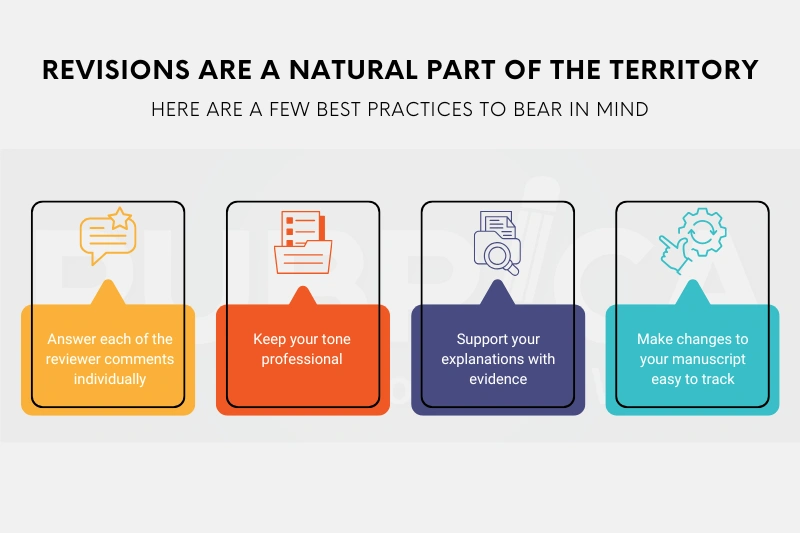
Constructive engagement can increase the chances of acceptance substantially.
10. Consider Ethical Standards and Compliance Requirements
Ethical transparency has now become a standard expectation in academic publishing. Research journals, both in New Zealand and worldwide, require strict standards of research integrity to be met. Prior to submitting a manuscript, it is essential to ensure that the manuscript demonstrates the following:
- Ethical clearance, if human or animal subjects are involved
- Informed consent statements
- Disclosure of conflict of interest
- Funding transparency
- Compliance of data availability statements
If a manuscript fails to meet ethical standards, it may be rejected immediately, irrespective of the quality of the research. For researchers seeking to publish in New Zealand, it is important to demonstrate alignment to ethical standards to gain greater credibility in the peer review process.
11. Analyse Journal Audience and Long-Term Research Impact
Another factor that must be taken into consideration, aside from indexing and impact factor, is the journal’s audience. Some questions that must be asked include:
- What kind of readers or audience will be able to read the journal? Will they be policymakers, clinicians, industry professionals, or scholars?
- Will the readers be from New Zealand or around the world?
- Will publishing in the journal be beneficial for your long-term research goals?
If you want your research paper publication in NZ to be successful, it is essential that you consider a journal that has the right readers or audience for your research, which will be beneficial for your research paper in terms of citation and collaboration.
Final Strategic Checklist
Before you publish your research paper in New Zealand, make sure you have:
- Verified the journal scope
- Verified the journal’s indexing status
- Complied with ethical considerations
- Complied with the journal’s formatting requirements
- Customized the cover letter
- Complied with data transparency requirements
Conclusion
Selection of the correct journal is a strategic move that has a direct impact on the success of the publication of a journal paper in New Zealand. In addition to having a strong research piece, it is imperative for the author to ensure a strong alignment of the journal, regional focus, and adherence to the submission guidelines to achieve a positive outcome for the publication of a research paper in NZ. For those looking to publish their research papers in NZ, it is imperative to achieve a balance between impact factors and relevance, readership, as well as open-access policies. Being professionally presented and prepared is a strong way of enhancing the chances of a manuscript being published.
Turn your research into a globally recognized publication with the right journal strategy. Partner with Pubrica’s expert-led scientific journal publication services in NZ to achieve successful and stress-free publication.[Get Expert Publishing Support] or [Schedule a Free Consultation].
References
- Acemoglu, D., Johnson, S., & Robinson, J. A. (2001). The colonial origins of comparative development: An empirical investigation. American Economic Review, 91(5), 1369–1401. https://doi.org/10.1257/aer.91.5.
- Ioannidis, J. P. A. (2022). Correction: Why most published research findings are false. PLoS Medicine, 19(8), e1004085. https://doi.org/10.1371/journal.