
- Services
- Discovery & Intelligence Services
- Publication Support Services
- Sample Work
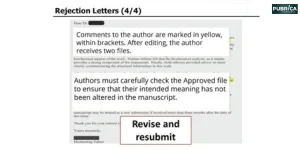
Publication Support Service
- Editing & Translation
-
Editing and Translation Services
- Sample Work

Editing and Translation Service
-
- Research Services
- Sample Work

Research Services
- Physician Writing
- Sample Work
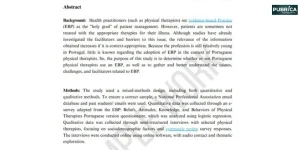
Physician Writing Service
- Statistical Analyses
- Sample Work

Statistical Analyses
- Data Collection
- AI and ML Services
- Sample Work

AI and ML Services
- Medical Writing
- Sample Work
Medical Writing
- Research Impact
- Sample Work

Research Impact
- Medical & Scientific Communication
- Sample Work
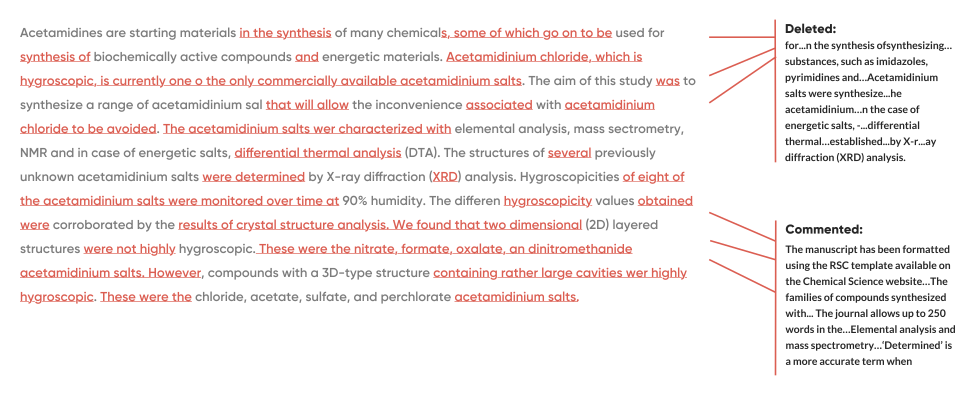
Medical & Scientific Communication
- Medico Legal Services
- Educational Content
- Academic Editorial Services
- Sample Work
Academic Editorial Services
- Educational Editorial Service
-
Education Editorial Services
- Sample Work
Education Editorial Services
-
- Industries
- Subjects
- About Us
- Academy
- Insights
- Contact Us

Expert Witness Opportunities for Doctors: How to Become a Medical-Legal Expert Witness
- Home
- Academy
- Statistical analysis
- Expert Witness Opportunities for Doctors: How to Become a Medical-Legal Expert Witness
High-Impact Journals
- Why Doctors Are Needed as Expert Witnesses
- Qualifications Required for Medical-Legal Expert Witnesses
- Developing Expertise in Medical-Legal Matters
- Building a Reputation and Professional Network
- How to Get Your First Medical-Legal Expert Witness Case
- The Role of a Medical Expert Witness in Legal Proceedings
- Benefits of Becoming a Medical-Legal Expert Witness
- Challenges Faced by Medical-Legal Expert Witnesses
- Compensation for Medical Expert Witnesses
Interesting topics
Expert Witness Opportunities for Doctors: How to Become a Medical-Legal Expert Witness
1. Why Doctors Are Needed as Expert Witnesses
2. Qualifications Required for Medical-Legal Expert Witnesses
3. Developing Expertise in Medical-Legal Matters
4. Building a Reputation and Professional Network
5. How to Get Your First Medical-Legal Expert Witness Case
6. The Role of a Medical Expert Witness in Legal Proceedings
7. Benefits of Becoming a Medical-Legal Expert Witness
8. Challenges Faced by Medical-Legal Expert Witnesses
9. Compensation for Medical Expert Witnesses
A professional witness (sometimes also referred to as an expert) is an individual who testifies in a court of law whose opinion or analysis has been solicited based on their unique knowledge, education, and or experience of the subject matter at hand to assist the judge and jury in understanding the facts of the case. Medical professionals (known as medical doctors) typically act as witnesses and provide their expertise and opinions regarding complicated medical situations (e.g., medical malpractice claims) or injuries (e.g., personal injuries) as part of a lawsuit process. forming an essential part of medico-legal expert services and medical expert witness work.[1]
1. Why Doctors Are Needed as Expert Witnesses
Physicians possess specialized medical knowledge that provides valuable insight into the legal system because they have expertise in dealing with the medical reality of cases to come to their conclusions. Physician witnesses help judges, lawyers, and jurors understand complex medical issues by providing clarification. [2]
- Case of medical malpractice: A physician is accused of negligence or not providing appropriate care to their patient. [3]
- Cases of personal injury: Medical experts explain the types and extent of injuries sustained by individuals due to the injuries they received from a motor vehicle accident or other events of that nature.
- Workers’ compensation cases: The doctor will determine the effect on the individual in the workplace, as well as help determine how much compensation should be awarded to the individual.
2. Qualifications Required for Medical-Legal Expert Witnesses
For a doctor to become a Medical-Legal Expert Witness, they must fulfil specific requirements to be eligible for this type of work.
- Have A Medical License: The individual must be licensed and practising medicine within a specific speciality.
- Hold Specialized Knowledge: The doctor needs to demonstrate that they are an authority within their chosen field of medicine, e.g., surgery, psychiatry, paediatrics.
- Have Extensive Experience: In addition to having medical qualifications, doctors need to have a considerable amount of experience practising medicine in the same area about which they would testify.
- Ability to Communicate Complex Medical Information: All Medical-Legal Expert Witnesses must be able to communicate medical concepts and theories clearly and concisely to those not educated in medicine, such as judges and juries.[4]
3. Develop Expertise in Medical-Legal Matters
To be a successful medical expert witness, a physician needs to do the following: [5]
- Obtain Experience with Legal Terminology: A physician needs to completely understand the legal system, specifically how evidence is presented and how testimony is structured.
- Take Legal Training: Several organizations provide training for healthcare professionals who want to be expert witnesses, so physicians need to be aware of these opportunities.
- Know the Types of Cases Where Medical Expert Witnesses Are Required: Certain types of cases will need a medical expert witness, so by understanding these types of cases, a physician can better prepare for the case in which they will be involved.[6]
4. Building a Reputation and Professional Network
A good reputation is key in the field of medical-legal work. To build credibility:
Publish Articles or Books | Publishing in medical journals or writing books related to your specialty can help you establish yourself as a credible expert. |
Join Professional Associations | Associations such as the American College of Legal Medicine (ACLM) offer networking opportunities and resources for potential expert witnesses. |
Get Referrals | Many medical-legal experts are referred to attorneys by colleagues or previous clients. These networks also strengthen visibility in medico-legal services and other expert witness opportunities. |
5. How to Get Your First Medical-Legal Expert Witness Case
Getting started as a medical expert witness often involves networking, but you can also:
- Reach out to Law Firms: Attorneys regularly hire expert witnesses for their cases. Contacting law firms directly can help doctors get their first cases.
- Sign Up with Expert Witness Directories: Some organizations maintain directories of expert witnesses, where you can list your credentials and availability.
6. The Role of a Medical Expert Witness in Legal Proceedings
There are many ways a medical expert can help a lawyer prepare for litigation. Medical experts review medical records, write reports, and provide their opinions regarding whether the case has merit. Medical experts provide evidence in court by testifying to the medical issues involved in the case, responding to questions posed by lawyers during direct examination, and providing expert opinions. Medical experts may also provide an expert’s sworn testimony before the trial takes place. [7]
7. Benefits of Becoming a Medical-Legal Expert Witness
Benefit | Description |
Supplemental Income | Medical-legal work offers high pay rates, making it a lucrative side job or secondary income stream for doctors. |
Professional Recognition | Serving as an expert witness can enhance a doctor’s reputation and visibility in their field. |
Opportunities for Networking | Medical-legal work provides doctors with opportunities to connect with legal professionals, opening doors to further career advancement. |
Variety in Work | Serving as an expert witness allows doctors to work on diverse legal cases, keeping their practice varied and dynamic. |
Intellectual Challenge | Medical-legal work involves the application of medical knowledge to complex scenarios, which can be intellectually rewarding. |
These benefits make medical expert witness work attractive for those seeking doctor expert witness opportunities.
8. Challenges Faced by Medical Legal Experts
The benefits of being an expert witness are rewarding, but there are also many challenges.
- Time Commitment: Expert witnesses must take time away from their practice to prepare for and attend a trial.
- Complex Legalities: The legal system is often complicated, and therefore, it is important for expert witnesses to fully understand the relevant procedures and processes.
- Cross-examination of Expert Witnesses: The lawyer representing the other side will likely assert that the expert does not possess credibility. Therefore, expert witnesses must prepare themselves thoroughly and demonstrate self-confidence about their testimony when on cross-examination.
9. Compensation for Medical Expert Witnesses
Doctors can be compensated well for serving as expert witnesses. Payment rates vary based on:
- Experience and expertise: More experienced or specialized doctors may command higher fees.
- Type of case: Malpractice cases or high-profile cases may offer higher compensation.
- Time invested: Experts are generally paid for their time spent reviewing documents, preparing reports, and testifying in court. High compensation makes this a strong category of expert witness opportunities.
Connect with us to explore how we can support you in maintaining academic integrity and enhancing the visibility of your research across the world!
Conclusion
Becoming a medical-legal expert witness offers doctors a chance to use their expertise in legal cases, providing valuable testimony. It requires understanding legal processes, maintaining impartiality, and ethical conduct. The role provides benefits like additional income and professional recognition. By gaining legal knowledge and building a solid reputation, doctors can succeed in this rewarding field of medico-legal expert services, medico-legal services, and broader expert witness opportunities.
How to Become a Medical-Legal Expert Witness. Our Pubrica consultants are here to guide you. [Get Expert Publishing Support] or [Schedule a Free Consultation]
References
- Papagiannopoulos K. (2019). The ideal and impartial medical expert: tips and tricks for a safe medicolegal practice. Journal of thoracic disease, 11(Suppl 7), S1009–S1013. https://doi.org/10.21037/jtd.2019.04.68
- Parakh S. (2011). Expert witness. Indian journal of anaesthesia, 55(4), 421–422. https://doi.org/10.4103/0019-5049.84839
- Bal B. S. (2009). An introduction to medical malpractice in the United States. Clinical orthopaedics and related research, 467(2), 339–347. https://doi.org/10.1007/s11999-008-0636-2
- Power E. G. M. (2023). Considerations for Effective Communication of Medical Information. Pharmaceutical medicine, 37(2), 97–101. https://doi.org/10.1007/s40290-023-00461-3
- Thomas, J., & Moore, G. (2013). Medical-legal Issues in the Agitated Patient: Cases and Caveats. The western journal of emergency medicine, 14(5), 559–565. https://doi.org/10.5811/westjem.2013.4.16132
- Friston M. (2005). Roles and responsibilities of medical expert witnesses. BMJ (Clinical research ed.), 331(7512), 305–306. https://doi.org/10.1136/bmj.331.7512.305
- Emson H. E. (2010). The role of medical witnesses. CMAJ : Canadian Medical Association journal = journal de l’Association medicale canadienne, 182(4), 384. https://doi.org/10.1503/cmaj.110-2030