
- Services
- Discovery & Intelligence Services
- Publication Support Services
- Sample Work
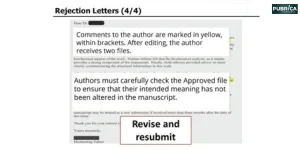
Publication Support Service
- Editing & Translation
-
Editing and Translation Services
- Sample Work
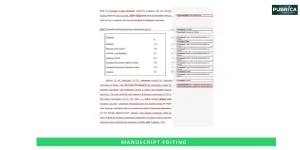
Editing and Translation Service
-
- Research Services
- Sample Work
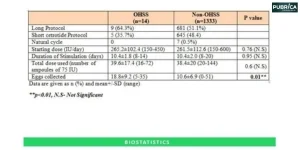
Research Services
- Physician Writing
- Sample Work
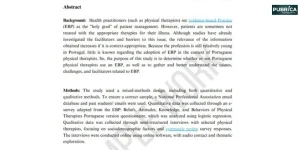
Physician Writing Service
- Statistical Analyses
- Sample Work
Statistical Analyses
- Data Collection
- AI and ML Services
- Sample Work
AI and ML Services
- Medical Writing
- Sample Work
Medical Writing
- Research Impact
- Sample Work
Research Impact
- Medical & Scientific Communication
- Sample Work
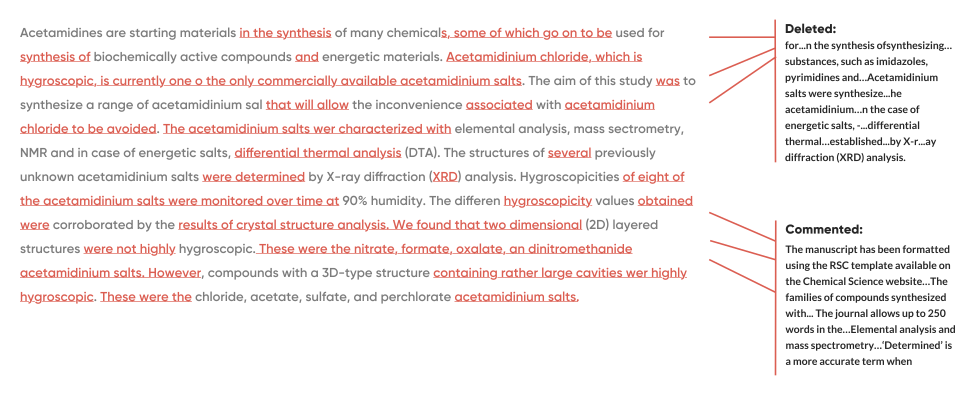
Medical & Scientific Communication
- Medico Legal Services
- Educational Content
- Academic Editorial Services
- Sample Work
Academic Editorial Services
- Educational Editorial Service
-
Education Editorial Services
- Sample Work
Education Editorial Services
-
- Industries
- Subjects
- About Us
- Academy
- Insights
- Contact Us
Ophthalmology Manuscript Support: Retina, Glaucoma & Imaging Studies from Review to Submission
High-Impact Journals
- Ophthalmology Manuscript Development Workflow
- Retina Research Manuscript Support
- Glaucoma Research Manuscript Support
- Imaging Studies and Figure Preparation
- Statistical Analysis and Reporting in Ophthalmology Research
- Ethical and Reporting Guidelines for Ophthalmology Manuscripts
- Common Challenges in Ophthalmology Manuscripts
- From Peer Review to Final Journal Submission
- Conclusion
Interesting topics
Ophthalmology Manuscript Support: Retina, Glaucoma & Imaging Studies from Review to Submission
Innovations in retinal imaging, glaucoma testing, optical coherence tomography (OCT), artificial intelligence (AI), and multimodal imaging have revolutionised the field of ophthalmology research. With the increase in complexity and data-intensive nature of research in recent times, scientific writing of ophthalmology manuscripts involves not only scientific accuracy and methodological rigour but also meeting the specifications of the journals along with communicating clinical results effectively. An ophthalmology manuscript editing service helps researchers prepare publication-ready manuscripts that meet international publishing standards.
Regardless of whether your research is related to retinal disorders, glaucomatous progression, ophthalmic imaging techniques, or surgery outcomes, retina and glaucoma research writing support and ophthalmology journal submission support will boost the quality of your manuscript right from literature search to journal submission. [1]
1. Importance of Manuscript Support in Ophthalmology Research
There are challenges associated with the publication of ophthalmology research because of the complicated nature of imaging techniques used, criteria used in making diagnosis, and the interpretation of statistics. An ophthalmology manuscript editing service helps researchers write their papers scientifically and logically while adhering to the guidelines for submission in the journal being considered. [2]
Professional help is especially important for papers that deal with:
- Retina and vitreoretinal disorders
- Glaucoma diagnosis and treatment
- Optical Coherence Tomography (OCT)
- Fundus photography
- AI in Ophthalmology
- Ocular Imaging Biomarkers
2. Manuscript Development Workflow
A structured manuscript preparation process improves both publication quality and review efficiency.
|
Stage |
Key Activities |
Expected Outcome |
|
Evidence synthesis and gap identification |
Research rationale |
|
|
Study Design Review |
Methodology validation |
Scientifically robust study |
|
Data Analysis |
Statistical interpretation |
Reliable research findings |
|
Manuscript Writing |
IMRaD structure development |
Publication-ready draft |
|
Language and consistency improvement |
High-quality manuscript |
|
|
Journal Formatting |
Compliance with author guidelines |
Submission-ready document |
|
Submission Support |
Cover letter and revisions |
Successful journal submission |
This workflow is commonly followed by providers offering ophthalmology journal submission support.
3. Retina Research Manuscript Support
Retinal studies may require complicated imaging data sets and outcome data for patients. The manuscript editing service helps ensure that your research objectives, imaging results, and statistical analysis is represented accurately. Retina study manuscript review services also improve scientific clarity and reporting quality before submission. [3]
Some common research subjects are:
- Age-related macular degeneration (AMD)
- Diabetic retinopathy
- Retinal vein occlusion
- Retinal detachment
- Macular edema
- Inherited retinal disorders
Services provided include literature review improvement, image analysis assistance, figure generation, and statistics reporting.
4. Glaucoma Research Manuscript Support
Glaucoma studies need proper reporting on disease progression, optic nerve, intraocular pressure, and visual field. Professional retina and glaucoma research writing support ensures accurate presentation of study findings and adherence to journal requirements. [4]
Professional assistance with manuscripts is helpful in:
- Study design for a clinical study
- Outcome reporting in a longitudinal study
- Glaucoma assessment by OCT
- Interpretation of statistical models of progression
- Discussion consistent with current clinical evidence
Such assistance improves science communication and increases chances of manuscript acceptance in peer review.
5. Imaging Studies and Figure Preparation
Current ophthalmology studies are highly dependent on imaging techniques. Ophthalmic imaging study manuscript help assists researchers in accurately presenting complex imaging data and preparing publication-quality figures.
Some commonly used imaging techniques include the following:
- Optical Coherence Tomography (OCT)
- OCT Angiography (OCTA)
- Fundus Photography
- Fluorescein Angiography
- Visual Field Imaging
- Confocal Scanning Laser Ophthalmoscopy
Proper figure creation, accurate image labelling, and correct legends enhance the review of manuscripts.
6. Statistical Analysis and Reporting
Good statistical analyses are important for ophthalmology research based on evidence.[5]
Some popular statistical tools are:
- Descriptive statistics
- Logistic regression analysis
- Cox proportional hazards model
- Kaplan-Meier survival analysis
- ROC curve analysis
- Mixed-model analysis
Good reporting of confidence intervals, p-values, effect sizes, and performance is crucial, particularly during retina study manuscript review and eye research paper editing.
7. Ethical and Reporting Compliance
The ophthalmology research papers must adhere to global guidelines for publications.
| The important guidelines to follow are: | The researcher must also make sure that: |
| CONSORT (clinical trials) | The paper is approved by an institutional ethics committee |
| STROBE (observational studies) | The consent of the patients is obtained |
| PRISMA (systematic reviews) | The data is confidential |
| CARE (case reports) | Conflicts of interest are stated |
8. Common Challenges in Ophthalmology Manuscripts
|
Challenge |
Impact |
Manuscript Support Solution |
|
Complex imaging interpretation |
Reduced clarity |
Scientific image presentation |
|
Weak statistical reporting |
Reviewer concerns |
Statistical review |
|
Poor manuscript organization |
Lower readability |
Scientific writing support |
|
Journal formatting errors |
Submission delays |
Journal-specific formatting |
|
Language inconsistencies |
Editorial revisions |
Professional editing |
|
Reviewer comments |
Publication delay |
Response-to-reviewer support |
9. From Peer Review to Final Submission
The submission of manuscripts does not mark the end of publication. Most ophthalmic publications require revisions post-peer review. Comprehensive ophthalmology journal submission support continues throughout the revision process. [6]
Professional assistance at this point involves:
- Analyses of reviewer comments
- Preparation of scientific response
- Revision documentation
- Preparation of revised figures
- Format checks
An organised revision approach will help with communication with the journal editors and increase chances of manuscript acceptance.
Connect with us to explore how we can support you in maintaining academic integrity and enhancing the visibility of your research across the world!
Conclusion
To publish good ophthalmology research, one must pay attention to scientific accuracy, methodology, and international standards of publishing. This applies to such topics as retina imaging, glaucoma, and many others. By providing ophthalmology manuscript editing service, retina and glaucoma research writing support, ophthalmic imaging study manuscript help, retina study manuscript review, eye research paper editing, and ophthalmology journal submission support, researchers can improve the quality of their manuscripts and achieve better results at every stage of writing, peer review, and journal submission.
Ophthalmology Manuscript Support: Retina, Glaucoma & Imaging Studies from Review to Submission.Our Pubrica consultants are here to guide you. [Get Expert Publishing Support] or [Schedule a Free Consultation]
Frequently Asked Questions (FAQs)
Ophthalmology manuscript support covers literature review, scientific writing, statistical analysis, manuscript editing, figure preparation, journal formatting, submission assistance, and responses to peer-review comments. These services help researchers prepare publication-ready manuscripts that meet journal requirements.
Professional manuscript support helps present complex clinical findings, imaging data, and statistical analyses clearly and accurately. It also improves manuscript structure, scientific language, and compliance with journal guidelines, increasing the likelihood of successful publication.
Common imaging modalities include Optical Coherence Tomography (OCT), OCT Angiography (OCTA), Fundus Photography, Fluorescein Angiography, Visual Field Imaging, and Confocal Scanning Laser Ophthalmoscopy. Proper image preparation and labeling are essential for effective scientific communication.
Frequently used statistical methods include descriptive statistics, logistic regression, Cox proportional hazards models, Kaplan–Meier survival analysis, ROC curve analysis, and mixed-effects models. Clear reporting of confidence intervals, p-values, and effect sizes is essential for publication.
The appropriate reporting guideline depends on the study design. Commonly used guidelines include CONSORT for clinical trials, STROBE for observational studies, PRISMA for systematic reviews, and CARE for case reports. Authors should also ensure ethical approval, informed patient consent, and disclosure of conflicts of interest.
Post-peer-review support includes interpreting reviewer comments, revising the manuscript, preparing detailed response letters, updating figures and tables, performing final formatting checks, and ensuring the revised manuscript complies with the journal’s submission requirements before resubmission.
References
- Li, J., Wang, L., Zhang, R., Hao, H., Yu, B., Xin, M., Sun, Y., & Xing, X. (2025). Bibliometric and Visualized Analysis of Ophthalmic Imaging Technology for Glaucoma Diagnosis from 2015 to 2024. Journal of current ophthalmology, 37(1), 38–47. https://doi.org/10.4103/joco.joco_118_25
- Nayak B. K. (2008). Why should you publish in the Indian Journal of Ophthalmology?. Indian journal of ophthalmology, 56(6), 451–452. https://doi.org/10.4103/0301-4738.43363
- Chawla R. (2024). Retina: Current research. Indian journal of ophthalmology, 72(Suppl 1), S1. https://doi.org/10.4103/IJO.IJO_3029_23
- Hung, S. H., Yen, W. T., & Lu, D. W. (2025). Advances in Glaucoma Diagnosis and Treatment: Integrating Innovations for Enhanced Patient Outcomes. Biomedicines, 13(4), 850. https://doi.org/10.3390/biomedicines13040850
- Vandever C. (2020). Introduction to Research Statistical Analysis: An Overview of the Basics. HCA healthcare journal of medicine, 1(2), 71–75. https://doi.org/10.36518/2689-0216.1062
- Willis L. D. (2024). The Peer Review Process. Respiratory care, 69(4), 492–499. https://doi.org/10.4187/respcare.11838