
Manuscript Formatting for Journal Submission: A Complete Guide for Researchers
- Home
- Publication Support
- Journal Selection
- Manuscript Formatting for Journal Submission: A Complete Guide for Researchers
An Academy Guide
- Why Proper Formatting Matters
- Beyond the Basics: What Manuscript Formatting Include
- The Role of Formatting in the Review Process
- Formatting Styles: A Primer
- Visual Elements: Making Data Speak Clearly
- Manuscript Formatting Checklist
- Benefits of Professional Formatting
- Tools and Resources for Formatting
- Handling Submission Errors
Interesting topics

Manuscript Formatting for Journal Submission: A Complete Guide for Researchers
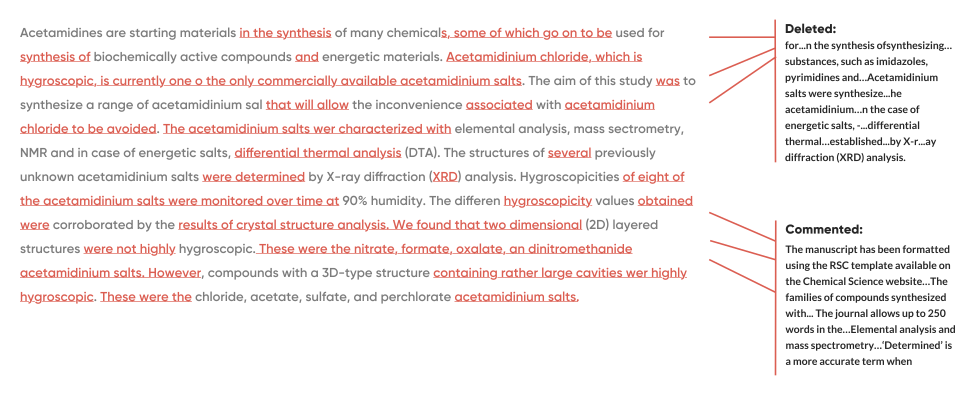
Manuscript formatting services professionally adjust academic papers, theses, and books to meet specific journal or publisher guidelines, handling layout, fonts, spacing, citations, references, and figure placement, saving authors time and increasing publication chances by ensuring compliance and consistency. Submitting a manuscript to an academic journal can often be perceived as quite overwhelming, as journals expect not just cutting-edge research with exceptional findings, but also whether the manuscript is formatted correctly, adherence to the journal submission requirements, and whether the information is presented clearly and unambiguously. This guide will walk you through the essentials of manuscript formatting, including key components, formatting styles, and services that can help you meet journal-specific requirements [1,2]
1. Why Proper Formatting Matters
Formatting is not only a matter of aesthetics; it is essential to make sure your manuscript is: Within the publisher’s format specifications
- Allows for ease of peer review and editorial processing
- Decreases the likelihood of a desk rejection
- Effectively communicates the research content.
Even when there’s a good scientific rationale behind a manuscript, if it’s not properly formatted, the journals’ editorial boards will routinely return these manuscripts to authors, thus delaying the manuscript’s time to publication. Academic manuscript formatting is an essential step in preparing your research for publication. It ensures that your manuscript adheres to the journal’s specific formatting requirements and journal’s instructions for authors, increasing the chances of acceptance.[3]
2. Beyond the Basics: What Manuscript Formatting Include
Different types of service have different roles and fulfil different requirements. The table below will outline the major elements:
Component | What It Covers | Why It Matters |
Title Page Setup | Author Names, Author Affiliations, Correspondence Address | Clarification of authorship & authorship communication [4] |
Abstract & Keywords | A structured summary and searchable keywords | Enhances visibility & indexing |
Headings & Subheadings | Consistent level and Style | Improves readability |
In-text Citation & Reference List | Correct citation style (APA, AMA, Vancouver, etc.) | Assures academic Integrity |
Tables & Figures | Correct numbering, captioning, and placement | Clear data presentation |
Formatting Compliance Check | Journal-specific requirements | Ensures minimal Back-and-Forth between Editor Author |
3. The Role of Formatting in the Review Process
While most researchers focus on writing quality content, several factors besides content matter in the review process. First, peer review journals receive large volumes of content; therefore, any submitted manuscripts not following journal submission requirements are often missed or delayed due to high volumes of submissions. The submission process involves more than just submitting a document. Properly formatted manuscripts reduce the chance of rejection and streamline the process, enabling quicker review and acceptance.[5] Adhering to the correct manuscript formatting guidelines, including the Standard IMRaD format (Introduction, Methods, Results, and Discussion) will reduce the chances of delays and ensure smoother processing.
Common Pitfalls: Formatting mistakes that trigger immediate revisions
- Incorrect reference style
- Misplaced figures/tables
- Inconsistent heading levels
- Margin and spacing non-compliance
4. Formatting Styles: A Primer
Different disciplines use different styles. Here’s how the most common ones compare:
- APA: Commonly used within the Social Sciences, refers to author date citations.
- Vancouver: Mainly associated with Medical Health Sciences, uses Numbered Citations.
- IEEE: Used in Engineering and Computer Science, references Citation Numbers enclosed in brackets.
Manuscript formatting services typically offer support for multiple styles allowing for uniformity and meeting Publication Requirements.
5. Visual Elements: Making Data Speak Clearly
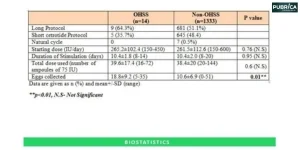
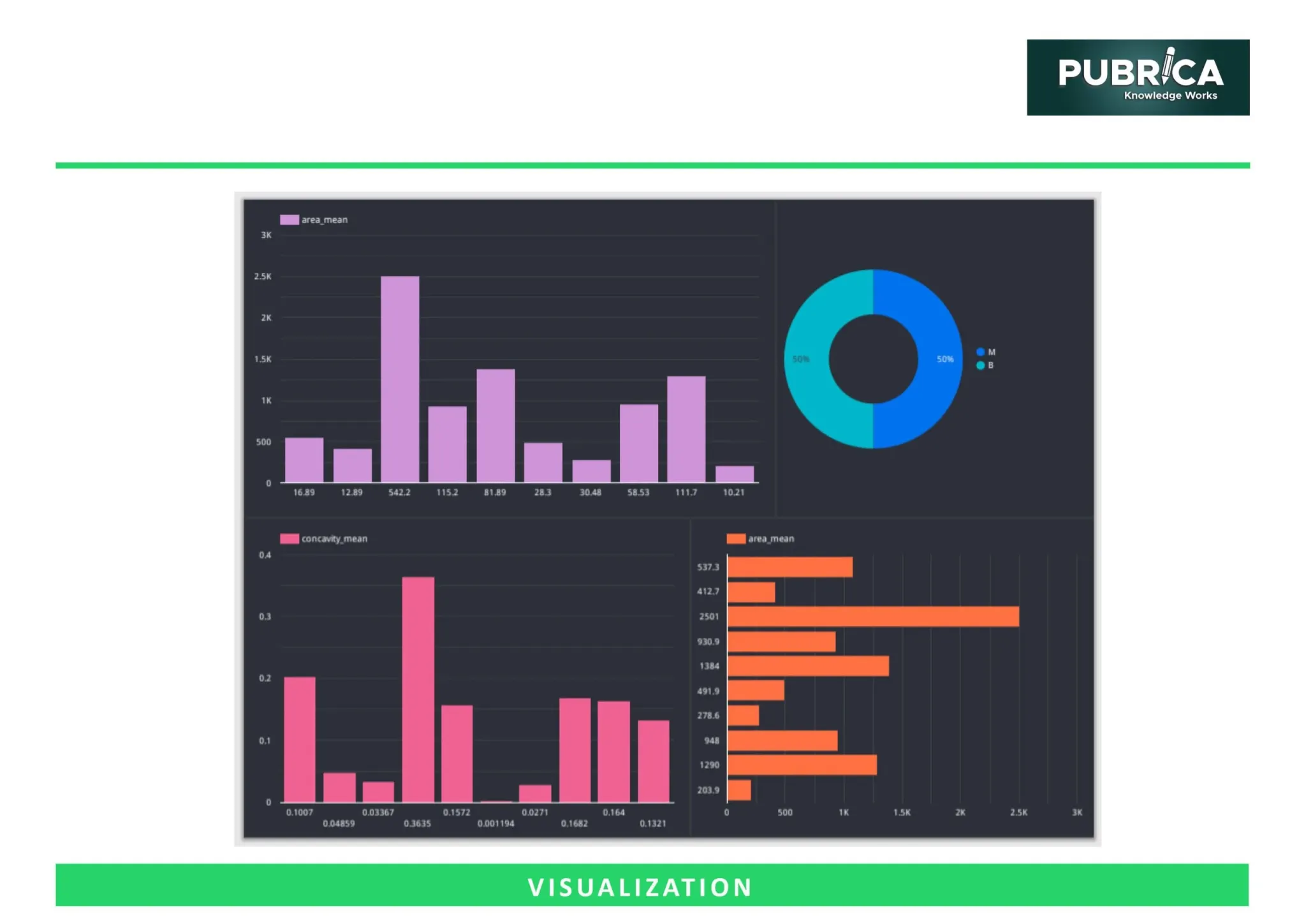
Tables and figures are a critical part of communicating your research, but how you format them is just as important as what you write about them. Here are some tips on how to present your research in the best way possible. [6]
- Descriptive Titles & Captions: Titles and captions should be descriptive and concise. Titles and captions should also provide sufficient information about the figure or table and any abbreviations used.
- Correct Size and Clarity: The size of your figures and tables should allow them to be legible without overcrowding the page; a high-quality image is necessary to make sure your figure or table is clear.
- Correct Numbering and Placement: Your tables and figures need to be numbered according to the reference within the text, as well as to each other throughout the document. When preparing for submission, it’s essential that figures and tables are formatted according to journal submission guidelines to avoid any rejection.
6. Manuscript Formatting Checklist
Before submission, ensure your manuscript meets the following:
- Page margins and spacing follow the journal’s specifications.
- All headings are formatted uniformly.
- Tables and figures have been placed in accordance with the instructions.
- All references are formatted accurately.
- All footnotes’ endnotes comply with the style manual.
On adhering to a checklist to structure your work, you will identify any errors at an early stage and, therefore, avoid delays. Following the author guidelines provided by the journal will also improve your chances of successful submission.
7. Benefits of Professional Formatting
Professional formatting offers clear advantages:
- Save Time: Let the experts format, while you focus on your research.
- Minimized Revision: Increased likelihood of meeting initial editorial standards.
- Enhanced Presentation: A professional appearance enhances the ease of reading.
All the above will greatly reduce the amount of time it takes to publish, particularly for a researcher just beginning their research career. By using a Journal Submission service, you ensure that your manuscript is ready for swift review and potential publication.
8. Tools and Resources for Formatting
Although professional services are invaluable, there are tools you can use to assist with formatting:
Tool | Functionality |
Reference Managers | Zotero and EndNote are reference managers which allow you to save and organise your references, as well as format them according to the citation style of your choice. |
Manuscript Formatting Software | LaTeX and a variety of journal-specific templates are manuscript formatting software that will keep you compliant with the specific proposal guidelines set out by different journals. |
Grammar & Style Checkers | Grammarly and Hemingway are both grammar and style checkers that will notify you if your writing has mistaken in its grammar or style. |
Turnitin and iThenticate are plagiarism detection software which can be used to ensure your research has not been plagiarised, and that it is original work. |
9. Handling Submission Errors
Avoid the common submission errors to ensure a smooth review process and increase your chances of acceptance

THE BOTTOM LINE
Formatting your manuscript is not just a cosmetic consideration; formatting is an essential part of successfully submitting an article to a journal. Whatever type of journal you are submitting to one with high impact factors or a specialty journal attention to detail will impact both your chances for acceptance, as well as how often you will need to go back and revise your manuscript before it is finally accepted for publication.
To make sure that all aspects are fully aligned with journal specifications, you may consider a pre submission peer review service to identify issues before submitting. In addition to formatting, manuscript editing services provide invaluable assistance in improving the language, grammar, and flow of your manuscript, which enhances its readability and impact.
Conclusion
Formatting a manuscript correctly is an important step in preparing for successful submission to journals. Following formatting requirements, either through research or software programs available, helps improve the organisation of your research paper and the likelihood of it being accepted and published quickly.
At Pubrica, we specialize in professional manuscript formatting services that ensure your research meets journal submission standards. Let our experts handle the details, so you can focus on your research! [Get Expert Publishing Support] or [Schedule a Free Consultation].
References
- APA formatting and style guide (7th edition) – Purdue OWL® – Purdue university. (n.d.). Purdue.edu. Retrieved December 16, 2025, fromhttps://owl.purdue.edu/owl/research_and_citation/apa_style/apa_formatting_and_style_guide/index.html
- Uniform requirements for manuscripts submitted to biomedical journals: Writing and editing for biomedical publication. (2010). Journal of pharmacology & pharmacotherapeutics, 1(1), 42–58. https://doi.org/10.1177/0976500×20100101
- Menon, V., Varadharajan, N., Praharaj, S. K., & Ameen, S. (2022). Why Do Manuscripts Get Rejected? A Content Analysis of Rejection Reports from the Indian Journal of Psychological Medicine. Indian journal of psychological medicine, 44(1), 59–65. https://doi.org/10.1177/0253717620965845
- Tullu M. S. (2019). Writing the title and abstract for a research paper: Being concise, precise, and meticulous is the key. Saudi journal of anaesthesia, 13(Suppl 1), S12–S17. https://doi.org/10.4103/sja.SJA_685_18
- Poldiak, N. P., & Crossley, N. (2025). How to Write a Successful Research Manuscript: Back to Basics. HCA healthcare journal of medicine, 6(2), 193–203. https://doi.org/10.36518/2689-0216.1715
- Uniform requirements for manuscripts submitted to biomedical journals: Writing and editing for biomedical publication. (2010). Journal of Pharmacology & Pharmacotherapeutics, 1(1), 42–58. https://doi.org/10.1177/0976500×20100101