
- Services
- Discovery & Intelligence Services
- Publication Support Services
- Sample Work
Publication Support Service
- Editing & Translation
-
Editing and Translation Services
- Sample Work
Editing and Translation Service
-
- Research Services
- Sample Work
Research Services
- Physician Writing
- Sample Work
Physician Writing Service
- Statistical Analyses
- Sample Work
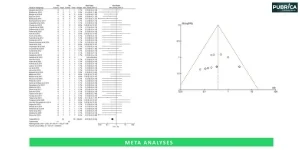
Statistical Analyses
- Data Collection
- AI and ML Services
- Sample Work

AI and ML Services
- Medical Writing
- Sample Work
Medical Writing
- Research Impact
- Sample Work
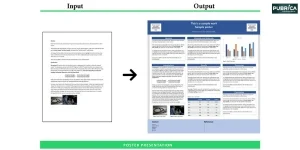
Research Impact
- Medical & Scientific Communication
- Sample Work
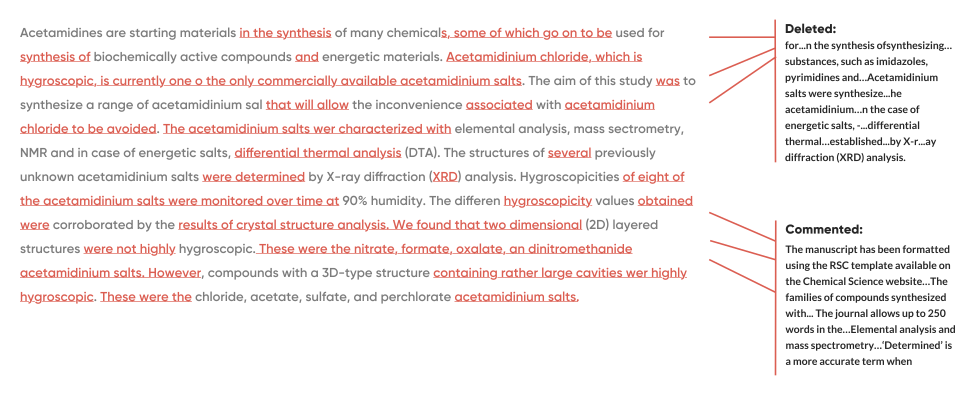
Medical & Scientific Communication
- Medico Legal Services
- Educational Content
- Academic Editorial Services
- Sample Work
Academic Editorial Services
- Educational Editorial Service
-
Education Editorial Services
- Sample Work
Education Editorial Services
-
- Industries
- Subjects
- About Us
- Academy
- Insights
- Contact Us
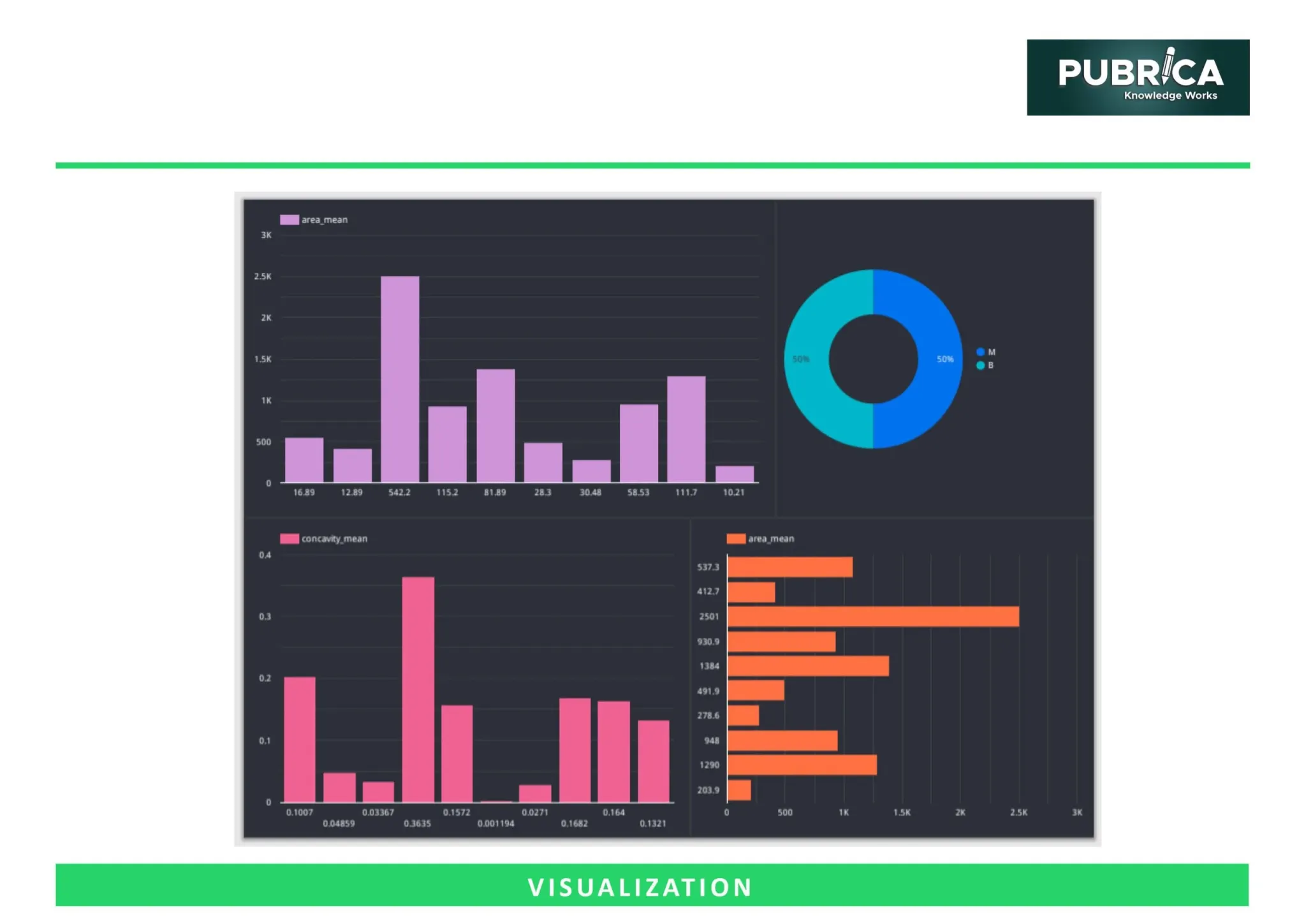
Effective Response to Reviewer Comments: A Guide for Researchers and Authors
- Home
- Academy
- Statistical analysis
- Effective Response to Reviewer Comments: A Guide for Researchers and Authors
High-Impact Journals
Interesting topics
Effective Response to Reviewer Comments: A Guide for Researchers and Authors
1. What is the Response to Reviewer?
2. Sample Response to Reviewer
3. Why Response to Reviewer Comments Services Are Important?
4. Components of Effective Response Services
5. Process Overview
6. Benefits of Using Response Services
7. Key Considerations
8. Example of Common Reviewer Feedback and Effective Responses
When responding to reviewers, please be courteous, address each comment individually, and maintain a professional tone. When you make changes to the manuscript, be sure to state them clearly as well as where they can be found in the revised document. If you disagree with a reviewer comment, be respectful and provide an evidence-based rationale. You may want to organize your response into a letter or table to distinguish reviewer comments from your response clearly. This approach aligns with academic publication, manuscript revisions, the peer review process, and professional writing services.
Responding to reviewer comments is a critical step in the academic publication process. A well-structured, professional response demonstrates your attention to detail, commitment to scholarly rigor, and respect for the peer review process. This guide outlines best practices, sample responses, and essential considerations for researchers seeking to enhance their manuscript revisions and acceptance rates. [1]
1. What Is a Response to Reviewer Comments?
Authors must respond formally in writing to peer review comments made after manuscript submission. The reviewer’s comments should be answered one-by-one with explanations of how the authors addressed the comment (via revisions), clarified misunderstandings, and referenced evidence-based justifications for changes made in response or for disagreeing with a reviewer. The author should demonstrate to the editor that they have made improvements to the manuscript and that it is now suitable for publication.[2]
- Sample 1: Detailed Response to Reviewer Comments
This sample demonstrates a thorough, point-by-point response to reviewer feedback, showing how to address both major and minor revisions. It includes clear references to page and line numbers, explanations of changes made, and justifications for each revision. The response maintains a professional tone and provides transparency for the reviewer, making it an excellent example for researchers preparing their own reply to letters.
- Sample 2: Concise Response to Review Comments
This sample offers a concise yet comprehensive response to reviewer comments, highlighting how to efficiently address feedback while maintaining clarity and professionalism. It is ideal for researchers who need to respond to multiple comments within tight deadlines, ensuring all points are acknowledged and resolved appropriately.
Sample / Example Response to Reviewer
Reviewer Comment:
(Page 5, Line 12) The methodology section lacks detail on the data analysis plan. Please clarify how you will analyze the collected data and justify your choice of statistical methods.
Response:
Thank you for your feedback. We have revised the methodology section on page 5, lines 12–18, to provide a more detailed explanation of our data analysis plan. The changes are as follows:
- Before: “We will use statistical methods to analyze the data.”
- After: “We will use a mixed-effects model to account for both fixed and random effects in our data. This approach is appropriate for our study design because it allows us to control for variability between subjects and repeated measures within subjects. We have also included a justification for our choice of statistical methods, referencing recent literature that supports the use of mixed-effects models in similar studies.”
Reason for Change:
We addressed this comment to ensure clarity and scientific rigor in our proposal. Providing a detailed data analysis plan and justifying our choice of statistical methods will strengthen the scientific foundation of our proposal and demonstrate our commitment to robust research practices.
2. Types of Reviewer Comments and Effective Responses
Reviewer Comment Type | Example Comment | Effective Response Approach |
Major Revision | The methodology is unclear. Please elaborate on the statistical analysis used. | Revise methodology, add details, reference literature, and justify changes. |
Minor Revision | Correct language and formatting errors. | Address promptly, note corrections, and thank the reviewer. |
Disagreement | Your conclusion is not supported by the data. | Respectfully explain the rationale, provide additional data or references if possible. |
3. Why Are Response to Reviewer Services Important?
- Clarity & Concise: A professional will rephrase any complex negative feedback into a more understandable and concise format.
- Time Sensitive: Professional support ensures responses are submitted within the journal’s specified timeframe to continue with the publication process.
- Comprehensive: A professional will identify every comment from reviewers and produce a thorough and well-organized response to each.
- Increase in Acceptance Rate: A professionally written response will enhance the probability of acceptance of a manuscript.
4. Components of Effective Response Services
- Reviewing Reviewer Comments: Identify key issues identified by the reviewer.
- Responding to Reviewer Comments: Write individualised responses to each comment, with justifications and explanations.
- Updating Manuscript for Reviewer Suggestions: Updating the manuscript according to recommendations made by reviewers.
- Checklist for Responding to Reviewer Comments: Using a checklist will ensure that the key steps of the response process have been addressed, including appreciating the reviewer for providing feedback, providing the reviewer with the same comment they submitted, addressing each point made by the reviewer, and checking your response for grammatical errors.[3]
- Mistakes to Avoid: By providing examples of the most frequent types of mistakes made by authors when responding to reviewer comments, such as failing to address every comment, being defensive in their response, and not providing evidence-based justifications, the author will be able to identify possible areas of improvement.
- Responding to Reviewer Comments that are Too Harsh or Unfair: Providing recommendations on how to professionally respond to reviewer comments that may appear too harsh or unfair, while remaining respectful and professional, will help all researchers who receive feedback from reviewers.
- Graphs or images are recommended for complicated studies; visual aids (such as charts, diagrams, and graphical abstracts), will clarify the changes made and help the reviewer understand how the changes will affect the whole paper.[4]
- Editorial Feedback: Responding to editorial feedback in addition to reviewer feedback will help provide a complete response to the reviewers. Alice needs to respond to reviewer comments with a professional tone and language. Review for clarity, grammar, and consistency after drafting a response.
5. Process Review
A service that offers help in responding to reviewer comments provides the following services:
Step | Description |
Submit the manuscript and reviewer comments. | |
Response Strategy | Devise a plan to address the main comments and necessary revisions. |
Response Drafting | Draft responses to each comment, including required manuscript revisions. |
Revisions | Update the manuscript with necessary changes based on feedback. |
Proofreading | Proofread responses for clarity, grammar, and consistency. |
Final Submission | Submit final responses and revised manuscript to the journal. |
6. Benefits of Using Response Services
Responding to reviewer comments is an important stage in the academic publication process. A well-informed reply makes sure that the reviewer is satisfied, and it demonstrates the researcher’s professionalism and attention to detail. Response services offer a variety of benefits:
- Professional Knowledge: Professionals with knowledge of medical writing, including the peer review process, offer helpful advice about how best to respond to reviewer comments.
- Time-Saver: Researchers conserve valuable time by outsourcing the job of writing responses to professionals.
- Professionalism: Researchers gain peace of mind knowing they are receiving responses that are professional and well-argued. While Professionals can help identify all reviewer comments and then write a comprehensive, well-structured reply. contributing to effective manuscript editing services
- Higher Impact: With more well-crafted responses, the manuscript is more likely to move through the peer-review process without further major revisions. leading to higher research support services.
7. Key Considerations
Although there are various advantages to utilizing a Response to Reviewer Comments Service, researchers should keep potential drawbacks in mind.
- Cost:Services may be expensive depending on manuscript complexity and number of comments.
- Confidentiality:Ensure the service maintains confidentiality of your manuscript and reviewer comments.
- Involvement:Researchers should remain engaged to ensure responses accurately reflect their knowledge.
8. Best Practices
The principles of writing rewrites are:
- Always start with thanking the Editor and Reviewers for their time and effort in reviewing the paper.
- Always restate each comment made by the Editor and Reviewers in the same manner as provided in the comments section, and respond to all comments, even though responses may have been made to only a portion of the comments.
- Always use the quotations of the revised text to demonstrate that the revisions made to the paper match the comments and suggestions made by the Editor and Reviewers.
- Responses to the Editor and Reviewers must be provided separately for each Reviewer and the Editor, to assist in the clarity of the responses.
9. Checklist for Responding to Reviewer Comments
- Express appreciation to all reviewers and editors.
- Quote back the individual aspects of each Reviewer comment.
- Respond completely to each issue raised by each Reviewer.
- Provide evidence and rationale for all changes made to the manuscript.
- Cite portions of the revised text that relate to each of the specific comments.
- Respond to all commenters individually and separately.
- Edit the responses to ensure clarity, accuracy, and correct grammar.
By including all these elements, your manuscript will be a much more useful tool to researchers who are navigating the peer-review process.[6]
Connect with us to explore how we can support you in maintaining academic integrity and enhancing the visibility of your research across the world!
Conclusion
Reviewer comments can be intimidating for researchers, yet services can help them address the comments, refine their manuscripts, and ultimately grow scholarly publications. These services offer specialized review and comprehensive thinking, and communication, with repeated edits assisting the researcher to be more successful with acceptance of their work for publication. Services are time-saving, leading to a higher quality response, and managing the peer review process will be much smoother. with research support services, response to reviewer comments, and medical journal submission assistance.
Effective Response to Reviewer Comments: A Guide for Researchers and Authors. Our Pubrica consultants are here to guide you. [Get Expert Publishing Support] or [Schedule a Free Consultation]
References
- Hidouri, S., Kamoun, H., Salah, S., Jellad, A., & Ben Saad, H. (2024). Key Guidelines for Responding to Reviewers. F1000Research, 13, 921. https://doi.org/10.12688/f1000research.154614.3
- Cushman M. (2023). How I respond to peer reviewer comments. Research and practice in thrombosis and haemostasis, 7(2), 100120. https://doi.org/10.1016/j.rpth.2023.100120
- Vishwanathan, K., Kambhampati, S. B. S., & Maini, L. (2022). Reviewer’s Checklists for Evaluating Scientific Manuscripts. Indian journal of orthopaedics, 56(2), 175–182. https://doi.org/10.1007/s43465-022-00602-x
- Slutsky D. J. (2014). The effective use of graphs. Journal of wrist surgery, 3(2), 67–68. https://doi.org/10.1055/s-0034-1375704
- Zyromski, N. J., & Stewart, D. (2025). How to review a manuscript for journal publication: A primer for surgery residents. Surgery Open Science, 23, 66–68. https://doi.org/10.1016/j.sopen.2024.12.007
- Noble W. S. (2017). Ten simple rules for writing a response to reviewers. PLoS computational biology, 13(10), e1005730. https://doi.org/10.1371/journal.pcbi.1005730