
- Services
- Discovery & Intelligence Services
- Publication Support Services
- Sample Work
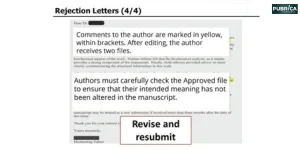
Publication Support Service
- Editing & Translation
-
Editing and Translation Services
- Sample Work

Editing and Translation Service
-
- Research Services
- Sample Work
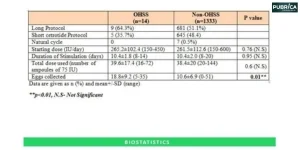
Research Services
- Physician Writing
- Sample Work
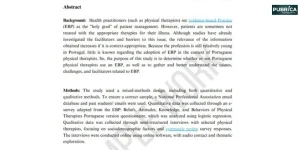
Physician Writing Service
- Statistical Analyses
- Sample Work
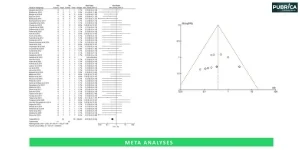
Statistical Analyses
- Data Collection
- AI and ML Services
- Sample Work

AI and ML Services
- Medical Writing
- Sample Work
Medical Writing
- Research Impact
- Sample Work
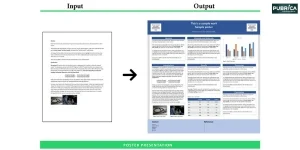
Research Impact
- Medical & Scientific Communication
- Sample Work
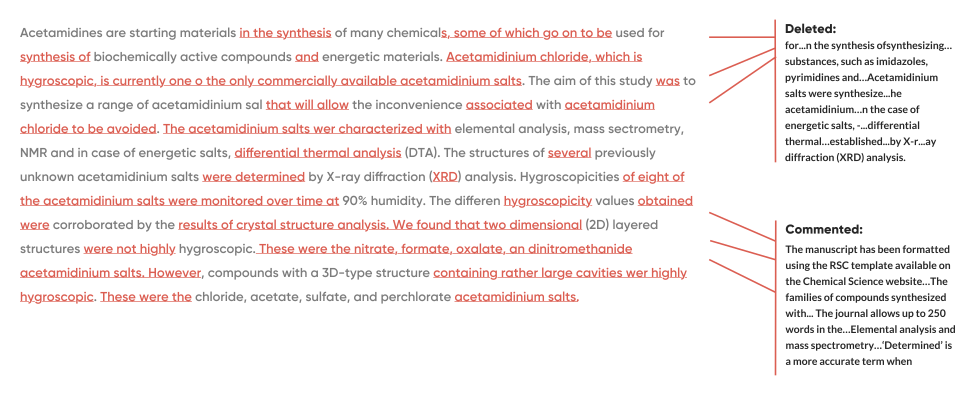
Medical & Scientific Communication
- Medico Legal Services
- Educational Content
- Academic Editorial Services
- Sample Work
Academic Editorial Services
- Educational Editorial Service
-
Education Editorial Services
- Sample Work
Education Editorial Services
-
- Industries
- Subjects
- About Us
- Academy
- Insights
- Contact Us
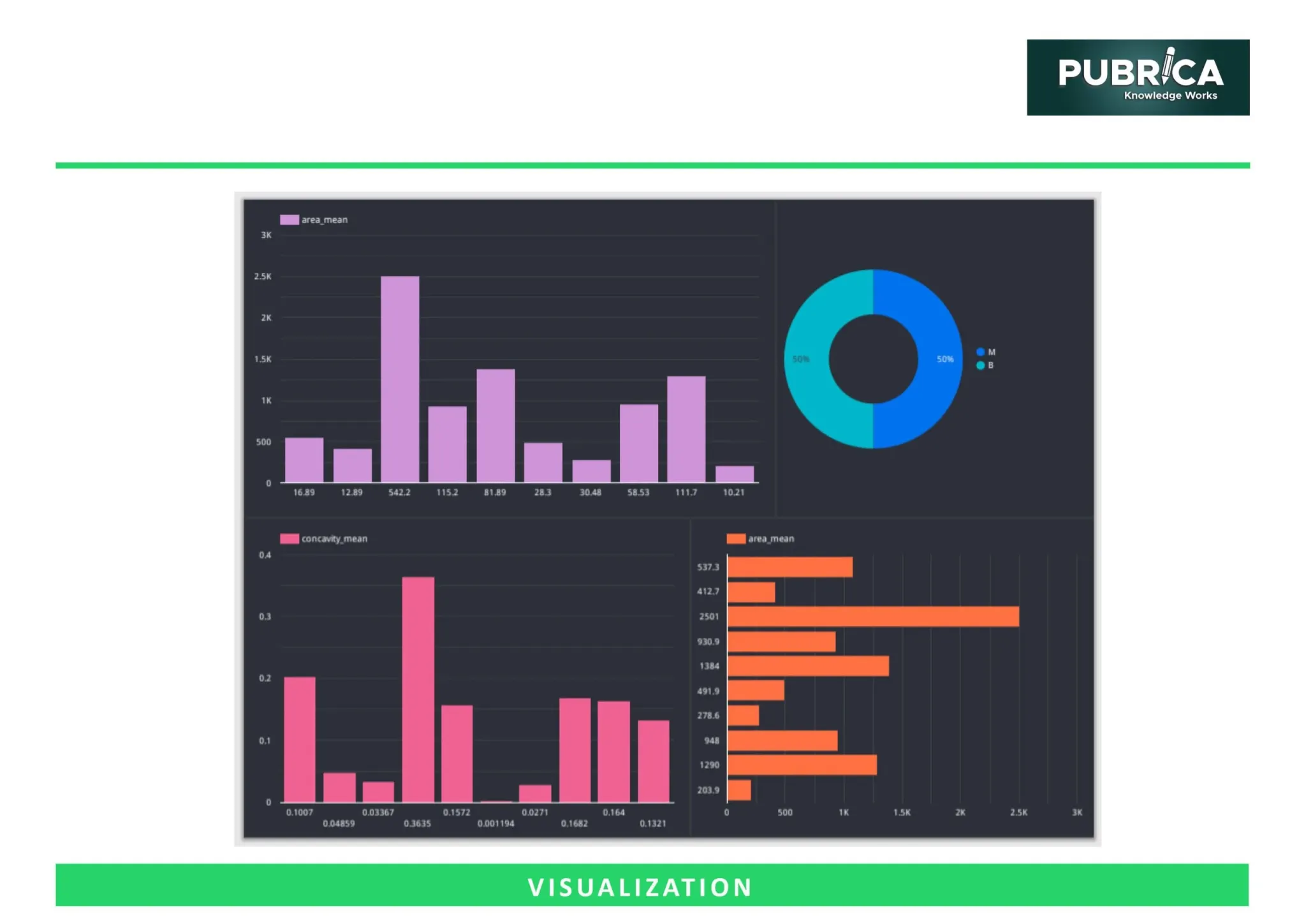
Research Abstract Formats Explained: A Guide for Academic Writing
- Home
- Academy
- Research Impact
- Research Abstract Formats Explained: A Guide for Academic Writing
High-Impact Journals
Interesting topics
Research Abstract Formats Explained: A Guide for Academic Writing
The research abstract can be considered one of the most significant parts of an academic paper. The research abstract writing process accompanies either a thesis or dissertation, a journal article, or a conference paper. This part usually serves as a brief overview of the entire paper. Moreover, the research paper abstract is typically the first part that is read either by a supervisor or by a researcher who wants to learn more about your research.[1]
Thus, it is extremely important to know about various research abstract formats that are used today in academia. Choosing an appropriate scientific abstract format usually depends on several factors, including your subject matter and the type of publication required by the university or a certain publication.
1. What Is a Research Abstract?
A research abstract serves as a short overview of a full-length piece of academic writing that is normally from 150 to 300 words in length, following standard abstract word limit guidelines. An abstract offers readers a glimpse at the research done so that they know whether the article is relevant to their purpose.[2]
Some main functions of an abstract include:
- The description of the topic
- The statement of the aims of the research
- The explanation of the methodology used
- The mention of the findings obtained
- The indication of the importance of the research done.
2. Why Abstract Format Matters
Structure of the abstract determines its readability and professionalism. Poorly written abstracts might mislead readers and could not be accepted by certain institutions. Following a proper academic writing structure examples improves clarity and effectiveness.[3]
Advantages of using a correct structure for the abstract:
- Contributes to improved readability and coherence
- Meets the necessary criteria of the publisher/academy
- Likely increases chances of getting published
- Facilitates searching for literature on a particular subject
- Displays skills in writing papers according to the standards of academia
- Abstract structures might vary from discipline to discipline.
While scientific journals usually need structured abstracts, humanities papers might include descriptive abstracts.
3. Common Research Abstract Formats

3.1 Major Abstract Formats
Format Type | Description | Common Use |
Descriptive Abstract | Summarises topic and scope without detailed findings | Humanities, essays |
Informative Abstract | Includes purpose, methods, results, and conclusion | Sciences, social sciences |
Structured Abstract | Uses labelled headings such as Aim, Methods, Results | Medical and journal papers |
Critical Abstract | Evaluates strengths or limitations of the study | Review articles |
Conference Abstract | Summary submitted for academic events | Conferences |
Descriptive Abstract: This type of abstract tells you what is being discussed in the study, but not much about how the study was conducted or its outcomes.
Informative Abstract: The most common style for academic writing. Provides an overview of the whole research project.
Structured Abstract
- Background
- Objective
- Methods
- Results
- Conclusion
Critical Abstract: Analysis or critique of the research, in addition to a summary.
Conference Abstract: Shorter, usually 150-250 words.
4. Key Elements of an Effective Abstract
In any format, good abstracts typically include the following components:
- Background: The significance of the topic
- Aim: Objectives of the study
- Methodology: Approach to conducting the research
- Results: Significant findings
- Conclusion: Significance of the findings
A good flow would be: Problem → Objective → Method → Findings → Significance. This acts as a step-by-step guide to academic abstract writing. [4]
5. Common Mistakes to Avoid
Many students lose marks or have their work rejected owing to common avoidable mistakes made in abstract writing.
Some of these include:
- Provision of unnecessary background information
- Mentioning citations/references in the abstract
- Lack of clarity regarding methods or results
- Specialised jargon not explained
- Word count exceeded abstract word limit guidelines
- Use of sentences copied verbatim from the body of the essay
The abstract must be clear and stand-alone.
6. Practical Tips for Writing Strong Abstracts
How to make an abstract better: [6]
- Compose the abstract only when you have completed writing your paper entirely.
- Observe the word count precisely.
- Stick to formal academic language.
- Use only significant information.
- Keep editing until it is satisfactory.
- Have someone else go through it before submitting.
Reading excellent research abstract format with example for students from journals can provide insight into what abstracts should contain.
Connect with us to explore how we can support you in maintaining academic integrity and enhancing the visibility of your research across the world!
Conclusion
Knowing how to write research abstracts is a crucial academic skill. Students who are writing their dissertations or theses should consider which type of research abstract format is appropriate for them according to their subjects. An effective abstract will be succinct, logical, and informative. Mastering abstract writing guide principles, including descriptive, informative, critical, or structured formats, will help make your research more credible.
Research Abstract Formats Explained: A Guide for Academic Writing. Our Pubrica consultants are here to guide you. [Get Expert Publishing Support] or [Schedule a Free Consultation]
References
- Nagda S. (2013). How to Write a Scientific Abstract. The Journal of the Indian Prosthodontic Society, 13(3), 382–383. https://doi.org/10.1007/s13191-013-0299-x
- Structured abstracts. (2008, May 20). U.S. National Library of Medicine. https://www.nlm.nih.gov/bsd/policy/structured_abstracts.html
- Litvan I. (2024). Why Crafting a Compelling Abstract Is Important to Summarize Research Findings. Movement disorders clinical practice, 11 Suppl 3(Suppl 3), S42–S44. https://doi.org/10.1002/mdc3.14091
- Bahadoran, Z., Mirmiran, P., Kashfi, K., & Ghasemi, A. (2020). The Principles of Biomedical Scientific Writing: Abstract and Keywords. International journal of endocrinology and metabolism, 18(1), e100159. https://doi.org/10.5812/ijem.100159
- Andrade C. (2011). How to write a good abstract for a scientific paper or conference presentation. Indian journal of psychiatry, 53(2), 172–175. https://doi.org/10.4103/0019-5545.82558