
- Services
- Discovery & Intelligence Services
- Publication Support Services
- Sample Work
Publication Support Service
- Editing & Translation
-
Editing and Translation Services
- Sample Work
Editing and Translation Service
-
- Research Services
- Sample Work
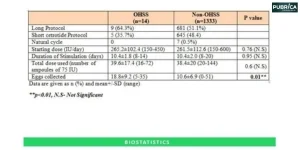
Research Services
- Physician Writing
- Sample Work
Physician Writing Service
- Statistical Analyses
- Sample Work
Statistical Analyses
- Data Collection
- AI and ML Services
- Sample Work
AI and ML Services
- Medical Writing
- Sample Work
Medical Writing
- Research Impact
- Sample Work
Research Impact
- Medical & Scientific Communication
- Sample Work
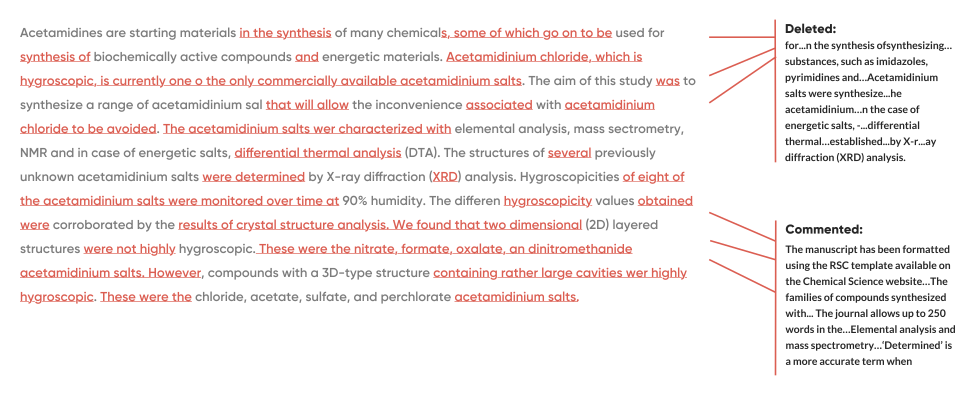
Medical & Scientific Communication
- Medico Legal Services
- Educational Content
- Academic Editorial Services
- Sample Work
Academic Editorial Services
- Educational Editorial Service
-
Education Editorial Services
- Sample Work
Education Editorial Services
-
- Industries
- Subjects
- About Us
- Academy
- Insights
- Contact Us
Discovery and Intelligence in Drug Development: From Early Research to Market Strategy
- Home
- Academy
- Poster Presentation
- Discovery and Intelligence in Drug Development: From Early Research to Market Strategy
Research Impact
- What Is Discovery Intelligence in Drug Development?
- Discovery Intelligence for Early-Stage Research and Target Identification
- Competitive Landscape and Pipeline Intelligence
- Evidence Mapping to Support Preclinical and Translational Decisions
- Informing Clinical Development and Regulatory Strategy
- Discovery Intelligence for Market Strategy and Commercial Planning
- Turning Discovery Data into Actionable Strategic Intelligence
Interesting topics
Discovery and Intelligence in Drug Development: From Early Research to Market Strategy
1. What Is Discovery Intelligence in Drug Development?
2. Discovery Intelligence for Early-Stage Research and Target Identification
3. Competitive Landscape and Pipeline Intelligence
4. Evidence Mapping to Support Preclinical and Translational Decisions
5. Informing Clinical Development and Regulatory Strategy
6. Discovery Intelligence for Market Strategy and Commercial Planning
7. Turning Discovery Data into Actionable Strategic Intelligence
Discovery Intelligence (DI) in drug development uses AI and data analytics to accelerate and optimize the entire pipeline, from identifying targets and designing molecules in early research, to streamlining clinical trials and informing market strategy by predicting success, reducing costs, and personalizing therapies, moving beyond traditional slow methods to create safer, more effective drugs faster.
This approach is increasingly aligned with AI-Driven Drug Discovery and Development, where computational intelligence enhances decision-making across the entire Drug Discovery and Development Process. Discovery intelligence has emerged as a strategic approach that integrates scientific evidence, competitive data, and analytics to support informed decision-making across the drug development lifecycle—from early discovery to market strategy [1,2].Discovery intelligence functions as a core component of Pharmaceutical R&D Intelligence, enabling organizations to transform large volumes of data into actionable insights.
Discovery and intelligence refers to the integration of artificial intelligence (AI), data science, and machine learning to accelerate the identification of novel insights, patterns, and solutions within vast datasets. While the term is broadly used across various industries, it is most prominent in pharmaceuticals, eDiscovery, and enterprise data management.
1. What Is Discovery and Intelligence in Drug Development?
Discovery intelligence is a methodical approach to collecting multiple forms of research data and combining them into a single dataset [3]. When supported by Pharmaceutical R&D Analytics Software, discovery intelligence enables scalable data integration, advanced analytics, and cross-functional visibility across R&D programs.
Key Elements include:

Modern Drug Development Intelligence Solutions increasingly embed AI in Drug Development workflows to analyze these diverse data sources efficiently. In contrast to the traditional method of data collection, which is focused on collecting isolated pieces of information, discovery intelligence is focused more on collecting contextually relevant insights that allow for trend analysis and strategy development.
2. Discovery intelligence for early-stage research and target identification
Researchers’ early discovery decisions shape success later in drug development. Discovery intelligence allows research teams to efficiently identify high-potential targets for drug development while at the same time minimizing duplication of efforts [4]. Through Machine Learning in Drug Discovery, discovery intelligence supports Target Identification and Lead Optimization by analysing biological pathways, molecular interactions, and historical research outcomes. Some of the most common utilizations of discovery intelligence are the following:
- Mapping out the biological pathways involved in the target disease.
- Determining whether a target is novel and has been validated as a valid target for use.
- Identifying what the current therapeutic areas do not cover and what targets may represent an opportunity to develop new therapies for patients
By reviewing data available globally, discovery intelligence provides organizations with the ability to select only those targets that have the most feasibility in translating into new drugs [5]
NOTE:
- Integration in Mixed Methods Research is a defining feature of methodological rigor and distinguishes true mixed methods studies from parallel reporting.
- Effective Qualitative and Quantitative Integration ensures that findings are meaningfully connected rather than interpreted in isolation.
- Explicit reporting of Mixed Methods Data Collection and Analysis further supports reproducibility and critical appraisal.
3. Competitive Landscape and Pipeline Intelligence
It is essential to understand the competitive environment prior to moving forward with a drug candidate. Discovery intelligence provides a thorough understanding of the therapy environment, giving an understanding of the competitive landscape [6]. AI Drug Discovery Platforms increasingly support this analysis by continuously monitoring competitor pipelines, patent filings, and scientific disclosures. With this information comes the opportunity to develop strategic insights such as:
- Competitors’ pipelines (both active and discontinued)
- Patent landscape and freedom to operate considerations
- Therapeutic class saturation and density of innovation
Intelligence Area | Strategic Value |
Pipeline Mapping | Identifies competitive positioning |
Patent Analysis | Reduces IP and legal risk |
Therapy Benchmarking | Highlights differentiation opportunities |
Market Trend Analysis | Anticipates future competition |
By integrating pipeline, patent, and market trend intelligence early, organizations can reduce strategic blind spots, minimize IP-related risks, and avoid late-stage competitive conflicts.
4. Evidence Mapping to Support Preclinical and Translational Decisions
Discovery intelligence uses evidence mapping to visually represent findings from both preclinical and early clinical studies, and serve as an analytic summary of the findings[7]. Predictive Analytics in Drug Development further enhances evidence mapping by identifying patterns associated with translational success or failure. Evidence mapping offers many benefits to those interested in drug development and includes:
- Help identify strengths and gaps in the existing body of evidence.
- Assess the extent to which results are reproducible and consistent among laboratories.
- Support “Go No Go” decisions prior to entering development stage (at large expense).
In addition, evidence mapping supports translational science by assisting researchers in linking lab-based findings with potential clinical applications.
5. Informing Clinical Development and Regulatory Strategy
Discovery intelligence plays a growing role in clinical development planning by learning from historical trial data and regulatory precedents [5]. AI in Drug Development enables advanced analysis of historical trial datasets to improve protocol design, endpoint selection, and regulatory alignment. Key contributions include:
- Analysing previous trial designs and endpoints
- Understanding regulatory expectations across regions
- Identifying patient populations and unmet needs
The impact of discovery intelligence extends beyond early research, influencing decisions at every stage of drug development. When applied systematically, it provides stage-specific insights that reduce uncertainty and improve development efficiency.
Development Stage | Intelligence Application |
Discovery | Target validation and novelty assessment |
Preclinical | Evidence synthesis and risk assessment |
Clinical | Trial design optimization |
Regulatory | Precedent and evidence expectation analysis |
Market | Competitive positioning and access strategy |
6. Discovery Intelligence for Market Strategy and Commercial Planning
Discovery intelligence does not simply provide product approval but also provides direction on developing the appropriate evidence to support the market-driven strategic plans defined by payers and the HTA (health technology assessment) process within those plans. As part of comprehensive Drug Development Intelligence Solutions, discovery intelligence ensures that evidence generation aligns with reimbursement and access requirements. The strategic use of discovery intelligence helps understand:
- The current requirements for Comparative effectiveness
- The analytic and clinical gaps
- The Differentiation value proposition strategy.
Anticipating challenges in accessing a market through ‘market intelligence’ of discovery intelligence allows organisations to structure their development processes better to ensure successful long-term commercialisation.
7. Turning Discovery Data into Actionable Strategic Intelligence
The essence of discovery intelligence is not data capture but the effective integration of data into all relevant business functions. Advanced Pharmaceutical R&D Analytics Software enables this integration by connecting scientific, clinical, and commercial intelligence across teams. Successful implementation of discovery intelligence includes:
- The integration of advanced analytics and human intelligence [3];
- The incorporation of current intelligence throughout the entire lifecycle of the product.
- Communication and collaboration between Research and Development, Regulations, and Commercial teams.
This ensures insights are translated into an actionable strategy rather than static reports.
Connect with us to explore how we can support you in maintaining academic integrity and enhancing the visibility of your research across the world!
Conclusion
Discovery Intelligence as a Strategic Asset In today’s rapidly changing pharmaceutical landscape, the use of discovery intelligence is critical for success. Discovery Intelligence is an integrated process that combines scientific evidence, competitive insights and strategic analytics into one coherent framework to help inform strategic decision making and reduce overall drug development risk & improve drug lifecycle alignment (i.e., research, regulatory & market strategies). By embedding AI-Driven Drug Discovery and Development capabilities across the Drug Discovery and Development Process, organizations can accelerate innovation while improving efficiency and sustainability. Organizations that are using di throughout their drug development lifecycle position themselves to be more innovative and sustainable in competing.
Accelerate smarter drug development with Pubrica’s AI-driven Discovery Intelligence solutions—transform data into actionable insights across the R&D lifecycle. [Get Expert Publishing Support] or [Schedule a free Consultation].
References
- Paul, S. M., Mytelka, D. S., Dunwiddie, C. T., Persinger, C. C., Munos, B. H., Lindborg, S. R., & Schacht, A. L. (2010). How to improve R&D productivity: the pharmaceutical industry’s grand challenge. Nature reviews. Drug discovery, 9(3), 203–214. https://doi.org/10.1038/nrd3078
- Scannell, J. W., Blanckley, A., Boldon, H., & Warrington, B. (2012). Diagnosing the decline in pharmaceutical R&D efficiency. Nature reviews. Drug discovery, 11(3), 191–200. https://doi.org/10.1038/nrd3681
- Morgan, P., Brown, D. G., Lennard, S., Anderton, M. J., Barrett, J. C., Eriksson, U., Fidock, M., Hamrén, B., Johnson, A., March, R. E., Matcham, J., Mettetal, J., Nicholls, D. J., Platz, S., Rees, S., Snowden, M. A., & Pangalos, M. N. (2018). Impact of a five-dimensional framework on R&D productivity at AstraZeneca. Nature Reviews. Drug Discovery, 17(3), 167–181. https://doi.org/10.1038/nrd.2017.244
- Arrowsmith, J., & Miller, P. (2013). Trial watch: phase II and phase III attrition rates 2011-2012: Trial Watch. Nature Reviews. Drug Discovery, 12(8), 569. https://doi.org/10.1038/nrd4090
- Hay, M., Thomas, D. W., Craighead, J. L., Economides, C., & Rosenthal, J. (2014). Clinical development success rates for investigational drugs. Nature biotechnology, 32(1), 40–51. https://doi.org/10.1038/nbt.2786
- Schuhmacher, A., Gassmann, O., & Hinder, M. (2016). Changing R&D models in research-based pharmaceutical companies. Journal of translational medicine, 14(1), 105. https://doi.org/10.1186/s12967-016-0838-4
- Ioannidis, J. P. A. (2005). Why most published research findings are false. PLoS Medicine, 2(8), e124. https://doi.org/10.1371/journal.pmed