
- Services
- Discovery & Intelligence Services
- Publication Support Services
- Sample Work
Publication Support Service
- Editing & Translation
-
Editing and Translation Services
- Sample Work

Editing and Translation Service
-
- Research Services
- Sample Work
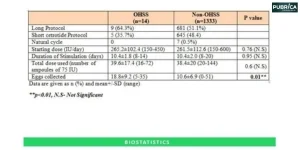
Research Services
- Physician Writing
- Sample Work
Physician Writing Service
- Statistical Analyses
- Sample Work
Statistical Analyses
- Data Collection
- AI and ML Services
- Sample Work
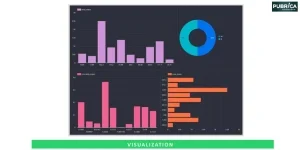
AI and ML Services
- Medical Writing
- Sample Work
Medical Writing
- Research Impact
- Sample Work
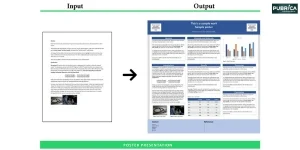
Research Impact
- Medical & Scientific Communication
- Sample Work
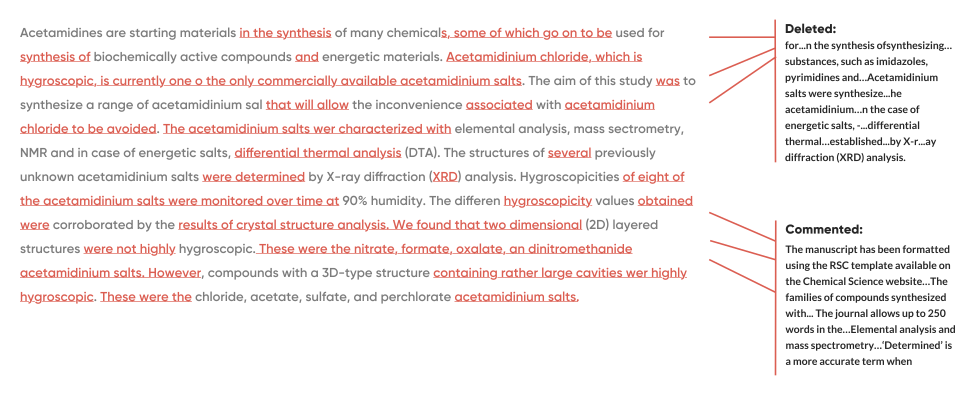
Medical & Scientific Communication
- Medico Legal Services
- Educational Content
- Academic Editorial Services
- Sample Work
Academic Editorial Services
- Educational Editorial Service
-
Education Editorial Services
- Sample Work
Education Editorial Services
-
- Industries
- Subjects
- About Us
- Academy
- Insights
- Contact Us
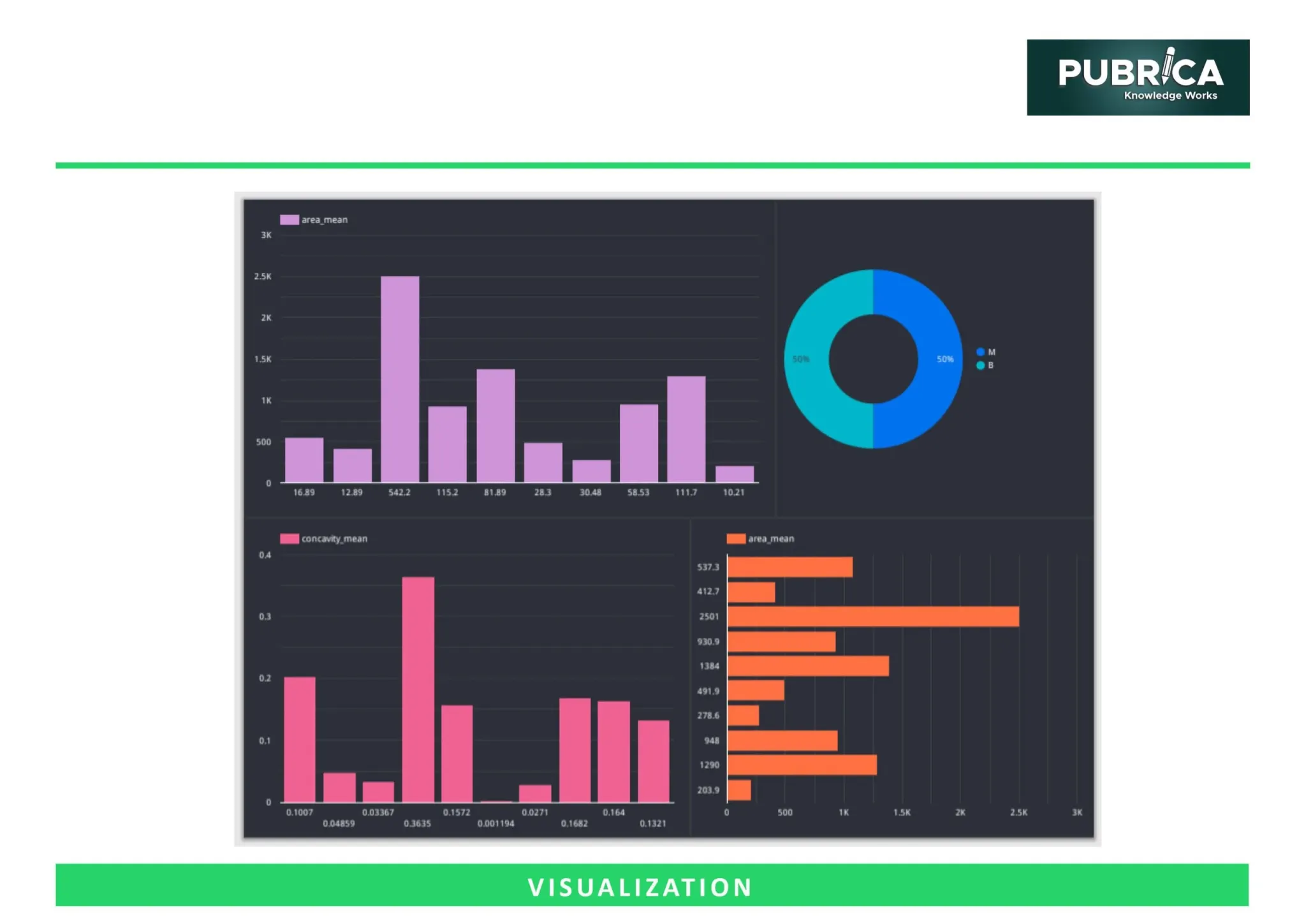
Managing Bias in Data Collection: Strategies for More Representative and Reliable Data
- Home
- Academy
- Poster Presentation
- Managing Bias in Data Collection: Strategies for More Representative and Reliable Data
Research Impact
- Understanding Bias
- Types of Data Collection Bias
- Sampling Bias: Causes and Prevention
- Investigator and Observer Bias in Data Collection
- Question Wording Bias and Measurement Errors
- Techniques for Neutral and Inclusive Data Collection
- Technology-Driven Bias in Modern Data Collection
- Statistical and Operational Controls for Bias Reduction
Interesting topics
Managing Bias in Data Collection: Strategies for More Representative and Reliable Data
1. Understanding Bias
2. Types of Data Collection Bias
3. Sampling Bias: Causes and Prevention
4. Investigator and Observer Bias in Data Collection
5. Question Wording Bias and Measurement Errors
6. Techniques for Neutral and Inclusive Data Collection
7. Technology-Driven Bias in Modern Data Collection
8. Statistical and Operational Controls for Bias Reduction
Managing bias in data collection requires ensuring data is representative, using rigorous, standardized methodologies, and fostering transparency to prevent skewed, non-representative results. Key actions include using random or stratified sampling to avoid selection bias, diversifying data sources, utilizing blinded, neutral research methods, and implementing regular, ethical audits.
Managing bias in data collection is a foundational requirement for achieving representative data collection and maintaining research data quality across disciplines. Data-driven choices depend on the accuracy of their underlying data. This implies that any biases in the data collection process may diminish the quality of the data and lead to false findings and conclusions in all areas including research, healthcare, social sciences, and business analytics. Therefore, it is very important to properly manage any type of bias associated with data collection in order to maintain accuracy, inclusivity, and reproducibility of research findings. Reducing bias in data collection directly supports unbiased data gathering methods and strengthens confidence in enterprise data analytics solutions.
In this article, we identify some of the most common biases related to data collection and present several practical ways to reduce their effect on data collection outcomes. These approaches align with widely accepted bias mitigation strategies used in modern data collection methods.
What is Bias?
Bias is a disproportionate, often unfair, preference or inclination for or against a person, group, idea, or thing, typically resulting in a lack of objectivity. It involves systematic errors in thinking, judgment, or data analysis that deviate from the truth or neutrality. Biases can be conscious or unconscious, learned or innate.
1. Understanding Bias
Data Collection Bias is defined by systematic errors that lead to the collection of data that does not represent the true population of interest. Unlike random error, data collection bias leads to a consistent misdirection of results, thereby affecting both internal and external validity.[1] Representative data collection is essential to prevent such systematic errors and ensure long-term research data quality.
2. Types of Data Collection Bias:
The most common forms of bias encountered during data collection are outlined below
| Bias Type | Description | Example |
| Sampling Bias | Non-representative sample selection | Online surveys excluding older adults |
| Interviewer Bias | Researcher influences responses | Leading tone during interviews |
| Question Wording Bias | Poor phrasing affects answers | Loaded or ambiguous questions |
| Observer Bias | Subjective outcome assessment | Expectation-driven scoring |
Sampling bias in research remains one of the most significant challenges affecting data accuracy and generalizability.
3. Sampling Bias: Causes and Prevention
When creating datasets, you should be aware of potential sampling bias [The unequal representation of certain groups in a dataset]. Some common methods which can lead to sampling bias include:
- Utilising convenience sampling as a method of recruiting participants
- Obtaining low response rates from potential study participants
- Not being able to access hard-to-reach populations
To address issues associated with sampling bias, researchers can take the following steps:
- Utilise probability-based sampling methodologies
- Clearly define the parameters of inclusion and exclusion criteria for potential study participants
- Continually monitor recruitment demographics of the study sample space.
Ascertainment bias may also occur when certain populations are more likely to be identified or included due to the data collection process itself.
4. Investigator and Observer Bias in Data Collection
Interviewer bias takes place when a researcher influences a participant’s response through the researcher’s verbal and non-verbal communication (e.g., tone of voice, facial expressions, posture, sending signals, etc.) that occurs at all times while the researcher is conducting an interview.[2] In contrast, observer bias occurs when a researcher’s expectations influence how an observation is recorded or interpreted. Ways to reduce interviewer and observer bias:
- Standardized training for interviewers.
- Using a structured questionnaire format.
- Using blind methods of data collection.
These controls contribute to unbiased data gathering methods and improved research data quality.
5. Question Wording Bias and Measurement Errors
Responses may be influenced by poorly constructed questions that might create bias (e.g., social desirability bias or response bias)[3]. Examples of poorly constructed questions include leading questions; double-barrelled questions; and emotionally charged words. Best practices to reduce this effect include
- Using neutral, simple language;
- Doing pilot testing of questionnaires; and
- Using validated measures.
Data quality management tools can assist researchers in identifying inconsistencies and measurement-related bias early in the process.
6. Techniques for Neutral and Inclusive Data Collection
By utilizing inclusive data collection practices, we can ensure that many different perspectives are included, thus reducing the impact of systemic bias.[4] Effective data
collection software supports inclusive and standardized data collection methods at scale.
Examples of key inclusive data collection strategies include:
- Using culturally appropriate survey designs
- Using multilingual data collection tools
- Using accessible formats for individuals with disabilities
- Utilizing community engagement for recruiting participants.
7. Technology-Driven Bias in Modern Data Collection
Although digital tools increase productivity, there is a risk of introducing bias through algorithmic filters, platform access limitations, and digital literacy gaps.[5]. Risk areas include:
- Online-only surveys
- Automated data capture technology
- Artificial Intelligence driven participant screening
Enterprise data analytics solutions must be carefully designed to prevent technology-driven bias from affecting decision-making outcomes.
8. Statistical and Operational Controls for Bias Reduction
Continuous monitoring and statistical adjustment can assist in identifying any remaining bias before or after data is collected. [6] Common methods include:
- Weight adjustments
- Sensitivity analyses
- Audit & validation of data
Potential sources of bias and recommended mitigation strategies across the data collection lifecycle are presented below.
Stage | Potential Bias | Mitigation Strategy |
Planning | Sampling bias | Stratified sampling |
Instrument Design | Question bias | Cognitive testing |
Data Collection | Interviewer bias | Standardized protocols |
Post-Collection | Non-response bias | Statistical weighting |
Data analytics consulting services often support organizations in implementing these statistical and operational controls effectively.
THE BOTTOM LINE:
Effective bias management is not a single step but a continuous process spanning study design, data collection, and post-collection analysis. Integrating methodological rigor with ethical and statistical controls is critical for producing trustworthy data.
Connect with us to explore how we can support you in maintaining academic integrity and enhancing the visibility of your research across the world!
Conclusion
The initial and most important step for the reliability of research results and the appropriate selection of data is the management of the biases associated with the collection of data. The management of bias also improves the quality of the data itself. Additionally, the proactive management of bias in the collection of data increases statistical validity and confidence in the findings and practical use of the findings. Adopting structured bias mitigation strategies ensures long-term improvements in research data quality and organizational decision-making.
From sampling design to analytics, Pubrica helps reduce bias and improve research data quality.[Get Expert Publishing Support] or [Schedule a Free Consultation].
References
- Rothman, K. J., Greenland, S., & Lash, T. L. (2008). Modern epidemiology(3rd ed.). Wolters Kluwer Health/Lippincott Williams & Wilkins. https://catalog.nlm.nih.gov/
- Harling, G., Chanda, M. M., Ortblad, K. F., Mwale, M., Chongo, S., Kanchele, C., Kamungoma, N., Barresi, L. G., Bärnighausen, T., & Oldenburg, C. E. (2019). The influence of interviewers on survey responses among female sex workers in Zambia. BMC Medical Research Methodology, 19(1), 60. https://doi.org/10.1186/s12874-019-0703-2
- What is response bias and how can you avoid it?(n.d.). Qualtrics. Retrieved January 27, 2026, from https://www.qualtrics.com/articles
- Hernandez, I., Nuñez, V., Reynaga, L., Stewart, K., Hernandez-Castro, I., Maldonado, L. E., Corona, K., Aung, M., Knapp, E. A., Fuselier, G., Douglas, C., Vega, C. V., Faro, E., Frosch, R. M., Lewis, J., Croen, L. A., Dunlop, A. L., Ganiban, J., Keenan, K., … Environmental influences on Child Health Outcomes. (2025). Non-inclusive language in human subjects questionnaires: addressing racial, ethnic, heteronormative, and gender bias. BMC Public Health, 25(1), 3708. https://doi.org/10.1186/s12889-025-25038-4
- Mehrabi, N., Morstatter, F., Saxena, N., Lerman, K., & Galstyan, A. (2022). A survey on bias and fairness in machine learning. ACM Computing Surveys, 54(6), 1–35. https://doi.org/10.1145/3457607
- Hernán, M. A., Hernández-Díaz, S., & Robins, J. M. (2004). A structural approach to selection bias. Epidemiology (Cambridge, Mass.), 15(5), 615–625. https://doi.org/10.1097/01.ede.