
- Services
- Discovery & Intelligence Services
- Publication Support Services
- Sample Work
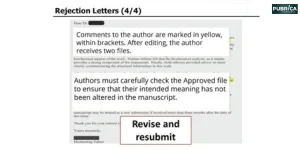
Publication Support Service
- Editing & Translation
-
Editing and Translation Services
- Sample Work

Editing and Translation Service
-
- Research Services
- Sample Work

Research Services
- Physician Writing
- Sample Work
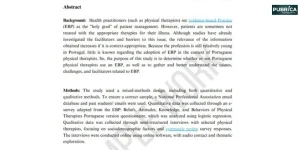
Physician Writing Service
- Statistical Analyses
- Sample Work

Statistical Analyses
- Data Collection
- AI and ML Services
- Sample Work
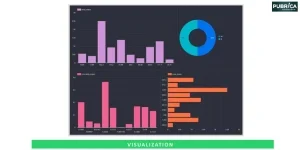
AI and ML Services
- Medical Writing
- Sample Work
Medical Writing
- Research Impact
- Sample Work
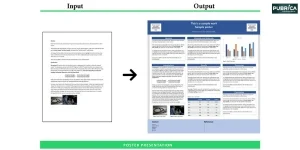
Research Impact
- Medical & Scientific Communication
- Sample Work
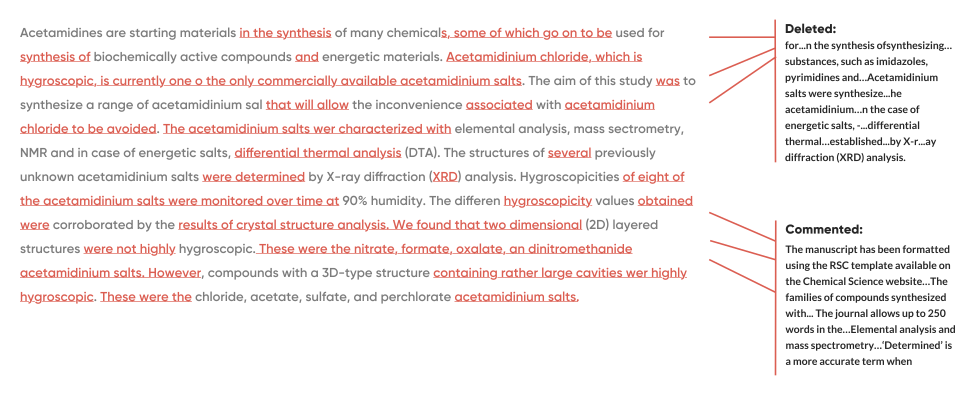
Medical & Scientific Communication
- Medico Legal Services
- Educational Content
- Academic Editorial Services
- Sample Work
Academic Editorial Services
- Educational Editorial Service
-
Education Editorial Services
- Sample Work
Education Editorial Services
-
- Industries
- Subjects
- About Us
- Academy
- Insights
- Contact Us
Targeted literature searches are a fundamental part of writing clinical manuscripts that will meet the standards of high-quality journals and contribute meaningfully to evidence-based practice. When physicians write clinical manuscripts, utilizing a targeted literature search can identify high-quality, relevant, and current evidence. While a general literature review is useful, a targeted literature search is specific to the clinical question and should be completed through frameworks established, such as PICO (Population, Intervention, Comparator, Outcome) and PRISMA [1].
What Are the Ethical Considerations in Research Design?
- Home
- Academy
- Research Impact
- What Are the Ethical Considerations in Research Design?
High-Impact Journals
Interesting topics
What Are the Ethical Considerations in Research Design?
Research is a key component that enhances the advancement of knowledge, but the act of discovery must be practiced with surveillance and ethical responsibility. Ethical considerations in research design provide safeguards for the protection of research participants, the integrity of research data, and the trustworthiness of findings. This paper discusses key components of conducting ethical research, such as the role of the Institutional Review Board (IRB), how ethical approval works, along some risky outcomes of conducting unethical research.[1]

1. Ethical Issues in Research Design
Ethical issues can occur at any point in the research process, from the planning phase to the final publication phase. Researchers must consider informed consent, maintaining confidentiality, and the risk of some sort of harm to participants. Researchers can also remember in a different context of ethical violations effect on bias, potential manipulation of the data, or conflict of interest, which in any form or fashion, could undermine ethical research standards. Ethical research design ensures research studies are being conducted with ethical respect for research participants and scientific integrity [2]
2. Examples of Ethical Issues
Ethical Issue | Description | Example |
Informed Consent | Participants agree voluntarily | Signing consent forms |
Confidentiality | Protect personal data | Anonymizing survey responses |
Minimizing Harm | Avoid physical/psychological harm | Using non-invasive procedures |
Bias & Objectivity | Avoid manipulating data | Peer-reviewed methodology checks |
Conflict of Interest | Avoid personal gain affecting results | Financial sponsorship disclosure |
3. Institutional Review Boards (IRBs)
An Institutional Review Board (IRB) is a committee designated to protect human subjects in research. IRBs review research proposals to ensure that ethical standards are being met, such as appropriate consent procedures, minimizing risks, and equitably selecting subjects. Ultimately, IRBs serve as a protection mechanism, encouraging the advancement of knowledge while protecting the rights and well-being of human subjects.[3]
3.1. IRB Responsibilities
Responsibility | Purpose |
Risk Assessment | Minimize harm to participants |
Informed Consent Review | Ensure participants understand the study |
Equitable Recruitment | Fair selection of participants |
Monitoring & Oversight | Maintain ongoing ethical compliance |
4. Applying for Ethical Approval
To obtain ethical approval in research design, researchers must provide a detailed proposal that outlines the objectives, methodology, and ethical safeguards of the proposed study. Approval applications will usually contain consent forms and documents outlining risks, as well as how participant data will be protected. Ethical review and approval are a way for researchers to be accountable for their research, their research process, and to have trust from participants and others that the researcher complied with laws, procedures, and institutional guidelines and policies.[4]
- Ensures compliance with laws and institutional rules
- Reinforces accountability of researcher(s)
- Protects participants and the credibility of the study
- Builds trust in research from the public
5. The Dangers of Unethical Practices
Unethical research can cause egregious consequences, including physical or psychological harm to subjects, legal consequences, and damage to the credibility of the scientific community. Historical experiments, such as the Tuskegee Syphilis Study, reveal the lasting social and ethical consequences of neglecting research ethics. [5]
- Harm to subjects: Physical, psychological, and social damage
- Legal ramifications: Fines, sanctions, or loss of funding
- Damage to credibility: Detrimental effects on scientific trust and reputation
Connect with us to explore how we can support you in maintaining academic integrity and enhancing the visibility of your research across the world!
Conclusion
Responsible advancement of knowledge depends on ethical research design. Ethical principles, IRB review, and authorized approval protect participants and the integrity of research. If researchers avoid unethical practices, not only do they protect individuals, but they also protect the research community and promote research that contributes positively to society.
What Are the Ethical Considerations in Research Design? Our Pubrica consultants are here to guide you. [Get Expert Publishing Support] or [Schedule a Free Consultation]
References
- (2024). Graphical Abstracts Guidelines. Retrieved from https://www.elsevier.com/authors/tools-and-resources
- (2023). Author Resources for Visual Abstracts. Retrieved from https://authorservices.wiley.com
- ACS Publications. (2023). Supporting Information and TOC Graphic Guide. Retrieved from https://pubs.acs.org
- Sahu, T., Ratre, Y. K., Chauhan, S., Bhaskar, L. V. K. S., Nair, M. P., & Verma, H. K. (2021). Nanotechnology based drug delivery system: Current strategies and emerging therapeutic potential for medical science. Journal of Drug Delivery Science and Technology, 63(102487), 102487. https://doi.org/10.1016/j.jddst.2021.102487
- (2024). Scientific Illustration Resources. https://biorender.com
- Yuan, L., Chen, Q., Riviere, J. E., & Lin, Z. (2023). Pharmacokinetics and tumor delivery of nanoparticles. Journal of Drug Delivery Science and Technology, 83. https://doi.org/10.1016/j.jddst.2023.104404