
- Services
- Discovery & Intelligence Services
- Publication Support Services
- Sample Work
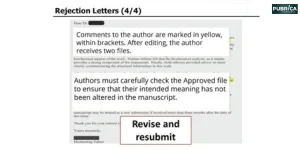
Publication Support Service
- Editing & Translation
-
Editing and Translation Services
- Sample Work

Editing and Translation Service
-
- Research Services
- Sample Work
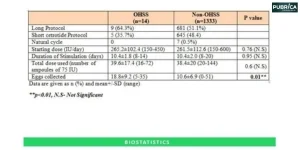
Research Services
- Physician Writing
- Sample Work
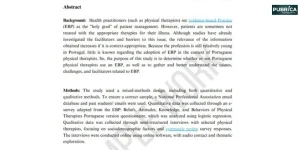
Physician Writing Service
- Statistical Analyses
- Sample Work
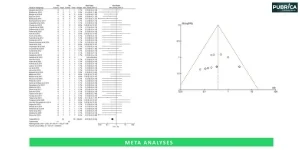
Statistical Analyses
- Data Collection
- AI and ML Services
- Sample Work
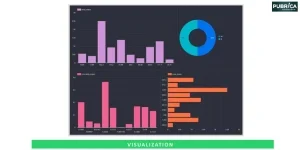
AI and ML Services
- Medical Writing
- Sample Work
Medical Writing
- Research Impact
- Sample Work
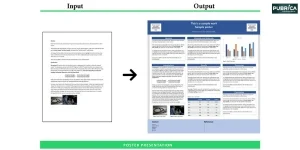
Research Impact
- Medical & Scientific Communication
- Sample Work
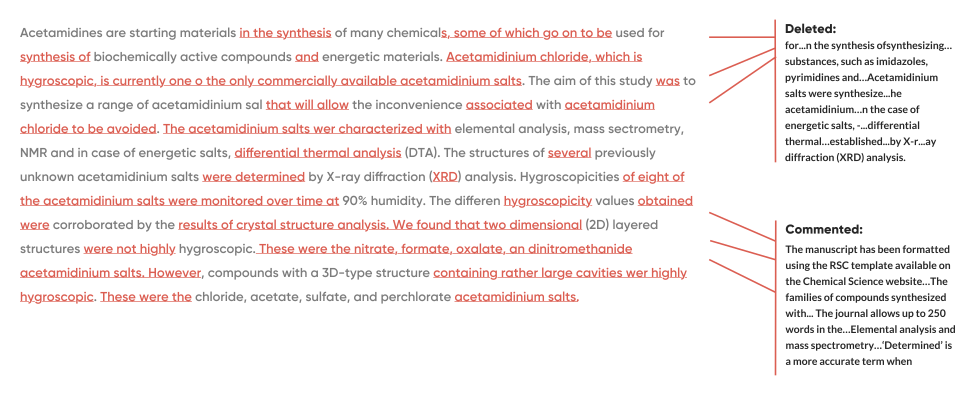
Medical & Scientific Communication
- Medico Legal Services
- Educational Content
- Academic Editorial Services
- Sample Work
Academic Editorial Services
- Educational Editorial Service
-
Education Editorial Services
- Sample Work
Education Editorial Services
-
- Industries
- Subjects
- About Us
- Academy
- Insights
- Contact Us
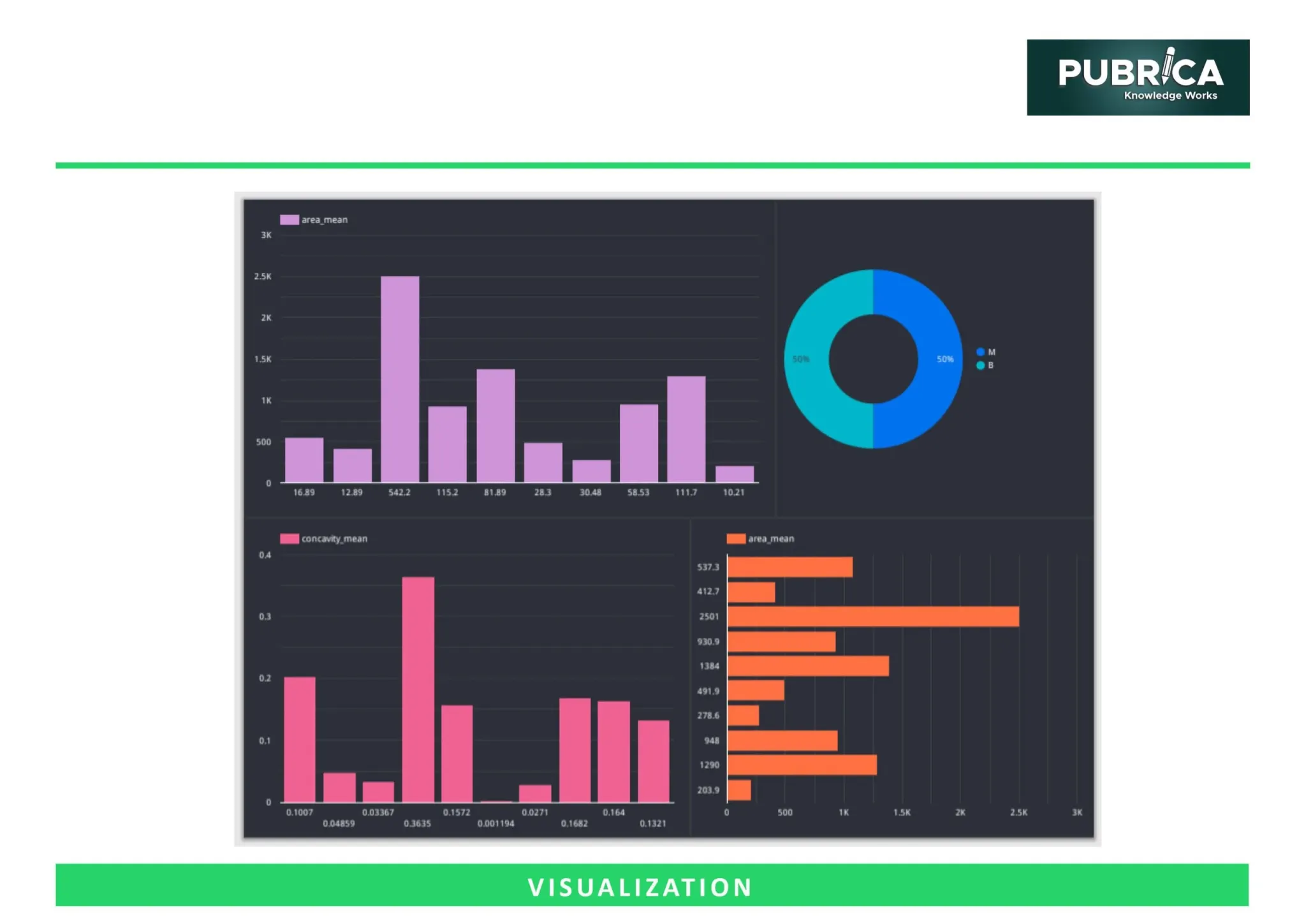
How to Create a Compelling Video Abstract for Your Research
- Home
- Academy
- Video Abstract
- How to Create a Compelling Video Abstract for Your Research
Research Impact
- What Is a Video Abstract and Why It Matters
- SEO and Visibility Benefits of Video Abstracts
- Step-by-Step Process to Create a Compelling Video Abstract
- Writing an Effective Script for a Video Abstract
- Choosing the Right Video Abstract Format
- Designing Visuals That Enhance Understanding
- Recording, Editing, and Accessibility Considerations
- Common Mistakes to Avoid in Video Abstract Creation
Interesting topics
How to Create a Compelling Video Abstract for Your Research
1. What Is a Video Abstract and Why It Matters
2. SEO and Visibility Benefits of Video Abstracts
3. Step-by-Step Process to Create a Compelling Video Abstract
4. Writing an Effective Script for a Video Abstract
5. Choosing the Right Video Abstract Format
6. Designing Visuals That Enhance Understanding
7. Recording, Editing, and Accessibility Considerations
8. Common Mistakes to Avoid in Video Abstract Creation
Creating a compelling video abstract for your research involves crafting a 2–3 minute, high-quality audio-visual summary that highlights the core, findings and significance of your paper. It functions like a movie trailer, intended to hook viewers and increase engagement with your published work. A research video abstract allows authors to visually communicate key findings while complementing the written manuscript.
The consumption of research has changed greatly in the modern digital age. Traditional abstract research texts are still important, but they are no longer enough to draw attention by means of social media, academic networking sites and journals. Video abstracts are a new way to disseminate research, enabling researchers/authors to share their research findings in a short, engaging and easily understood video format[1]. Due to the increase in article visibility, reader engagement and improved knowledge translation beyond academic audiences, many publishers now encourage or require video abstracts.[2] A scientific video abstract is now widely recognized as an effective tool for improving research visibility and audience engagement.
1. What Is a Video Abstract and Why It Matters
A video abstract is basically a brief video (usually two to four minutes) that provides an overview of the background, methods, important findings and implications of a study or thesis based on audio narration and visual images.[3] Many journals encourage authors to submit a journal submission video abstract alongside their manuscripts to enhance discoverability and reader comprehension.
The reasons why video abstracts have significance are:
- They are very useful for enhancing the understanding of complicated ideas
- They have an impact on the number of times an article is downloaded or shared
- They have a positive influence on potential interdisciplinary collaborations with and outside of academia
- They have a positive effect on the Altmetric score for an article.[4]
Traditional abstract: Text-based, technical, audience-limited
Video abstract: Visual, narrative-driven, audience-inclusive
2. SEO and Visibility Benefits of Video Abstracts
Video abstracts have measurable advantages when analyzed academically for Marketing and SEO purposes. Videos embedded into journal webpages increase the dwell time of users on those webpages, leading to more discoverability through search engines and social media platforms. Creating a video abstract for research paper publication also improves digital visibility across academic and professional platforms.
The digital advantages of video abstracts include:
- Massive reach outside the realm of subject area specialists
- Increased opportunity for citation
- Improved synchronization of content across LinkedIn, X (Twitter), and YouTube platforms
- Increased visibility for institutions and funding organizations
These reasons make video abstracts an important part of today’s research communication strategies.
3. Step-by-Step Process to Create a Compelling Video Abstract
To produce an effective video abstract, you should use purposeful planning, clear messaging and storytelling, rather than complex technical skills. Many authors choose a professional video abstract service to ensure accuracy, clarity, and alignment with journal standards.

Core Message Template
“This study addresses [problem], using [method], and demonstrates [key result], which has implications for [real-world impact].”
4. Writing an Effective Script for a Video Abstract
The script constitutes the core support structure for a successful video abstract. Specifically, the script:
- 250 – 350 words in length;
- Written in plain English;
- Logically structured (problem ➔ method ➔ results ➔ significance).
Avoid excessive jargon and methodological detail. Instead, focus on why the research matters and what readers should remember.[5]
5. Choosing the Right Video Abstract Format
The majority of research outputs are best achieved via more than one format of presentation.
| Video Abstract Format | Suitable Research Types | Key Advantage |
| Talking-head video | Clinical, qualitative studies | Personal connection |
| Animated explainer | Molecular or mechanistic research | Concept simplification |
| Slide-based narration | Reviews , meta-analyses | Structured clarity |
| Motion graphics | Data-heavy studies | Visual engagement |
6. Designing Visuals That Enhance Understanding
The narration should be complemented by the strong visuals provided. Good visuals will:
- Call out key points
- Provide simplifications for figures and pathways
- Establish consistent and coherent use of both colors and icons
Be careful not to create overcrowded and difficult-to-read slides and charts. Research shows that minimal, well-aligned visuals significantly improve viewer retention.
7. Recording, Editing, and Accessibility Considerations
Technical quality directly affects credibility and viewer trust. Best practices include:
- Recording in a quiet, well-lit environment
- Using a clear microphone or headset
- Maintaining steady pacing and tone
Editing should remove redundancies and include captions or subtitles to improve accessibility and global reach.[6] In addition to visual dissemination, integrated manuscript submission support can help align video abstracts with publisher and journal submission requirements.
8. Common Mistakes to Avoid in Video Abstract Creation
Despite their benefits, video abstracts often fall short due to avoidable errors. The following table summarizes common mistakes and their potential impact on audience understanding and perception.
Common Mistake | Negative Impact |
Excessive technical jargon | Reduces accessibility |
Overlong videos | Lowers completion rates |
Reading directly from slides | Appears disengaging |
Poor audio quality | Undermines professionalism |
Connect with us to explore how we can support you in maintaining academic integrity and enhancing the visibility of your research across the world!
Conclusion: Transforming Research into Visual Impact
An engaging video abstract helps communicate complex concepts through easy-to-understand narratives. The combination of positive visual elements, understanding message types of communication, and brief narration enables the researcher to strengthen their research in terms of Recognition, comprehension, and application outside of scholarly publication as a fundamental tool for sharing comprehensive research within the larger body of literature. For researchers seeking professional assistance, a video abstract creation service can help translate complex findings into an engaging and publication-ready format.
Ready to amplify the reach of your research? Partner with Pubrica to create impactful video abstracts that elevate your research visibility and engagement.[Get Expert Publishing Support] or [Schedule a Free Consultation].
References
- Spicer, S. (2014). Exploring video abstracts in science journals: An overview and case study. Journal of Librarianship and Scholarly Communication, 2(2), 1110. https://doi.org/10.7710/2162-3309.1110
- Bik, H. M., & Goldstein, M. C. (2013). An introduction to social media for scientists. PLoS Biology, 11(4), e1001535. https://doi.org/10.1371/journal.pbio
- Landis, S., & Duscher, T. (2022). Visual Science Communication: The next generation scientific poster. https://doi.org/10.32388/8oohns
- Sugimoto, C. R., Work, S., Larivière, V., & Haustein, S. (2017). Scholarly use of social media and altmetrics: A review of the literature. Journal of the Association for Information Science and Technology, 68(9), 2037–2062. https://doi.org/10.1002/asi.23833
- Guo, P. J., Kim, J., & Rubin, R. (2014). How video production affects student engagement: An empirical study of MOOC videos. Proceedings of the First ACM Conference on Learning @ Scale Conference. https://doi.org/10.1145/2556325.25
- Brame C. J. (2016). Effective Educational Videos: Principles and Guidelines for Maximizing Student Learning from Video Content. CBE life sciences education, 15(4), es6. https://doi.org/10.1187/cbe.16-03-0125