
- Services
- Discovery & Intelligence Services
- Publication Support Services
- Sample Work

Publication Support Service
- Editing & Translation
-
Editing and Translation Services
- Sample Work

Editing and Translation Service
-
- Research Services
- Sample Work

Research Services
- Physician Writing
- Sample Work

Physician Writing Service
- Statistical Analyses
- Sample Work

Statistical Analyses
- Data Collection
- AI and ML Services
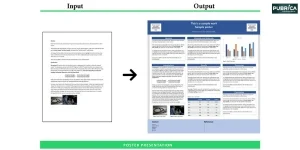
- Sample Work

AI and ML Services
- Medical Writing
- Sample Work
Medical Writing
- Research Impact
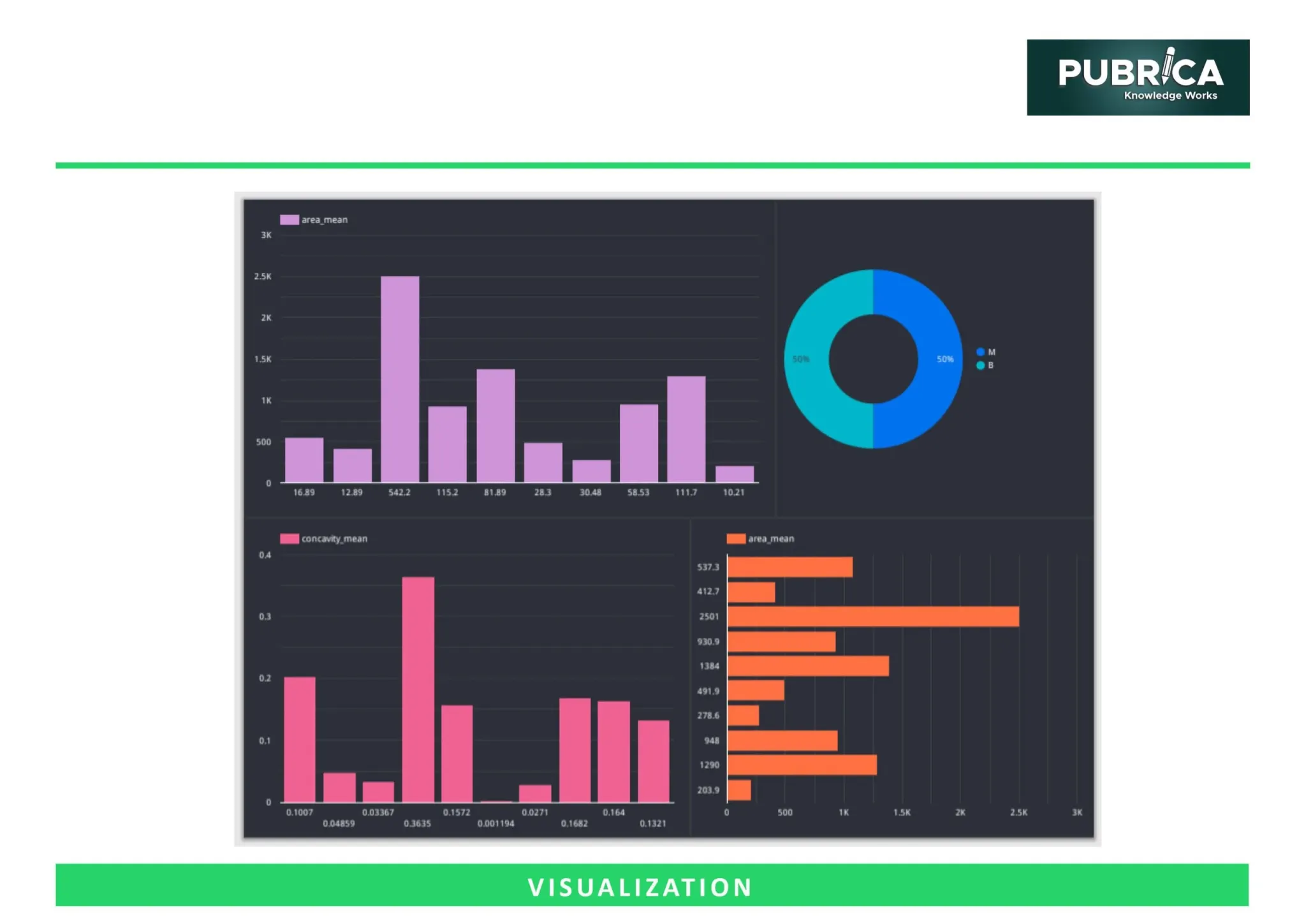
- Sample Work
Research Impact
- Medical & Scientific Communication
- Sample Work
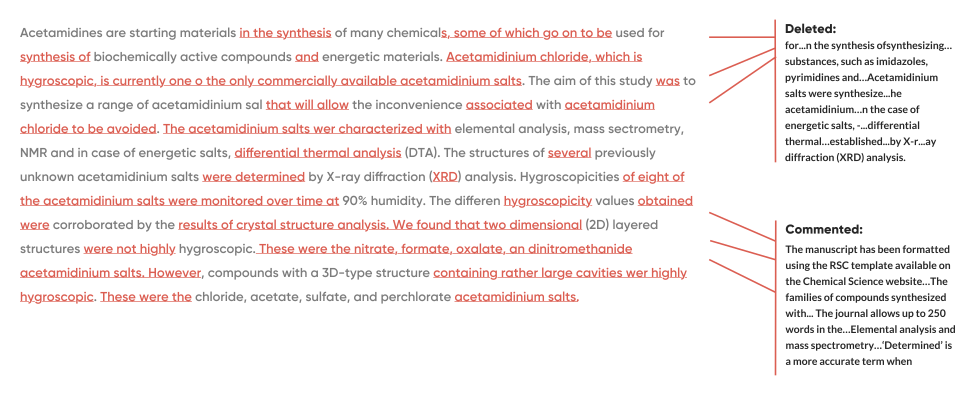
Medical & Scientific Communication
- Medico Legal Services
- Educational Content
- Academic Editorial Services
- Sample Work
Academic Editorial Services
- Educational Editorial Service
-
Education Editorial Services
- Sample Work
Education Editorial Services
-
- Industries
- Subjects
- About Us
- Academy
- Insights
- Contact Us
Experimental Research Design: Overview, Types, and Examples
High-Impact Journals
Interesting topics
Experimental Research Design: Overview, Types, and Examples
Experimental research design is a scientific procedure in which the researcher manipulates one or more independent variables and observes their effects on dependent variables under controlled conditions. It affords the researcher high internal validity through randomization and control groups and is the most accurate quantitative research method to determine cause-and-effect relationships. The participants can be randomly assigned to the experimental group and the control group. Using the experimental design reduces bias and allows for confidence in the results. [1],[2]
1. When Can a Researcher Conduct Experimental Research?
Experimental research can be conducted when the researcher can:
- Determine a clear cause-and-effect relationship
- Manipulate and measure variables accurately
- Assign participants to the groups randomly
- Control the environment to the extent of outside influence
- Have enough resources, time, and ethics clearance.
2. Importance of Experimental Research Design
- Determines Cause-and-Effect: Experimental designs, by controlling for other variables, establish the cause-and-effect relationship.
- Attracts Validity: Randomization and control groups reduce bias, thus enhancing reliability.
- Allows Replication: Experimental designs with rigor can be repeated, with results being verified.
- Provides Evidence for Decision Making: Experimental designs provide strong evidence for practical, clinical, and policy purposes.
- Advances Science: Experimental research typically provides reliable, precise, and tested knowledge that develops theory and invites subsequent research.
3. Types of Experimental Research Designs
The four main types of experimental research designs are:
| Types | Description |
|---|---|
| Pre-Experimental Designs | They are less complicated, less expensive, and quicker to carry out than true experiments; however, they have higher bias risk and internal validity. They are often used for preliminary research prior to investment in more rigorous studies.[1]
|
| True Experimental Design | A True Experimental Design is a type of research design used for establishing causal relationships between variables. It represents the most stringent and most reliable of experimental designs because it fulfils three different requirements: [2]
|
| Quasi-Experiment Design | Quasi-experimental design is a quantitative research design that examines the impact of an intervention on a group, generally known as a target population, without random assignment of groups (treatment and control). Quasi-experimental design is action-focused and shares many similar characteristics of experimental design – pretest, post-tests, control groups, etc.[3] |
4. Advantages and Disadvantages of Experimental Research Design
| Advantage | Disadvantage |
|---|---|
|
|
Connect with us to explore how we can support you in maintaining academic integrity and enhancing the visibility of your research across the world!
Conclusion
Experimental research design is the strongest choice for inferring cause-and-effect because it employs control, randomization, and manipulation of variables. It has high internal validity, controls for bias, and can be replicated, so it is foundational for scientific research in education, psychology, health sciences, etc. It takes a lot of resources, time, and ethical considerations, but it can provide accurate, reliable, and relevant evidence, which is why it is so useful for generating theory, creating policy, and using it in practice.
Experimental Research Design: Overview, Types, and Examples? Our Pubrica medical consultants are here to guide you. [Get Expert Publishing Support] or [Schedule a Free Consultation]
References
- (N.d.). Indeed.com. Retrieved August 12, 2025, from https://www.indeed.com/career-advice/career-development/experimental-research
- Experimental designs. (2019, August 29). BYJUS; BYJU’S. https://byjus.com/maths/experimental-designs/
- Capili, B., & Anastasi, J. K. (2024). An Introduction to Types of Quasi-Experimental Designs. The American journal of nursing, 124(11), 50–52. https://doi.org/10.1097/01.NAJ.0001081740.74815.20