
- Services
- Discovery & Intelligence Services
- Publication Support Services
- Sample Work
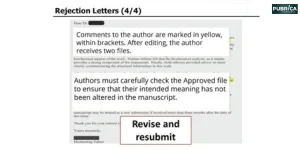
Publication Support Service
- Editing & Translation
-
Editing and Translation Services
- Sample Work
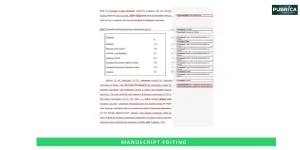
Editing and Translation Service
-
- Research Services
- Sample Work
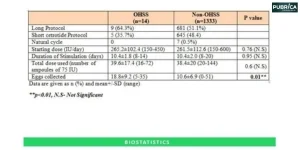
Research Services
- Physician Writing
- Sample Work

Physician Writing Service
- Statistical Analyses
- Sample Work

Statistical Analyses
- Data Collection
- AI and ML Services
- Sample Work

AI and ML Services
- Medical Writing
- Sample Work
Medical Writing
- Research Impact
- Sample Work

Research Impact
- Medical & Scientific Communication
- Sample Work
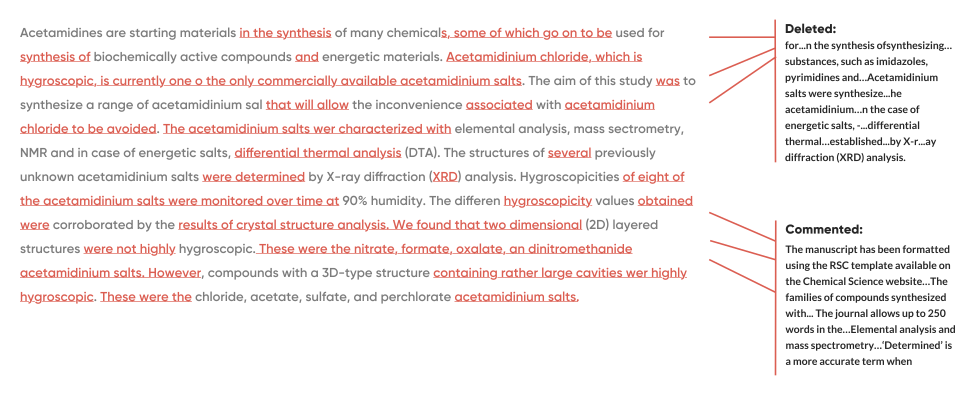
Medical & Scientific Communication
- Medico Legal Services
- Educational Content
- Academic Editorial Services
- Sample Work
Academic Editorial Services
- Educational Editorial Service
-
Education Editorial Services
- Sample Work
Education Editorial Services
-
- Industries
- Subjects
- About Us
- Academy
- Insights
- Contact Us

Understanding Regulatory Writing: From Research Data to Submission
- Home
- Academy
- Poster Presentation
- Understanding Regulatory Writing: From Research Data to Submission
Research Impact
- Why Regulatory Writing Matters in Drug Development
- Where the Regulatory Writing Process Begins
- How Regulatory Writers Transform Data into Documents
- Core Regulatory Documents Prepared by Writers
- Ensuring Compliance Through Rigorous Review in Regulatory Writing
- Who Contributes to the Regulatory Writing Process
- Regulatory Writing Workflow: From Research to Submission
- Common Challenges in Regulatory Writing
Interesting topics
Understanding Regulatory Writing: From Research Data to Submission
1. Why Regulatory Writing Matters in Drug Development
2. Where the Regulatory Writing Process Begins
3. How Regulatory Writers Transform Data into Documents
4. Core Regulatory Documents Prepared by Writers
5. Ensuring Compliance Through Rigorous Review in Regulatory Writing
6. Who Contributes to the Regulatory Writing Process
7. Regulatory Writing Workflow: From Research to Submission
8. Common Challenges in Regulatory Writing
Regulatory writing is a specialized field of medical communication focused on creating the extensive documentation required by health authorities—such as the FDA (USA) and EMA (Europe)—to evaluate and approve new drugs, biologics, and medical devices. Regulatory writing is primarily concerned with addressing the needs of regulatory agencies and reviewers who are tasked with determining whether a drug or medical device meets the requirements to reach the marketplace. Regulatory Medical Writing plays a critical role in ensuring that regulatory expectations are met through precise, compliant, and well-structured documentation.
Regulatory Writing refers to the process of creating structured regulatory authorisation documents from highly sophisticated clinical and scientific data. This regulatory writing process serves to provide explicit communication of clinical research findings, high quality (i.e., correct and complete) compliance with regulatory guidelines throughout the drug development process.[1,2].
1. Why Regulatory Writing Matters in Drug Development
Regulatory writers facilitate scientific and regulatory communication. Their work involves converting difficult-to-understand scientific data into organized regulatory submissions. The goal of regulatory writers is to navigate regulatory requirements to reduce potential delays. [1,3] Drug Development Regulatory Writing supports efficient interactions with regulators by aligning scientific evidence with submission standards throughout the product lifecycle.
2. Where the Regulatory Writing Process Begins
The process starts with research data generated from clinical trials, non-clinical studies, and related activities. Regulatory writers collaborate with clinicians, statisticians, and regulatory affairs professionals to gather and interpret this data before drafting documents. [2] Clinical Regulatory Documents are initiated at this stage to ensure that study data is accurately translated into regulatory-ready formats.
3. How Regulatory Writers Transform Data into Documents
Regulatory writers convert unprocessed research results into regulatory-ready documentation that meets the requirements of regulations. Regulatory writers;
- Produce data in a comprehensive, clear and unbiased fashion.
- Use templates prescribed/standardized by the regulatory authorities (e.g., ICH and eCTD).
- Provide traceability back to the source data and completeness of the regulatory documentation, fulfil all the requirements and expectations of the region where the regulatory document is submitted to.
ICH Guidelines for Regulatory Writing guide the structure, content, and format of documents prepared for global regulatory submissions. Medical Writing for Regulatory Submissions ensures consistency and accuracy across all required regulatory documentation.
4. Core Regulatory Documents Prepared by Writers
Regulatory writers create and prepare many different types of documents in support of regulatory submissions. Briefly summarised below are the major regulatory document types and their major purposes:
Document Type | Primary Purpose | Where It Is Used |
Clinical Study Report (CSR) | Summarizes clinical trial results | Submission dossiers |
Investigator’s Brochure (IB) | Overview of product for investigators | Clinical trial planning |
Common Technical Document (CTD) | Structured regulatory submission | Global regulatory review |
Safety Reports | Adverse event reporting | Ongoing surveillance |
The Clinical Study Protocol and Investigator’s Brochure are essential components of early and ongoing regulatory submissions. The Common Technical Document serves as the standardized format for Regulatory Submission Writing across multiple regions.
5. Ensuring Compliance Through Rigorous Review in Regulatory Writing
Regulatory writing is governed by international standard regulations governing good clinical practice (GCP) and ICH guidelines. In addition to following a template, the writer ensures quality and consistency in all documents by using a structured approach to review and verify data with reference to the original data source. Typically, this process consists of three principal phases:
- Scientific review – The clinical and non-clinical data have been accurately interpreted and are substantiated;
- Regulatory review – The information has been aligned and confirmed with all regulatory requirements for the geographic region of submission and with any relevant global requirements; and
- Quality Assurance – All materials are free from ambiguity, consistent within the document set, and are fully traceable.
Implementing a thorough internal review process through proper regulatory documentation allows you to reduce your potential for deficiencies, avoid delays associated with submitting a document, and allow for a more efficient regulatory approval process.[4,5] Good Clinical Practice remains a fundamental requirement for all Regulatory Document Preparation Services.
6. How Regulatory Writers Transform Data
Regulatory writing is the foundation of the clinical development process by ensuring that both scientific and non-scientific information is accurately recorded in an organized manner and is properly communicated to regulatory authorities. Writers facilitate drug development by presenting complex data in a concise, easy-to-understand manner; regulating the processes of registration globally; and enhancing patient safety through reporting.[6] Pharmaceutical Regulatory Writing Experts ensure that regulatory data is communicated clearly while maintaining scientific integrity and compliance.
7. Who Contributes to the Regulatory Writing Process?
Several professionals contribute to the regulatory writing process, each bringing specialized expertise to ensure documents are accurate, compliant, and regulator-ready. Regulatory Writing Services rely on cross-functional collaboration to deliver high-quality submissions. The key contributors and their specific roles are outlined in the table below:
Contributor | Function in the Process |
Regulatory Writer | Drafts and refines documents |
Clinical Research Team | Supplies and explains study data |
Biostatistics Team | Provides validated statistical outputs |
Regulatory Affairs Specialists | Ensures compliance with guidelines |
8. Regulatory writing workflow from research to submission
The following workflow illustrates the key stages involved in transforming research data into a finalized regulatory submission.[7]

Regulatory Submission Writing follows a structured, sequential workflow to ensure timely and compliant submissions.
9. Common Challenges in Regulatory Writing
Key challenges in regulatory writing include:
- Large volumes of data management, including organizing and verifying extensive laboratory data.
- Deadline management; as you must have your submissions ready before the required submission date.
- Regulatory changes; ensuring that all documents conform to the latest regulations, as they can often change from year to year.
- Consistency among various documents and authors. Professional regulatory writers handle these four challenges by utilizing templates and standardized processes for document review and approval.
Regulatory Document Preparation Services help organizations overcome these challenges by applying standardized workflows and best practices.
Connect with us to explore how we can support you in maintaining academic integrity and enhancing the visibility of your research across the world!
Conclusion
Regulatory writing is the process of creating official documents to submit to regulatory agencies based on research findings. Regulatory writers are trained to write in a manner that provides clarity, compliance and consistency, enabling them to be critical to the success of obtaining product approvals in a global regulatory environment full of complexity.
Partner with Pubrica’s regulatory writing experts to ensure compliant, timely, and regulator-ready submissions worldwide.[Get Expert Publishing Support] or [Schedule Free Consultation]
References
- The role of regulatory writers in drug development. (2025, February 10). Healthcare Business Today. https://www.healthcarebusinesstoday
- Morley, G. (2014). Regulatory writing basics. Medical Writing, 23(2), 81–82. https://doi.org/10.1179/2047480614z
- Maximizing the value of regulatory medical writing. (2023, August 7). org. https://blog.amwa.org/maximizing-the-value
- Replogle, C. (2025, April 2). Regulatory Writing series #2: Top 5 regulatory Writing mistakes that can delay FDA approval—and how to avoid them. ScienceDocs; ScienceDocs Inc. https://www.sciencedocs.com/regulatory-writing-avoid-mistakes
- com. Retrieved January 20, 2026, from https://www.certara.com/article/
- Regulatory medical writing: Everything you need to know. (2025, May 25). com. https://www.quanticate.com/blog/bid
- Chodvadia, D. (2024, October 10). Blog – seamless regulatory submissions. Lambda Therapeutic Research – Global Full-Service CRO. https://www.lambda-cro.com/regulatory-submission-medical-writing