
- Services
- Discovery & Intelligence Services
- Publication Support Services
- Sample Work
Publication Support Service
- Editing & Translation
-
Editing and Translation Services
- Sample Work
Editing and Translation Service
-
- Research Services
- Sample Work
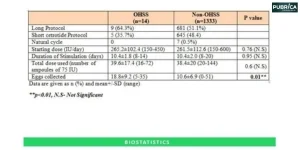
Research Services
- Physician Writing
- Sample Work

Physician Writing Service
- Statistical Analyses
- Sample Work
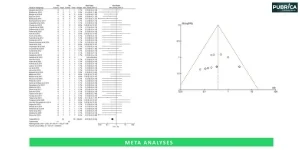
Statistical Analyses
- Data Collection
- AI and ML Services
- Sample Work
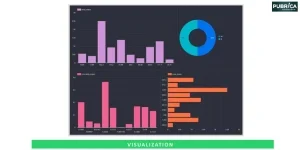
AI and ML Services
- Medical Writing
- Sample Work
Medical Writing
- Research Impact
- Sample Work
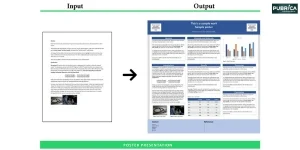
Research Impact
- Medical & Scientific Communication
- Sample Work
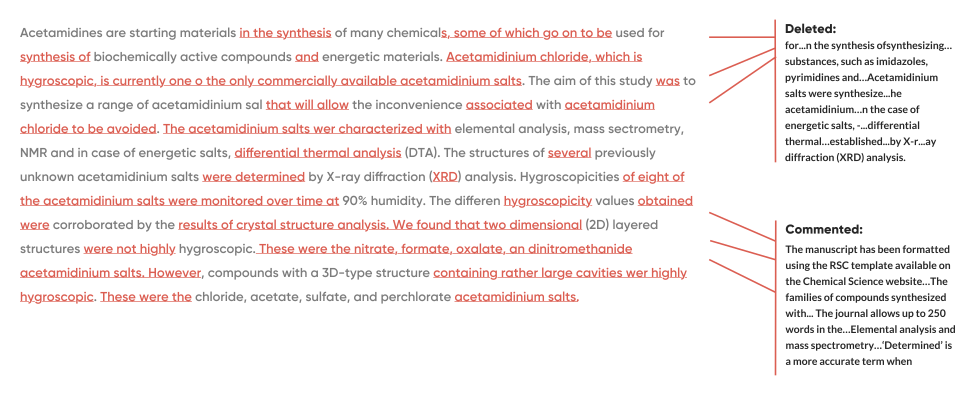
Medical & Scientific Communication
- Medico Legal Services
- Educational Content
- Academic Editorial Services
- Sample Work
Academic Editorial Services
- Educational Editorial Service
-
Education Editorial Services
- Sample Work
Education Editorial Services
-
- Industries
- Subjects
- About Us
- Academy
- Insights
- Contact Us
Targeted literature searches are a fundamental part of writing clinical manuscripts that will meet the standards of high-quality journals and contribute meaningfully to evidence-based practice. When physicians write clinical manuscripts, utilizing a targeted literature search can identify high-quality, relevant, and current evidence. While a general literature review is useful, a targeted literature search is specific to the clinical question and should be completed through frameworks established, such as PICO (Population, Intervention, Comparator, Outcome) and PRISMA [1].
Regulatory Documentation and Medical Writing in the Medical Device Industry: A Global Perspective
- Home
- Academy
- Research Impact
- Regulatory Documentation and Medical Writing in the Medical Device Industry: A Global Perspective
High-Impact Journals
Interesting topics
Regulatory Documentation and Medical Writing in the Medical Device Industry: A Global Perspective
The medical device industry functions under a highly regulated environment, where patient safety, effective products, and regulatory frameworks take precedence. Across the global market, regulatory bodies such as the U.S. Food and Drug Administration (FDA), European Medicines Agency (EMA), and International Organization for Standardization (ISO) enforce stringent documentation requirements that govern the design, manufacturing, validation, and post-market performance of medical devices.
Regulatory documentation not only ensures compliance but also serves as a formal communication tool between the manufacturer, healthcare professionals, and regulatory authorities, supporting transparency, reproducibility, and patient safety. [1]
1. An Overview of Key European Regulations
The European Medical Device Regulation (EU MDR 2017/745) and In Vitro Diagnostic Regulation (IVDR 2017/746) replaced the former directives (MDD/IVDD) to establish a harmonized, risk-based framework. These regulations emphasize continuous evaluation of device safety and clinical performance through key documentation, such as:
- Clinical Evaluation Report (CER) evidence of clinical safety and performance
- Post-Market Clinical Follow-Up (PMCF) Plan and Report ongoing evidence generation
- Periodic Safety Update Report (PSUR) safety trend reporting
- Summary of Safety and Clinical Performance (SSCP) transparency for clinicians and patients
Each device must demonstrate compliance with Annex I – General Safety and Performance Requirements (GSPR), supported by Technical Documentation (Annex II/III) covering design, risk management, usability, and verification/validation.
Supporting standards include:
- ISO 13485:2016 (Quality Management System)
- ISO 14971:2019 / ISO/TR 24971 (Risk Management)
- ISO 14155:2020 (Clinical Investigation of Medical Devices)
- IEC 62366-1 (Usability Engineering)
- IEC 62304 (Software Lifecycle for Medical Device Software)
- ISO 15223-1 and ISO 20417 (Labelling and Information Supplied by Manufacturer)
Manufacturers must appoint a Person Responsible for Regulatory Compliance (PRRC) and ensure coordination among economic operators’ manufacturer, authorized representative, importer, and distributor. The Unique Device Identification (UDI) system and EUDAMED database facilitate traceability, vigilance reporting, and transparency. [2]
2. Product Approval Pathways in the EU and US
Aspect | European Union (EU) | United States (US) |
Regulatory Basis | MDR 2017/745, IVDR 2017/746 | FD&C Act; 21 CFR Parts 803–806 (devices), 21 CFR 314 (drugs) |
Clinical Investigations | MDR Articles 62–82; ISO 14155; Ethics Committee & Competent Authority approval | FDA 21 CFR 812 – Investigational Device Exemption (IDE); IRB approval |
Device Approval Pathway | CE Marking based on risk class and conformity assessment by Notified Body | 510(k), De Novo, or Premarket Approval (PMA) |
Post-Market Surveillance | PMS Plan (Annex III), PSUR/SSCP/PMCF, trend reporting via EUDAMED | Medical Device Reporting (21 CFR 803), Post-Approval Studies (PMA), 522 Surveillance Orders |
Databases & UDI | EUDAMED (UDI/device, vigilance, PMS modules) | GUDID (Global UDI Database); eMDR submissions |
Risk Management | ISO 14971 continuous assessment within the Technical File | QSR (21 CFR 820) transitioning to QMSR (ISO 13485-aligned) |
Key Standards | ISO 13485, ISO 14155, ISO 14971, IEC 62366-1, IEC 62304 | 21 CFR 820, FDA Human Factors Guidance, Cybersecurity Premarket Guidance |
Key Focus | Continuous performance evidence and prescriptive PMS framework | Adverse event monitoring, enforcement, and human factors validation |
3. Navigating Medical Device Regulations in India
India’s Medical Device Rules (MDR 2017), effective from 2018 and amended in 2020, marked a pivotal shift from treating devices as drugs under the Drugs and Cosmetics Act (1940) toward a device-specific regulatory regime. The Central Drugs Standard Control Organization (CDSCO) now mandates registration, licensing, and QMS compliance for all devices.
Key features include:
- Risk-based classification: Class A (low risk) to Class D (high risk)
- Licensing: State licensing for Class A/B; Central Licensing Authority (CLA) for Class C/D
- Mandatory ISO 13485:2016 certification
- Clinical Investigation Requirements: Schedule Y + MDR 2017 provisions
- Post-Market Vigilance: Materi Vigilance Programme of India (MvPI) for adverse event reporting
- Import & Manufacturing Licenses: via CDSCO’s online portal (Form MD-xx series)
- Future Alignment: Progressive convergence with EU MDR/IVDR principles for safety and performance [3]
4. Integration of Medical Writing in Device Lifecycle
Medical writing is integral to every stage of the device lifecycle, ensuring that complex scientific and technical information is communicated clearly and compliantly.
Writers collaborate with engineers, clinicians, regulatory specialists, and statisticians to produce accurate, evidence-based documentation, including:
Regulatory Documents | Operational & Scientific Documents
|
|
|
5. Common Challenges in Medical Device Writing
- Evolving Regulatory Standards: Frequent updates (e.g., EU MDR, QMSR transition) demand continuous training and adaptation.
- Limited Skilled Resources: Few writers possess cross-disciplinary expertise in regulatory compliance, engineering, and data interpretation.
- Quality and Consistency: Documentation must adhere to GSPR mapping and MDCG-recommended templates with strict version control.
- Time Constraints: Overlapping submissions and deadlines require efficient review cycles and structured document management systems.
- Integration of Digital & Software Components: SaMD and cybersecurity expectations add complexity to regulatory writing.
Connect with us to explore how we can support you in maintaining academic integrity and enhancing the visibility of your research across the world!
Conclusion
Compliant documentation underpins both regulatory success and patient safety in the medical device industry. Effective medical writing ensures accurate interpretation of clinical and technical evidence for regulatory authorities, healthcare professionals, and patients.
As global regulations continue to evolve, manufacturers must invest in: Skilled regulatory writers trained in MDR, IVDR, and FDA frameworks, Standardized documentation templates aligned with ISO and MDCG guidance, Robust PMS and PMCF strategies for continuous compliance
Facing documentation or compliance dilemmas? Our Pubrica Regulatory Writing Experts specialize in CER, PMCF, SSCP, PSUR, and PMS documentation, ensuring alignment with EU MDR, US FDA, and CDSCO standards. [Get Expert Publishing Support] or [Schedule a Free Consultation]
References
- Mennella, C., Maniscalco, U., De Pietro, G., & Esposito, M. (2024). Ethical and regulatory challenges of AI technologies in healthcare: A narrative review. Heliyon, 10(4), e26297. https://doi.org/10.1016/j.heliyon.2024.e26297
- Greer SL, Rozenblum S, Fahy N, et al., editors. Everything you always wanted to know about European Union health policy but were afraid to ask: Third, revised edition [Internet]. Copenhagen (Denmark): European Observatory on Health Systems and Policies; 2022. (Health Policy Series, No. 59.) Chapter 2, The European Union: institutions, processes and powers. Available from: https://www.ncbi.nlm.nih.gov/books/NBK590168/
- Miller, B. J., Blanks, W., & Yagi, B. (2023). The 510(k) Third-Party Review Program: Promise and Potential. Journal of Medical Systems, 47(1), 93. https://doi.org/10.1007/s10916-023-01986-5
- Manu, M., & Anand, G. (2022). A review of medical device regulations in India, comparison with the European Union, and the way ahead. Perspectives in clinical research, 13(1), 3–11. https://doi.org/10.4103/picr.PICR_222_20