
- Services
- Discovery & Intelligence Services
- Publication Support Services
- Sample Work
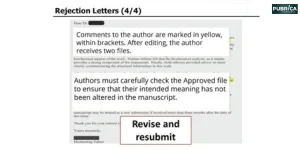
Publication Support Service
- Editing & Translation
-
Editing and Translation Services
- Sample Work
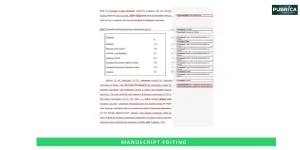
Editing and Translation Service
-
- Research Services
- Sample Work

Research Services
- Physician Writing
- Sample Work
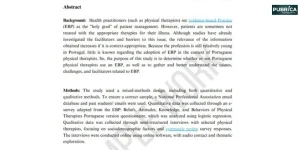
Physician Writing Service
- Statistical Analyses
- Sample Work

Statistical Analyses
- Data Collection
- AI and ML Services
- Sample Work

AI and ML Services
- Medical Writing
- Sample Work
Medical Writing
- Research Impact
- Sample Work

Research Impact
- Medical & Scientific Communication
- Sample Work
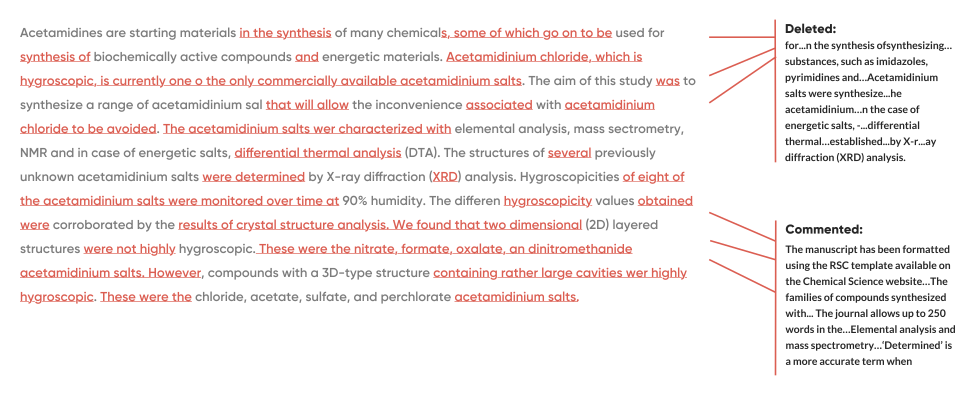
Medical & Scientific Communication
- Medico Legal Services
- Educational Content
- Academic Editorial Services
- Sample Work
Academic Editorial Services
- Educational Editorial Service
-
Education Editorial Services
- Sample Work
Education Editorial Services
-
- Industries
- Subjects
- About Us
- Academy
- Insights
- Contact Us
Medico-Legal Expertise: A Practical Guide for Researchers in Legal Medicine
- Home
- Academy
- Medico Legal Services
- Medico-Legal Expertise: A Practical Guide for Researchers in Legal Medicine
High-Impact Journals
Interesting topics
Medico-Legal Expertise: A Practical Guide for Researchers in Legal Medicine
1. Medico-Legal Medicine
2. Types of Medico-Legal Cases
3. Role and Responsibilities of the Medico-Legal Expert
4. Documentation and Report Writing in Medico-Legal Cases
5. Forensic Procedures and Evidence Collection
6. Legal and Ethical Considerations in Medico-Legal Work
7. Conclusion
Medico-legal medicine combines medical information with legal systems to provide support in criminal investigations, legal trials, and the assessment of physical injuries, impairment from a medical viewpoint, or psychological illness. The consistent principles that guide medico-legal medicine include truthfulness, impartiality, and professional ethics, as the documents and testimonies of physician-medico-legal medical experts are frequently among the principal pieces of evidence utilised in tort actions, criminal prosecutions, and occupational prosecution cases.[1] These processes often form the foundation of professional medico-legal services that support courts and investigative authorities.
1. Medico-Legal Medicine
Medicolegal medicine is a specialty that combines the principles of medicine with the procedures of law. By combining their medical knowledge with their understanding of legal systems, physicians can accurately interpret the findings of medical examination reports and produce documentation that meets the requirements for legal submissions. Physicians are often asked to give their opinions based on the results of medical examinations in a variety of situations, including the following: Criminal cases (including homicide, assault, etc.) and civil lawsuits (personal injury claims/insurance claims/medical malpractice suits). Additionally, medicolegal physicians conduct health assessments of workers and perform mental health assessments on those with diminished abilities because of substance abuse or mental illness.[2] This field represents the intersection of forensic medicine and legal medicine in practical medico-legal investigations.
- Medico-Legal Doctors are the link between Clinical Care &legal inquiry
- Objectivity and Impartiality are paramount to success as physicians doing legal work.
- Clear Documentation provides proves the level of credibility necessary to be utilized by the courts for evidence.
2. Types of Medico-Legal Cases
Doctors encounter a wide range of cases requiring medico-legal expertise. [3]
| Case Type | Examples | Key Considerations |
| Criminal | Assault, homicide, sexual assault | Injury assessment, post-mortem, toxicology |
| Civil | Medical negligence, personal injury | Causation, prognosis, compensation assessment |
| Occupational | Workplace accidents, exposure-related diseases | Fitness for duty, exposure documentation |
| Mental Health | Competency assessment, criminal responsibility | Psychiatric evaluation, risk assessment |
| Insurance | Disability and compensation claims | Functional assessment, objective evidence |
3. Role and Responsibilities of the Medico-Legal Expert
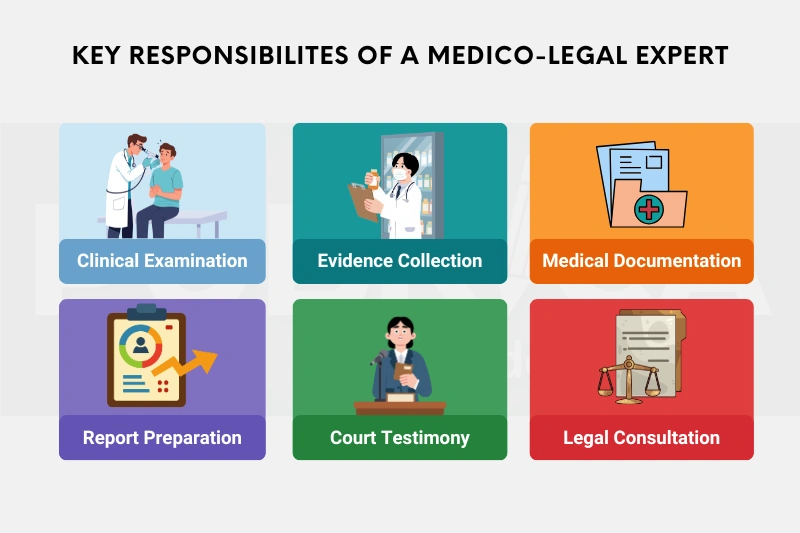
Medical legal professionals (experts) play an important role in the court system when adjudicating cases related to health care and medicine. Their duties consist of: [4]
- To perform physical examinations (of body) or psychiatric evaluations (of mind).
- To accurately report their findings (documented).
- To collect & store biological & physical evidence.
- To prepare thorough medico-legal reports (containing all pertinent info).
- To be an expert witness in court.
- To provide expert advice to law enforcement, legal authorities & insurance agencies.
Medical record review services may also be involved to analyse clinical documentation relevant to a case.
| Responsibility | Tools Techniques | Notes |
| Clinical Examination | Gloves, measuring tapes, stethoscopes | Document injury size, type, and location |
| Evidence Collection | Swabs, blood kits, photographs | Maintain chain-of-custody |
| Report Writing | EMR, templates | Objective and precise language |
| Court Testimony | Visual aids, diagrams | Clear explanation without jargon |
| Forensic Liaison | Lab coordination, sample transport | Ensure proper handling and documentation |
4. Documentation and Report Writing
A well-written report must be accurate and in chronological order, using only evidence-based information. The key components of a medicolegal report include: [5]
- Patient demographics: Name, address, phone number, age, sex, occupation.
- Case summary: Date of incident, location, description of what happened.
- Detailed examination findings: Nature, site, extent of injuries.
- Investigation findings: X-rays, laboratory tests, toxicology reports.
- Opinion: Reason for injuries, potential future medical needs, ability to make rational decisions. Signature and date of signing the report.
Such reports are often prepared as part of a structured medico-legal consultation process.
| Section | Content |
| Patient Info | Name, age, sex, occupation |
| Case Summary | Brief description of incident |
| Clinical Findings | Detailed injury description |
| Investigations | Lab tests, radiology, toxicology |
| Opinion | Causation, prognosis, severity |
5. Forensic Procedures and Evidence Collection
Evidence must be correctly collected and preserved to be admissible in court. The types of evidence relevant in forensic medicine: [6]
- Biological Evidence: blood, hair and saliva.
- Physical Evidence: clothing, weapons and personal items.
- Chemical Evidence: toxins and drugs.
- Post-Mortem examination determines the Cause and Manner of Death
- The Chain of Custody must be maintained.
| Step | Responsible Person | Notes |
| Data Collection | Doctor/Technician | Seal and label immediately |
| Transportation | Police/Medical courier | Secure handling and documentation |
| Storage | Forensic laboratory | Maintain proper storage conditions |
| Analysis | Forensic scientist | Record all steps accurately |
| Reporting | Medico-legal expert | Include results in official report |
6. Legal and Ethical Considerations in Medico-Legal Work
The duties of medico-legal physicians occur at the interface of medicine and law. They must: [7]
- Maintain the confidentiality of patients’ information unless required by law to provide the information.
- Formulate objective, evidence-based opinions.
- Refrain from forming conclusions outside the bounds of their professional training and experience
- Remain informed of current relevant laws, forensic guidelines, and professional standards.
In many legal disputes, this expertise also supports medical negligence and malpractice analysis. Medico-legal physicians must always exhibit professionalism and uphold ethical conduct in their professional dealings with all parties involved in the medico-legal process. The following illustration would clearly show the overlap between medical ethics, legal responsibilities, and clinical duties.
Connect with us to explore how we can support you in maintaining academic integrity and enhancing the visibility of your research across the world!
Conclusion
Clinical Knowledge, Forensic Expertise and Legal Knowledge Make up the broad category of Medico-Legal Expertise. In doing so, physicians provide evaluation of injury, collection of evidence, preparation of written documents, and provision of testimony as professionals. A careful approach to details and providing ethical care while meeting procedural guidelines enhance a medico-legal expert’s ability to be credible and reliable. Following a structured method for gathering and analysing data allows the medico-legal expert to substantively impact the administration of justice while ensuring that the rights of the profession and of patients are protected. Many organizations today also choose to outsource medico legal services to ensure access to specialized expertise and efficient case evaluation.
Need Expert Support for Medico-Legal Case Evaluation? Pubrica’s provide accurate medical analysis, documentation review, and expert guidance for medico-legal matters.[Get Medico-Legal Support] [Schedule a Free Consultation].
References
- Simpson K. (1974). A Practical Medico-Legal Guide for the Physician. Proceedings of the Royal Society of Medicine, 67(7), 693. https://doi.org/10.1177/003591577406
- Naveen, S., & Kumar, M. V. (2013). Preparing medico legal report in clinical practice. The Indian journal of surgery, 75(1), 47–49. https://doi.org/10.1007/s12262-012-0538-0
- Madadin, M., Alqarzaie, A. A., Alzahrani, R. S., Alzahrani, F. F., Alqarzea, S. M., Alhajri, K. M., & Al Jumaan, M. A. (2021). Characteristics of Medico-Legal Cases and Errors in Medico-Legal Reports at a Teaching Hospital in Saudi Arabia. Open access emergency medicine : OAEM, 13, 521–526. https://doi.org/10.2147/OAEM.S34189
- Tobin-Tyler, E., & Teitelbaum, J. B. (2019). Medical-Legal Partnership: A Powerful Tool for Public Health and Health Justice. Public health reports (Washington, D.C. : 1974), 134(2), 201–205. https://doi.org/10.1177/003335491882
- Tenny S, Varacallo MA. Evidence-Based Medicine. [Updated 2024 Sep 10]. In: StatPearls [Internet]. Treasure Island (FL): StatPearls Publishing; 2025 Jan-. Available from: https://www.ncbi.nlm.nih.gov/books
- Higley, L., Carter, D. O., Elowsky, C., Haskell, C., Haskell, N., Obanfunwa, J., Reinhard, K., Roe, A., Schoenly, K., Simmons, T., & Wells, J. (2025). Make forensic case reports required legal and scientific documents. Proceedings of the National Academy of Sciences of the United States of America, 122(26), e2406456122. https://doi.org/10.1073/pnas.240645
- Yip, C., Han, N. R., & Sng, B. L. (2016). Legal and ethical issues in research. Indian journal of anaesthesia, 60(9), 684–688. https://doi.org/10.4103/0019-5049.190627