
- Services
- Discovery & Intelligence Services
- Publication Support Services
- Sample Work
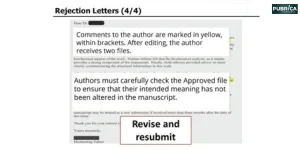
Publication Support Service
- Editing & Translation
-
Editing and Translation Services
- Sample Work

Editing and Translation Service
-
- Research Services
- Sample Work

Research Services
- Physician Writing
- Sample Work
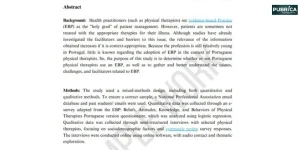
Physician Writing Service
- Statistical Analyses
- Sample Work

Statistical Analyses
- Data Collection
- AI and ML Services
- Sample Work
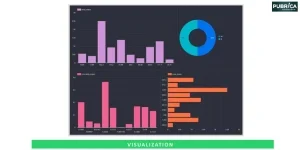
AI and ML Services
- Medical Writing
- Sample Work
Medical Writing
- Research Impact
- Sample Work
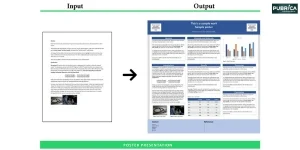
Research Impact
- Medical & Scientific Communication
- Sample Work
Medical & Scientific Communication
- Medico Legal Services
- Educational Content
- Academic Editorial Services
- Sample Work
Academic Editorial Services
- Educational Editorial Service
-
Education Editorial Services
- Sample Work
Education Editorial Services
-
- Industries
- Subjects
- About Us
- Academy
- Insights
- Contact Us
Ethical Considerations in Using Artificial Intelligence for Research Writing
- Home
- Academy
- AI and ML Services
- Ethical Considerations in Using Artificial Intelligence for Research Writing
High-Impact Journals
- Introduction to AI in Research Writing
- Role of Artificial Intelligence in Research Writing
- Key Ethical Considerations
- Ethical Challenges and Best Practices
- Importance of Ethical AI Use
- Best Practices for Responsible AI Usage
- Challenges in Implementation
- Future Perspectives of AI in Research
- Conclusion
Interesting topics
Ethical Considerations in Using Artificial Intelligence for Research Writing
Table of Contents
1. Introduction to AI in Research Writing
2. Role of Artificial Intelligence in Research Writing
3. Key Ethical Considerations
4. Ethical Challenges and Best Practices
5. Importance of Ethical AI Use
6. Best Practices for Responsible AI Usage
7. Challenges in Implementation
8. Future Perspectives of AI in Research
9. Conclusion
With the rapid pace at which research papers have developed with the use of Artificial Intelligence (AI), efficiency and improvement in language proficiency, as well as organizing data, have been achieved. AI-powered technology assists in developing content and literature reviews for researchers as well as recommending citations, particularly through AI-generated content in research. Ethical issues come up when incorporating AI into research writing, and it is imperative to address them properly. This paper discusses some ethical considerations about AI in research writing, including research ethics in AI writing. [1]
1. Role of AI in Research Writing
Various AI technologies can be utilised in the entire research process. They may be applied at the stage of conducting a literature review, manuscript writing, editing, plagiarism checking, and proper referencing. These tools are often considered among the best AI tools for research writing, helping researchers understand how to use AI in research writing effectively. AI applications make the work more efficient; however, they bring along some threats, like false information. [2]
2. Key Ethical Considerations
2.1. Academic Honesty and Plagiarism
One of the main issues related to AI writing services is the potential problem of plagiarism. An AI writing tool might produce plagiarised text by copying passages from some source materials and failing to cite the source.
- An AI tool must help rather than take the place of human authorship.
- Citations must be provided where necessary.
- Some universities might require disclosure of AI assistance.
2.2. Transparency and Disclosure
The use of AI while working on research papers requires transparency about its use. The researcher must be honest about how much they relied on AI for the paper, aligning with ethical guidelines for AI in education writing.[3]
2.3. Data Privacy and Confidentiality
AI algorithms may need to receive some form of data that could contain sensitive information. This could result in the exposure of personal information when using AI tools.[4]
- Do not provide any kind of confidential data
- Utilize reliable AI tools
- Be aware of the data privacy laws
2.4. Bias and Fairness
Bias in data used by AI algorithms may affect its output. As a result, AI-generated information may be biased, which could lead to erroneous findings in scientific studies.
- Critically assess AI-generated information
- Conduct cross-references with other sources
- Know about cultural, gender, and geographical biases
3. Ethical Challenges and Best Practices in AI Use [For Examples]
| Ethical Issue | Description | Best Practice |
| Plagiarism | Risk of unoriginal or copied content | Use plagiarism checks and proper citations |
| Transparency | Lack of disclosure of AI usage | Clearly mention AI involvement |
| Data Privacy | Exposure of sensitive research data | Avoid sharing confidential information |
| Bias | AI-generated content reflecting dataset biases | Critically review and validate outputs |
| Authorship | Confusion about contribution and credit | Acknowledge AI, retain human responsibility |
| Accuracy | Possibility of incorrect information | Cross-check with credible sources |
4. Importance of Ethical AI Use
Using artificial intelligence ethically in research writing is key to ensuring that such writings are credible in academic circles. If not used ethically, AI may lead to misinformation and academic dishonesty. Ethical application ensures compliance with research ethics in AI writing and protects academic integrity. [5]
5. Best Practices for Responsible AI Use
- Utilise AI technology as a complement, not an alternative, to critical thinking
- Always validate and verify generated text
- Adhere to institutional and journal guidelines
- Practice transparency in using AI technology
- Contribute to continuous education on ethical AI usage
6. Challenges in Implementation
Despite available guidelines, implementing ethical AI use remains challenging. There may be limited awareness among researchers, and regulatory frameworks are still evolving. The rapid advancement of AI technologies further complicates policy development in ethical guidelines for AI in education writing. [6]
7. Future Perspectives
As AI continues to evolve, the importance of ethical standards will grow. Institutions, publishers, and researchers must collaborate to develop robust frameworks. Training on how to use AI in research writing responsibly will become increasingly important.[7]
Connect with us to explore how we can support you in maintaining academic integrity and enhancing the visibility of your research across the world!
Conclusion
Artificial intelligence plays a significant role in modern research writing, especially through AI-generated content in research. However, it must be used responsibly to avoid ethical issues such as plagiarism, lack of transparency, confidentiality risks, bias, and accountability concerns. By following best practices and adhering to ethical guidelines for AI in education writing, researchers can ensure that AI enhances research quality while maintaining academic integrity.
Ethical Considerations in Using Artificial Intelligence for Research Writing. Our Pubrica consultants are here to guide you. [Get Expert Publishing Support] or [Schedule a Free Consultation]
References
- Chetwynd E. (2024). Ethical Use of Artificial Intelligence for Scientific Writing: Current Trends. Journal of human lactation : official journal of International Lactation Consultant Association, 40(2), 211–215. https://doi.org/10.1177/08903344241
- Maddali M. M. (2025). Pro: Artificial Intelligence in Manuscript Writing: Advantages of Artificial Intelligence-Based Manuscript Writing to the Authors. Annals of cardiac anaesthesia, 28(2), 198–200. https://doi.org/10.4103/aca.aca_6
- Yan, Y. H., Kung, C. M., Fang, S. C., & Chen, Y. (2017). Transparency of Mandatory Information Disclosure and Concerns of Health Services Providers and Consumers. International journal of environmental research and public health, 14(1), 53. https://doi.org/10.3390/ijerph140100
- Gliklich RE, Dreyer NA, Leavy MB, editors. Registries for Evaluating Patient Outcomes: A User’s Guide [Internet]. 3rd edition. Rockville (MD): Agency for Healthcare Research and Quality (US); 2014 Apr. 9, Protecting Data: Confidentiality and Legal Concerns of Providers, Manufacturers, and Health Plans. Available from: https://www.ncbi.nlm.nih.gov/books
- Harishbhai Tilala, M., Kumar Chenchala, P., Choppadandi, A., Kaur, J., Naguri, S., Saoji, R., & Devaguptapu, B. (2024). Ethical Considerations in the Use of Artificial Intelligence and Machine Learning in Health Care: A Comprehensive Review. Cureus, 16(6), e62443. https://doi.org/10.7759/cureus.6244
- National Academies of Sciences, Engineering, and Medicine; Policy and Global Affairs; Committee on Women in Science, Engineering, and Medicine; Committee on Policies and Practices for Supporting Caregivers Working in Science, Engineering, and Medicine; Wullert K, Fuentes-Afflick E, editors. Supporting Family Caregivers in STEMM: A Call to Action. Washington (DC): National Academies Press (US); 2024 May 29. 5, Barriers to Effective Policy Implementation. Available from: https://www.ncbi.nlm.nih.gov/books
- Takian, A., Haghighi, H., & Raoofi, A. (2021). Challenges, opportunities, and future perspectives. Environmental and Health Management of Novel Coronavirus Disease (COVID-19 ), 443–477. https://doi.org/10.1016/B978-0-323-85780-2.00011-1