
- Services
- Publication Support Services
-

Publication Support Service
-
- Editing & Translation
-

Editing and Translation Service
-
- Research Services
-
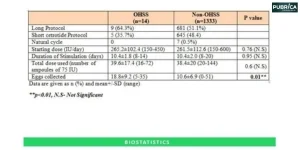
Research Services
-
- Physician Writing
-
Physician Writing Service
-
- Statistical Analyses
-
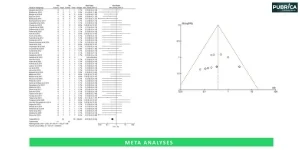
Statistical Analyses
-
- AI and ML Services
-

AI and ML Services
-
- Medical Writing
-
Medical Writing
-
- Research Impact
-
Research Impact
-
- Medical & Scientific Communication
-
Medical & Scientific Communication
-
- Academic Editorial Services
-
Academic Editorial Services
-
- Educational Editorial Service
-
Education Editorial Services
-
- Publication Support Services

Synthetic Peptide Development and Engineered Peptides
We use cutting-edge methods of peptide synthesis and modification to produce very pure and stable synthetic peptides which may be used as therapeutic agents or diagnostic tools.

Characterization and Analysis of Peptides
We utilize cutting-edge technologies such as mass spectrometry (MS), nuclear magnetic resonance (NMR), and chromatography to characterize peptides to accurately determine their structures as a new peptide drug.

Assessments of the Mechanisms of Action and Bioactivity of Peptides
Investigating how the mechanism of action of a peptide interacts with receptors, enzymes and other biological substrates to determine the therapeutic potential and mechanism of action of the peptide.

Preclinical/Clinical Study Support
We design and conduct preclinical/clinical studies that examine the safety, efficacy, and pharmacokinetic properties of peptide products.

Assessment of Immunogenicity and Toxicology
Using comprehensive methods of assessment to predict the potential for an immune or toxic reaction to peptide drugs in humans.

Regulatory/Compliance Support
Providing guidance through the complex regulatory requirements that must be followed for peptide product approval, preparing the documentation necessary for regulatory approvals of peptide products and negotiating compliance with both national and international guidelines and standards.









Peptide vaccines are an important part of developing vaccines against cancer and infectious diseases by specifically targeting antigens.

Diagnostic tools allow for the identification of disease biomarkers through various assays which facilitate diagnosing diseases as well as monitoring their progression.

Antimicrobial peptides provide an alternative to antibiotics and can be used to prevent infection and support wound healing

Peptide hormones are used to treat metabolic and hormonal disorders such as insulin and human growth hormone.

Targeted Drug Delivery Peptides have been used to facilitate the delivery of therapeutic agents for higher efficacy and lower toxicity at the site of action.

Cosmetics and anti-aging agents using peptides stimulate the production of collagen which helps in reducing wrinkles in the skin.

Peptide Biosensors can be used to detect pollutants, pathogens, and toxins with quick and accurate monitoring capabilities.

Enzyme inhibitors can be used to control the activity of enzymes in the biological process of disease management.


Pubrica's expertise in peptide research and scientific communication has been invaluable in advancing our projects. Their team ensures our work is accurately represented in top-tier journals, and their attention to detail is unmatched.


Working with Pubrica has been a game-changer for our peptide-based drug development. Their support in regulatory submissions and publication strategies has streamlined our process, allowing us to focus on innovation.


The quality of Pubrica's scientific writing and publication support has consistently exceeded our expectations. Their deep understanding of peptide science ensures our research makes a meaningful impact.



"Pubrica’s team provided exceptional support throughout my meta-analysis cardiovascular drug efficacy. Their adherence to PRISMA guidelines and attention to statistical detail helped me publish in the European Heart Journal. Highly recommended"
— Dr. Anna Müller
Cardiologist, University Hospital Munich, Germany

"The meta-analysis manuscript I co-authored with Pubrica’s experts was accepted by BMC Public Health without major revisions. Their data synthesis and transparent methodology were critical to this success."
— Dr. Rohan Mehta
Public Health Researcher,
All India Institute of Medical Sciences (AIIMS), India


"Thanks to Pubrica’s guidance, our meta-analysis on paediatric nutrition was published in The Lancet Child & Adolescent Health. The methodological rigor and rewriting support were key contributors to the paper’s clarity and impact."
— Dr. Luis Fernández
Pediatrician & Research Fellow, University of Barcelona, Spain


How to Structure Case Reports and Review Articles for Medical Journals
Medical journals expect a structure for case reports and review articles, with clear objectives....

How Should Physicians Choose the Right Journal for Submitting a Case...
Publishing a case report involves more than clinical knowledge; it also demands strategic journal ....

How Physicians Can Write Clear and Impactful Patient Education Materials
Effective patient education materials (PEMs) are crucial for promoting health literacy, enhancing....