
- Services
- Discovery & Intelligence Services
- Publication Support Services
- Sample Work

Publication Support Service
- Editing & Translation
-
Editing and Translation Services
- Sample Work
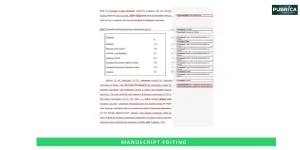
Editing and Translation Service
-
- Research Services
- Sample Work
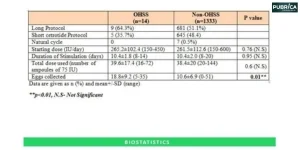
Research Services
- Physician Writing
- Sample Work
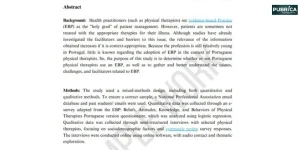
Physician Writing Service
- Statistical Analyses
- Sample Work
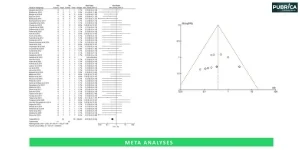
Statistical Analyses
- Data Collection
- AI and ML Services
- Sample Work
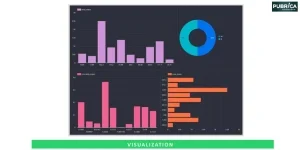
AI and ML Services
- Medical Writing
- Sample Work
Medical Writing
- Research Impact
- Sample Work
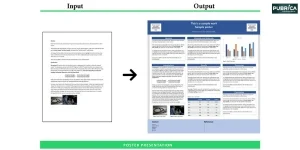
Research Impact
- Medical & Scientific Communication
- Sample Work
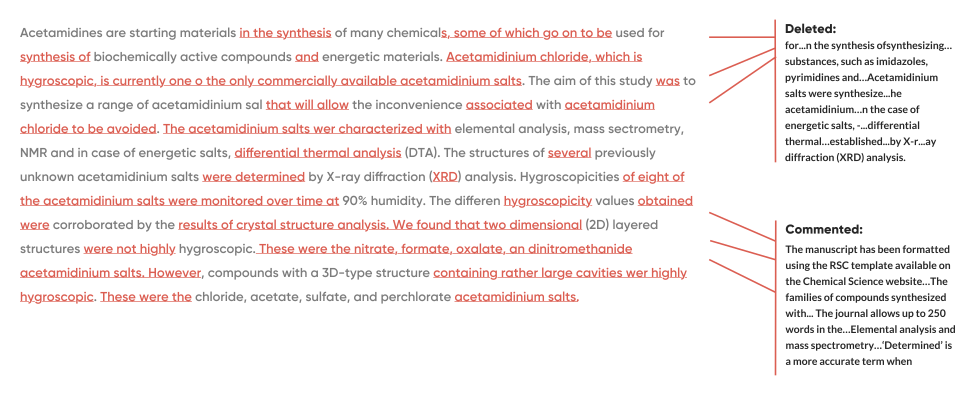
Medical & Scientific Communication
- Medico Legal Services
- Educational Content
- Academic Editorial Services
- Sample Work
Academic Editorial Services
- Educational Editorial Service
-
Education Editorial Services
- Sample Work
Education Editorial Services
-
- Industries
- Subjects
- About Us
- Academy
- Insights
- Contact Us
What Are Dependent, Independent, and Moderator Variables?
- Home
- Academy
- Systematic Review
- What Are Dependent, Independent, and Moderator Variables?
High-Impact Journals
Interesting topics
What Are Dependent, Independent, and Moderator Variables?
Independent, dependent, and moderator variables are important types in research design; they are also referred to collectively as research variables explained. They represent the connections that exist between different elements, and they allow researchers to systematically test their hypotheses. As such, they have a profound impact on research in many disciplines, including psychology, business, healthcare, and the social sciences.[1]
1. What Is an Independent Variable?
The independent variable is the experimental factor that is manipulated or controlled by an experimenter to see how a change in the independent variable will impact the dependent variable in research, also called dependent measure. An independent variable may be considered a cause in a cause-and-effect relationship and is key in understanding independent vs dependent variables.
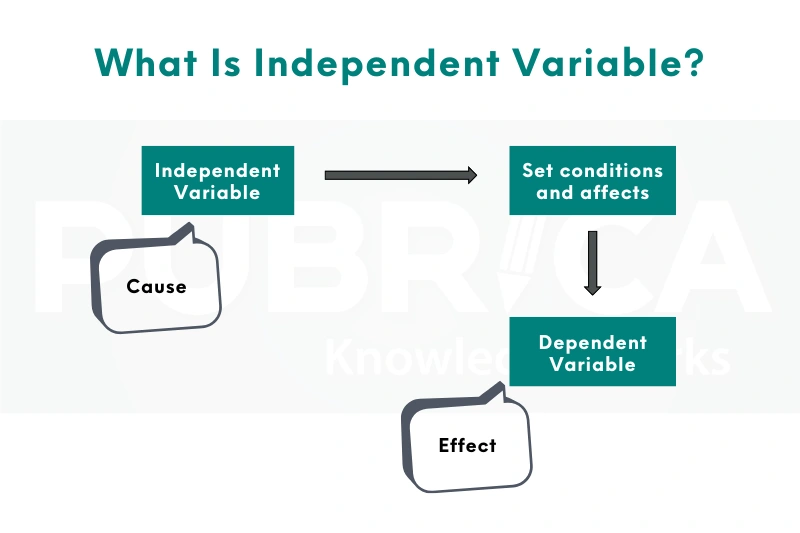
The following are key characteristics of independent variables:
- Controlled or changed by the experimenter
- Cause changes in the dependent variable in an experimental study
- May have different levels of treatment. Examples would be low, med, and high.
Example: In an example of a study on the impact of the number of hours of studying on academic performance on a test.
Independent Variable: Number of hours of studying.
2. What Is a Dependent Variable?
The dependent variable (DV) in an experiment is the measurable response variable, which is influenced by changes in the independent variable. This is commonly referred to as the dependent variable in research. [2]
Key Features of a Dependent Variable:
- Represents the resultant change or effect of the independent variable.
- Measured or observed.
- Changes because of the Independent Variable’s Changes.
Example of a Dependent Variable:
Dependent Variable Examples: Scores on Tests
3. What Is a Moderator Variable?
An example of a moderator variable changes the strength or the direction of the relationship between an independent variable (IV) and dependent variable (DV). In this case, a moderator variable will tell how or for whom an effect occurs.
- They change the relationship between the IV and DV
- They do not directly cause the DV
- They are typically categorical (e.g., gender, age)
Moderator Variable: level of student motivation → The higher the level of student motivation, the stronger the relationship between the number of hours of study and their test performance.
4. Key Differences Between Variables
| Variable Type | Definition | Role in Research | Example |
| Independent Variable | Factor manipulated by the researcher | Cause | Study hours |
| Dependent Variable | Outcome being measured | Effect | Exam performance |
| Moderator Variable | Influences the strength/direction of the relationship | Interaction | Motivation level |
5. How These Variables Work Together
These variables, as part of types of research variables, interact with each other to provide us with more accurate explanations of the relationship they share with one another.
An example might be the following:
- Independent Variable- Study Hours
- Dependent Variable- Exam Scores
- Moderator Variable- Level of Motivation
The interpretation of these variables is that if you study longer for an exam, then you will most likely receive a higher score. However, this effect of studying longer has a stronger influence on the exam scores received from highly motivated students. This helps in better understanding independent vs dependent variables in complex situations.
6. Importance in Research Design
It is necessary to comprehend these variables to complete each of the following objectives: [3]
- To build solid hypotheses: A well-defined variable will lead to a well-defined research question that can be measured.
- To enhance data analysis: Moderator variables facilitate the analysis of interactions (e.g., regression models).
- To improve the overall validity of research conducted.
Clearly identified variables reduce the potential for bias and improve the likelihood of a reliable outcome.
To support complex statistical models.
Used with:
- Regression analysis.
- ANOVA/MANOVA; and
- Structural equation modelling (SEM)
7. Common Mistakes Students Make
Students tend to confuse the variables, especially when learning research variables explained, resulting in a poor research design.
Common Mistakes |
|
Sample Error |
|
Connect with us to explore how we can support you in maintaining academic integrity and enhancing the visibility of your research across the world!
Conclusion
Quantitative research is based on the independent and dependent variables. The independent variable(s) explain(s) why the dependent variable in research occurred, while the moderator variable(s) help define the complexity of the relationship. Understanding types of research variables and independent vs dependent variables ensures clarity in research, accurate analysis, and quality study design. Mastering these concepts will enable researchers to design studies that produce stronger evidence-based conclusions.
What Are Dependent, Independent, and Moderator Variables? Our Pubrica consultants are here to guide you. [Get Expert Publishing Support] or [Schedule a Free Consultation]
References
- Kılavuz, M., Kanbay, Y., & Ağralı, C. (2026). The mediating role of loneliness and the moderating role of digital dementia in the relationship between social appearance anxiety and happiness: a moderated mediation model. BMC psychology, 14(1), 363. https://doi.org/10.1186/s40359-026-04011-9
- Statistics resources: Independent and dependent variables. (2019, January 1). Resources.nu.edu. https://resources.nu.edu/stats
- Taylor, M., Garner, P., Oliver, S., & Desmond, N. (2026). Expert stakeholders on the role of qualitative research in World Health Organisation guidelines. Health policy and planning, 41(3), 433–441. https://doi.org/10.1093/heapol/