
- Services
- Discovery & Intelligence Services
- Publication Support Services
- Sample Work
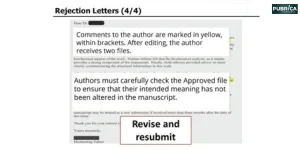
Publication Support Service
- Editing & Translation
-
Editing and Translation Services
- Sample Work

Editing and Translation Service
-
- Research Services
- Sample Work

Research Services
- Physician Writing
- Sample Work
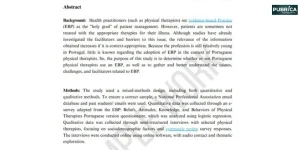
Physician Writing Service
- Statistical Analyses
- Sample Work
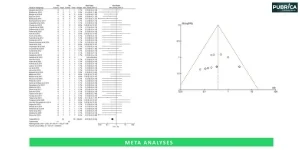
Statistical Analyses
- Data Collection
- AI and ML Services
- Sample Work

AI and ML Services
- Medical Writing
- Sample Work
Medical Writing
- Research Impact
- Sample Work
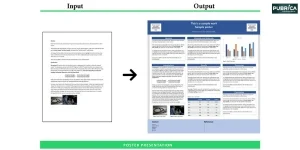
Research Impact
- Medical & Scientific Communication
- Sample Work
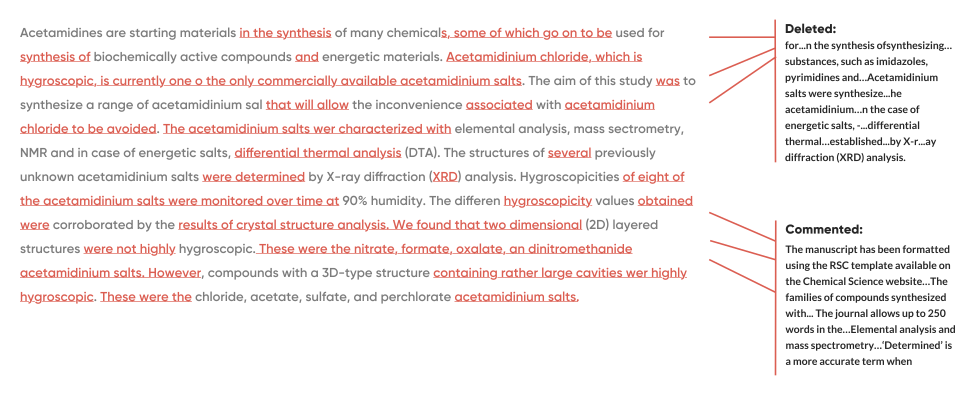
Medical & Scientific Communication
- Medico Legal Services
- Educational Content
- Academic Editorial Services
- Sample Work
Academic Editorial Services
- Educational Editorial Service
-
Education Editorial Services
- Sample Work
Education Editorial Services
-
- Industries
- Subjects
- About Us
- Academy
- Insights
- Contact Us
How to Conduct a Systematic Review: Complete Step-by-Step Research Guide
- Home
- Academy
- systematic review
- How to Conduct a Systematic Review: Complete Step-by-Step Research Guide
High-Impact Journals
- How to Develop a Research Question for a Systematic Review
- Systematic Review Protocol Development
- Defining Inclusion and Exclusion Criteria in a Systematic Review
- How to Conduct a Comprehensive Literature Search for a Systematic Review
- Reference Management and Screening Tools for Systematic Reviews
- Study Screening and Selection Process in a Systematic Review
- Data Extraction in Systematic Reviews: Collecting Key Study Information
- Risk of Bias Assessment and Study Quality Evaluation in Systematic Reviews
- Data Synthesis in Systematic Reviews: Meta-Analysis and Narrative Synthesis
- Reporting Systematic Review Findings with PRISMA 2020 Guidelines
Interesting topics
How to Conduct a Systematic Review: Complete Step-by-Step Research Guide
1. How to Develop a Research Question for a Systematic Review
2. Systematic Review Protocol Development
3. Defining Inclusion and Exclusion Criteria in a Systematic Review
4. How to Conduct a Comprehensive Literature Search for a Systematic Review
5. Reference Management and Screening Tools for Systematic Reviews
6. Study Screening and Selection Process in a Systematic Review
7. Data Extraction in Systematic Reviews: Collecting Key Study Information
8. Risk of Bias Assessment and Study Quality Evaluation in Systematic Reviews
9. Data Synthesis in Systematic Reviews: Meta-Analysis and Narrative Synthesis
10. Reporting Systematic Review Findings with PRISMA 2020 Guidelines
Conducting a systematic review involves a rigorous, seven-step process to answer a specific research question by identifying, appraising, and synthesizing all relevant studies. Key steps include defining the question using PICO, creating a protocol, conducting comprehensive searches, screening studies, evaluating quality, extracting data, and synthesizing findings.
Systematic reviews are standardized research methods, used to discover, assess, and combine all available information on one subject. Understanding the Systematic Review Methodology is essential for ensuring transparency, reproducibility, and minimizing bias in evidence synthesis. They differ from narrative reviews, which employ explicit procedures and exhaustive search methods to minimize any bias in developing results and maintain procedural integrity. In addition to being critical for academics, they also serve as a basis for creating evidence-based recommendations and helping shape future research areas in healthcare, social sciences, and local, state, and federal government policy.[1] To understand the complete process in detail, it is important to learn How to Conduct a Systematic Review through a structured and transparent approach to evidence synthesis.
1. How to Develop a Research Question for a Systematic Review
A clear research question is the foundation. Use PICO frameworks to define: [2]
| Element | Description | Example |
| P (Population) | Who is being studied | Adults with type 2 diabetes |
| I (Intervention/Exposure) | Treatment or exposure of interest | Structured exercise program |
| C (Comparator) | Control or alternative | Standard care or no intervention |
| O (Outcome) | Measurable outcomes | HbA1c levels, physical activity |
2. Systematic Review Protocol Development
Protocols promote transparency and minimization of bias. A protocol must include: [3]
- Objectives and rationale
- Eligibility criteria
- Databases and search strategy
- Data extraction and analysis plan
- Risk of bias assessment
Registering your protocol with PROSPERO will also help establish credibility. Following the Steps of a Systematic Review ensures that the protocol clearly outlines the entire review process before research begins.
3. Defining Inclusion and Exclusion Criteria in a Systematic Review
In order to ensure transparency and consistency in the process of a systematic review, it is important to have clear criteria for inclusion and exclusion. Inclusion and exclusion criteria will play a critical role in determining what will qualify as relevant information to be used in the process. In general, criteria for inclusion will be based on different parameters, such as the type of research used, the type of population used in the research, type of intervention or exposure used in the research, type of outcome used in the research, language, and the period of publication.
Having criteria in place prior to the commencement of the research will help to reduce bias in the selection process. It will also ensure that only relevant information that relates to the research question at hand will be used in the process.
4. How to Conduct a Comprehensive Literature Search for a Systematic Review
Identify all relevant sources through comprehensive search across all [4]
| Databases | Search Strategy |
| For Combined Terms use: AND, OR, NOT Be careful when applying filters (ex. Language, Date of Publication) Take notes of every step-in search strategy as documentation for replication. |
Example: Search Strategy | ||
Database | Keywords | Filters |
PubMed | Type 2 diabetes and exercise and RCT | Last 10 years, English |
Scopus | Diabetes Mellitus and Physical Activity | Human studies, Peer-reviewed |
This structured search approach is a core component of Systematic Literature Review Methodology used in evidence synthesis.
5. Reference Management and Screening Tools for Systematic Reviews
In some cases, the number of research articles to be handled can run into hundreds or thousands. Reference management and screening tools can help in the management of citations, eliminating duplicate articles, and improving the process of article screening. These tools can also help in collaboration among different reviewers by providing access to articles.
Some of the commonly used reference management tools include EndNote and Zotero. These tools can help in the management of citations. For the process of systematic review, some tools like Rayyan and Covidence can help in the process of title/abstract screening, resolving discrepancies among reviewers, and improving the process of article screening.
6. Study Screening and Selection Process in a Systematic Review
The first step to screening the literature includes title screens and abstracts. The full text of any eligible studies will be reviewed. Inclusion exclusion criteria for studies will be as follows:
Study Design: RCTs, cohort studies, etc.
- Characteristics of the population studied
- Types of outcomes measured.
- At least two independent reviewers must conduct the initial screening and resolve any disagreements by discussing or by having a third reviewer assist.
7. Data Extraction in Systematic Reviews: Collecting Key Study Information
Use standardised forms to collect relevant data: [6]
- Study characteristics (author, year, country)
- Participant demographics
- Intervention details
- Outcomes and results
8. Risk of Bias Assessment and Study Quality Evaluation in Systematic Reviews
Assess Study Quality and Trustworthiness of Study Results.
Method Tool | Indications of Study Quality |
Cochrane Risk of Bias Tool for Randomised Controlled Trials ROBINS-I Risk of Bias Assessment Tool for Non-Randomised Studies GRADE: Overall Assurance of Quality of Evidence | Study Quality was Assessed on Study Design, Study Inclusion, Study Exclusion, and Missing Data. Create a Table that Lists Study Quality and Sources of Bias for Each Study Reviewed. |
9. Data Synthesis in Systematic Reviews: Meta-Analysis and Narrative Synthesis
- Meta-analysis will be performed if all included studies show similarities.
- For Narrative synthesis purposes, studies will be examined if they differ from each other.
- To include statistics, report pooled effects and CI (Confidence Interval).
- Use Forest plots as a means of visualising how results compare with each other.
- Applying the PRISMA process ensures proper synthesis and clear presentation.
10. Reporting Systematic Review Findings with PRISMA 2020 Guidelines
Transparent reporting is essential for ensuring the credibility and reproducibility of systematic reviews. Following the PRISMA Systematic Review Guidelines helps researchers clearly report the literature search, study selection, and evidence synthesis process. The PRISMA 2020 Statement provides a structured framework for clearly documenting each stage of the review process, including literature search, study selection, data extraction, and risk of bias assessment.
Researchers should summarize the characteristics of included studies, present key outcomes, and discuss potential limitations. Visual tools such as PRISMA flow diagrams, summary tables, and forest plots can help present findings clearly. Following PRISMA 2020 guidelines enhances transparency, improves reporting quality, and strengthens the reliability and impact of systematic review research.
Connect with us to explore how we can support you in maintaining academic integrity and enhancing the visibility of your research across the world!
Conclusion
Systematic review helps in a structured and transparent way of searching, appraising, and summarizing existing research evidence. By following certain important steps, such as formulating a research question, specifying criteria for inclusion, carrying out a comprehensive literature search, screening studies, extracting data, and evaluating risk of bias, it is possible to ensure methodological rigor and reduce bias.
By using standardized reporting tools such as the PRISMA 2020 Statement and following appropriate evidence synthesis techniques such as Meta-analysis, it is possible to enhance transparency and accuracy. Systematic reviews thus have an important role to play in evidence-based research in summarizing existing knowledge and informing future research. Researchers often rely on professional Systematic Review Writing Services and Systematic Review Consulting Services to ensure methodological accuracy and publication-quality reporting.
Turn Your Systematic Review into a High-Impact Publication! Get expert support for literature search, evidence synthesis, and PRISMA-compliant reporting from Pubrica to accelerate your research journey. [Get Expert Assistance] or [Schedule a Free Consultation]
References
- Calderon Martinez, E., Flores Valdés, J. R., Castillo, J. L., Castillo, J. V., Blanco Montecino, R. M., Morin Jimenez, J. E., Arriaga Escamilla, D., & Diarte, E. (2023). Ten Steps to Conduct a Systematic Review. Cureus, 15(12), e51422. https://doi.org/10.7759/cureus.51422
- Ratan, S. K., Anand, T., & Ratan, J. (2019). Formulation of Research Question – Stepwise Approach. Journal of Indian Association of Pediatric Surgeons, 24(1), 15–20. https://doi.org/10.4103/jiaps.JIAPS
- Cameli, M., Novo, G., Tusa, M., Mandoli, G. E., Corrado, G., Benedetto, F., Antonini-Canterin, F., & Citro, R. (2018). How to Write a Research Protocol: Tips and Tricks. Journal of cardiovascular echography, 28(3), 151–153. https://doi.org/10.4103/jcecho.jcech
- Ecker, E. D., & Skelly, A. C. (2010). Conducting a winning literature search. Evidence-based spine-care journal, 1(1), 9–14. https://doi.org/10.1055/s-0028-1100887
- Schmidt, L., Finnerty Mutlu, A. N., Elmore, R., Olorisade, B. K., Thomas, J., & Higgins, J. P. T. (2021). Data extraction methods for systematic review (semi)automation: Update of a living systematic review. F1000Research, 10, 401. https://doi.org/10.12688/f100