
- Services
- Discovery & Intelligence Services
- Publication Support Services
- Sample Work
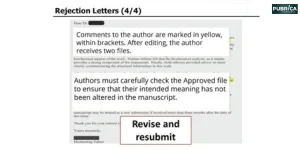
Publication Support Service
- Editing & Translation
-
Editing and Translation Services
- Sample Work
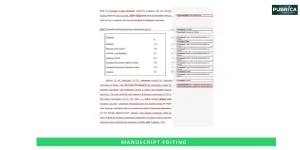
Editing and Translation Service
-
- Research Services
- Sample Work
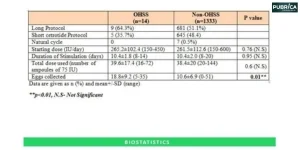
Research Services
- Physician Writing
- Sample Work

Physician Writing Service
- Statistical Analyses
- Sample Work
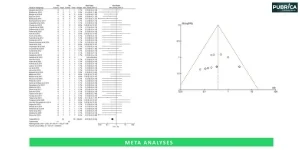
Statistical Analyses
- Data Collection
- AI and ML Services
- Sample Work
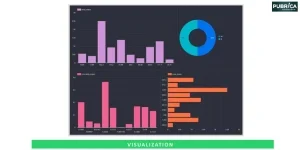
AI and ML Services
- Medical Writing
- Sample Work
Medical Writing
- Research Impact
- Sample Work
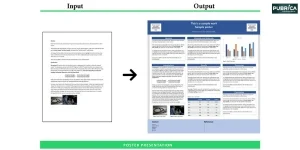
Research Impact
- Medical & Scientific Communication
- Sample Work
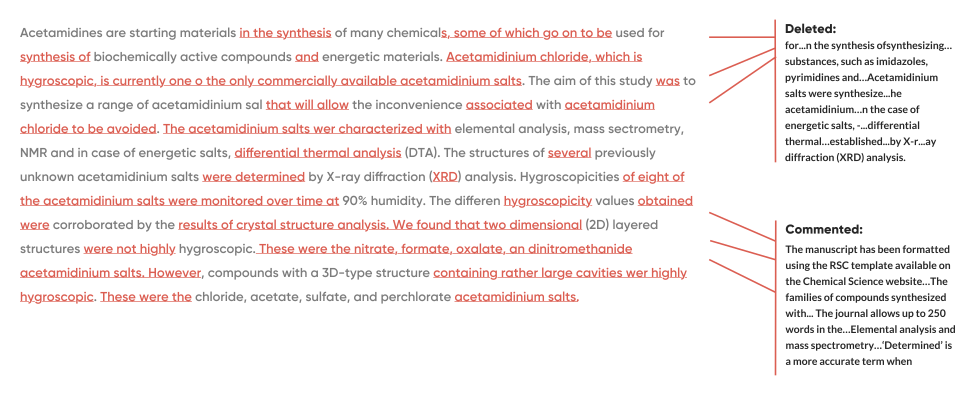
Medical & Scientific Communication
- Medico Legal Services
- Educational Content
- Academic Editorial Services
- Sample Work
Academic Editorial Services
- Educational Editorial Service
-
Education Editorial Services
- Sample Work
Education Editorial Services
-
- Industries
- Subjects
- About Us
- Academy
- Insights
- Contact Us
Journal Selection in Clinical and Biomedical Research: A Comprehensive Guide
High-Impact Journals
- Understanding the Importance of Journal Selection
- Defining the Scope and Audience of Your Research
- Evaluating Journal Quality and Scientific Impact
- Indexing Databases and Journal Visibility
- Understanding Peer Review and Editorial Policies
- Matching Manuscript Type with Journal Requirements
- Common Reasons for Journal Rejection
- A Systematic Framework for Journal Selection
- Future Trends in Biomedical Journal Publishing
- Conclusion
Interesting topics
Journal Selection in Clinical and Biomedical Research: A Comprehensive Guide
The process of publishing scientific research in an appropriate journal is one of the most important phases in clinical and biomedical research. Biomedical Research Journal Selection is a critical step that influences manuscript acceptance, research visibility, citation impact, and the overall contribution of scientific findings to clinical medicine. Choosing the right journal impacts the process of manuscript acceptance, research visibility, citation impact, and the overall contributions of the scientific findings to clinical medicine. The choice of an inappropriate journal usually leads to manuscript rejection without peer review, unnecessary delays in publication, and resubmission of the manuscript. [1]
There are significant differences between Clinical research journals and Biomedical research journals in terms of their scope, audience, editorial requirements, indexing, and reporting guidelines. Consequently, it is necessary for researchers to consider not only traditional criteria such as Impact Factor, but also other important parameters outlined in a Journal selection guide. [2]
1. Understanding the Importance of Journal Selection
Journal selection is a scientific decision and not a formality when submitting a manuscript. Clinical Research Journal Selection should align with the research objectives, target readership, and scientific contribution. If the study is clinical in nature involving patient outcomes, diagnosis, treatment modalities, and epidemiology, then such research should be submitted to appropriate Clinical research journals.
A suitable journal will increase the chances of the manuscript being reviewed by experts in the field which in turn will enhance the peer-review process as well as increase the chances of publication of the research paper among clinicians, medical practitioners, biomedical scientists, and policymakers who will make use of it. [1]
2. Defining the Scope and Audience of Your Research
3. Evaluating Journal Quality and Scientific Impact
Journal quality extends beyond citation metrics. While Journal Impact Factor and Cite Score are useful indicators, they should be evaluated alongside editorial quality. A comprehensive Journal selection guide recommends assessing editorial board expertise, peer-review standards, ethical policies, and compliance with ICMJE and COPE recommendations. [3]
Journal Evaluation
Evaluation Parameter | Importance in Journal Selection |
Scientific Scope | Determines manuscript suitability |
Editorial Quality | Reflects scientific credibility |
Peer Review Process | Ensures methodological rigor |
Citation Metrics | Indicates research influence |
Publication Ethics | Supports research integrity |
Indexing Status | Improves article visibility |
4. Indexing Databases and Journal Visibility
Indexing plays an important role in increasing research dissemination. Biomedical Research Journal Selection should include verification that the target journal is indexed in PubMed/MEDLINE, Scopus, Web of Science, Embase, or DOAJ. Publishing in indexed Biomedical research journals improves visibility, citations, and research assessment outcomes.
5. Understanding Peer Review and Editorial Policies
Peer review remains the foundation of scientific publishing. Researchers involved in Clinical Research Journal Selection should carefully review editorial policies, peer-review procedures, plagiarism screening, conflicts of interest, and data-sharing requirements before submission. [4]
Clear editorial policies aid authors in comprehending the time frame for manuscript handling, reviewers’ criteria, conflicts of interest, plagiarism checking, and data sharing. Editorial guidelines are usually adopted by journals publishing better scientific evidence.
6. Matching Manuscript Type with Journal Requirements
Different journals accept different manuscript types. Following the Biomedical journal selection process helps researchers ensure their manuscript type aligns with journal requirements and reporting guidelines such as CONSORT, PRISMA, STROBE, CARE, and ARRIVE.
Common Manuscript Types in Clinical Journals
Manuscript Type | Reporting Guideline |
Clinical Trial | |
Systematic Review | PRISMA |
Observational Study | STROBE |
Case Report | CARE |
Animal Research | ARRIVE |
7. Common Reasons for Journal Rejection
Rejection by editors often happens prior to external peer review as the research is not within the scientific scope of the journal or does not satisfy the standards of publication.
Some other causes of rejection include low quality methodology, bad statistics, lack of novelty, insufficient ethical information, poor language, and failure to follow author instructions. Proper selection of the journal and preparation of the manuscript increase the chances of successful publication.
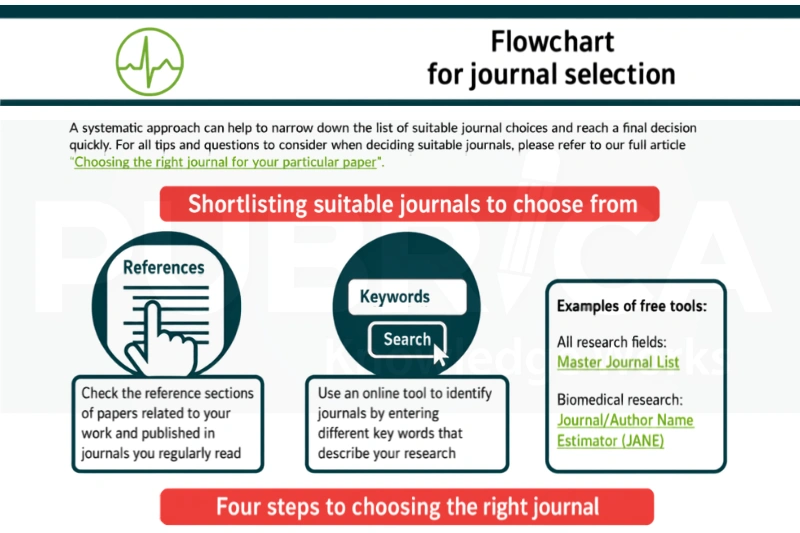
8. A Systematic Framework for Journal Selection
A structured decision-making process must be considered by researchers in journal selection. This includes journal identification, aim and scope review, indexation check, impact factor comparison, recent article review, publishing duration, and ethical compliance. [5]
It will help in avoiding submission mistakes and increasing the visibility of the scientific work.
9. Future Trends in Biomedical Journal Publishing
Digital technology and AI, along with open science, have become key components of scientific publication. AI-supported manuscript screening, peer review transparency, preprints, open access, and research data sharing are revolutionising the way biomedical information is communicated.
In the future, there is going to be a combination of research transparency and research reproducibility metrics in journal selection criteria.
Connect with us to explore how we can support you in maintaining academic integrity and enhancing the visibility of your research across the world!
Conclusion
Choosing the right journal is one of the most important decisions in scientific publishing. A structured Biomedical journal selection process, supported by a reliable Journal selection guide, helps researchers identify suitable Clinical research journals and Biomedical research journals that maximize visibility, reduce manuscript rejection, and enhance the overall impact of scientific research. Following the best journal selection guide for researchers contributes to successful publication and broader dissemination of research findings.
Journal Selection in Clinical and Biomedical Research: A Comprehensive Guide. Our Pubrica consultants are here to guide you. [Get Expert Publishing Support] or [Schedule a Free Consultation]
Frequently Asked Questions (FAQs)
Choosing the right journal improves manuscript acceptance, research visibility, and citation impact.
Evaluate the journal’s scope, target audience, indexing, peer review process, and author guidelines before submission.
Indexed journals increase the visibility, credibility, and discoverability of your research.
Common reasons include poor journal fit, formatting errors, weak methodology, lack of novelty, and failure to follow author guidelines.
Researchers should consider the journal’s scope, indexing status, impact metrics, editorial policies, peer review process, and publication timelines.
References
- Ramia J. M. (2023). How to select a journal for your research. World journal of gastroenterology, 29(21), 3379–3384. https://doi.org/10.3748/wjg.v29.i21.3379
- (N.d.). Nih.gov. Retrieved July 14, 2026, from https://pmc.ncbi.nlm.nih.gov/pub/journalselect/
- Mech, E., Ahmed, M. M., Tamale, E., Holek, M., Li, G., & Thabane, L. (2020). Evaluating Journal Impact Factor: a systematic survey of the pros and cons, and overview of alternative measures. The journal of venomous animals and toxins including tropical diseases, 26, e20190082. https://doi.org/10.1590/1678-9199-JVATITD-2019-0082
- Hamilton, D. G., Fraser, H., Hoekstra, R., & Fidler, F. (2020). Journal policies and editors’ opinions on peer review. eLife, 9, e62529. https://doi.org/10.7554/eLife.62529
- Calderon Martinez, E., Ghattas Hasbun, P. E., Salolin Vargas, V. P., García-González, O. Y., Fermin Madera, M. D., Rueda Capistrán, D. E., Campos Carmona, T., Sanchez Cruz, C., & Teran Hooper, C. (2025). A comprehensive guide to conduct a systematic review and meta-analysis in medical research. Medicine, 104(33), e41868. https://doi.org/10.1097/MD.0000000000041868