
- Services
- Discovery & Intelligence Services
- Publication Support Services
- Sample Work
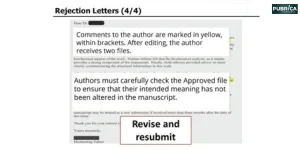
Publication Support Service
- Editing & Translation
-
Editing and Translation Services
- Sample Work

Editing and Translation Service
-
- Research Services
- Sample Work
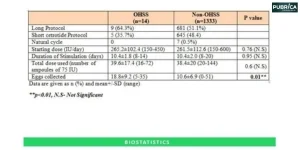
Research Services
- Physician Writing
- Sample Work
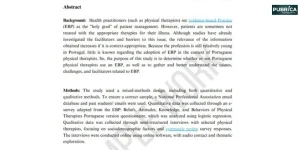
Physician Writing Service
- Statistical Analyses
- Sample Work
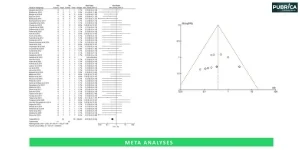
Statistical Analyses
- Data Collection
- AI and ML Services
- Sample Work
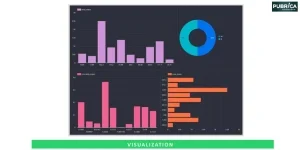
AI and ML Services
- Medical Writing
- Sample Work
Medical Writing
- Research Impact
- Sample Work
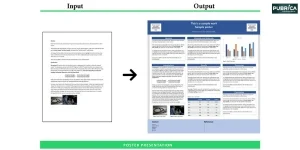
Research Impact
- Medical & Scientific Communication
- Sample Work
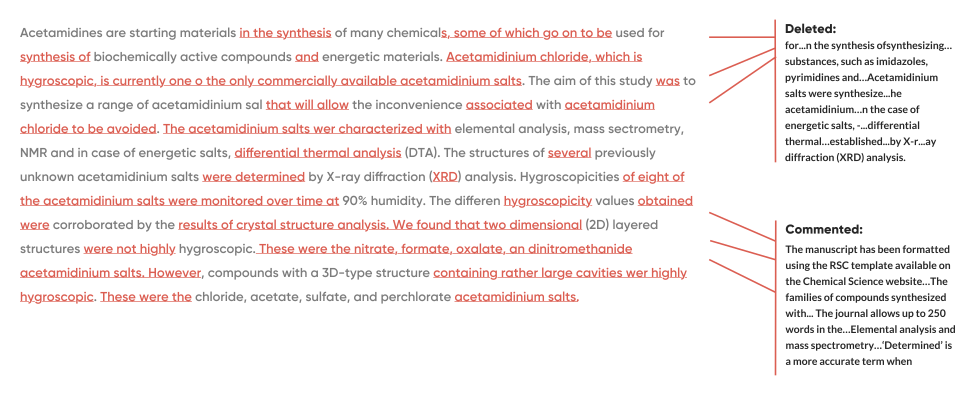
Medical & Scientific Communication
- Medico Legal Services
- Educational Content
- Academic Editorial Services
- Sample Work
Academic Editorial Services
- Educational Editorial Service
-
Education Editorial Services
- Sample Work
Education Editorial Services
-
- Industries
- Subjects
- About Us
- Academy
- Insights
- Contact Us
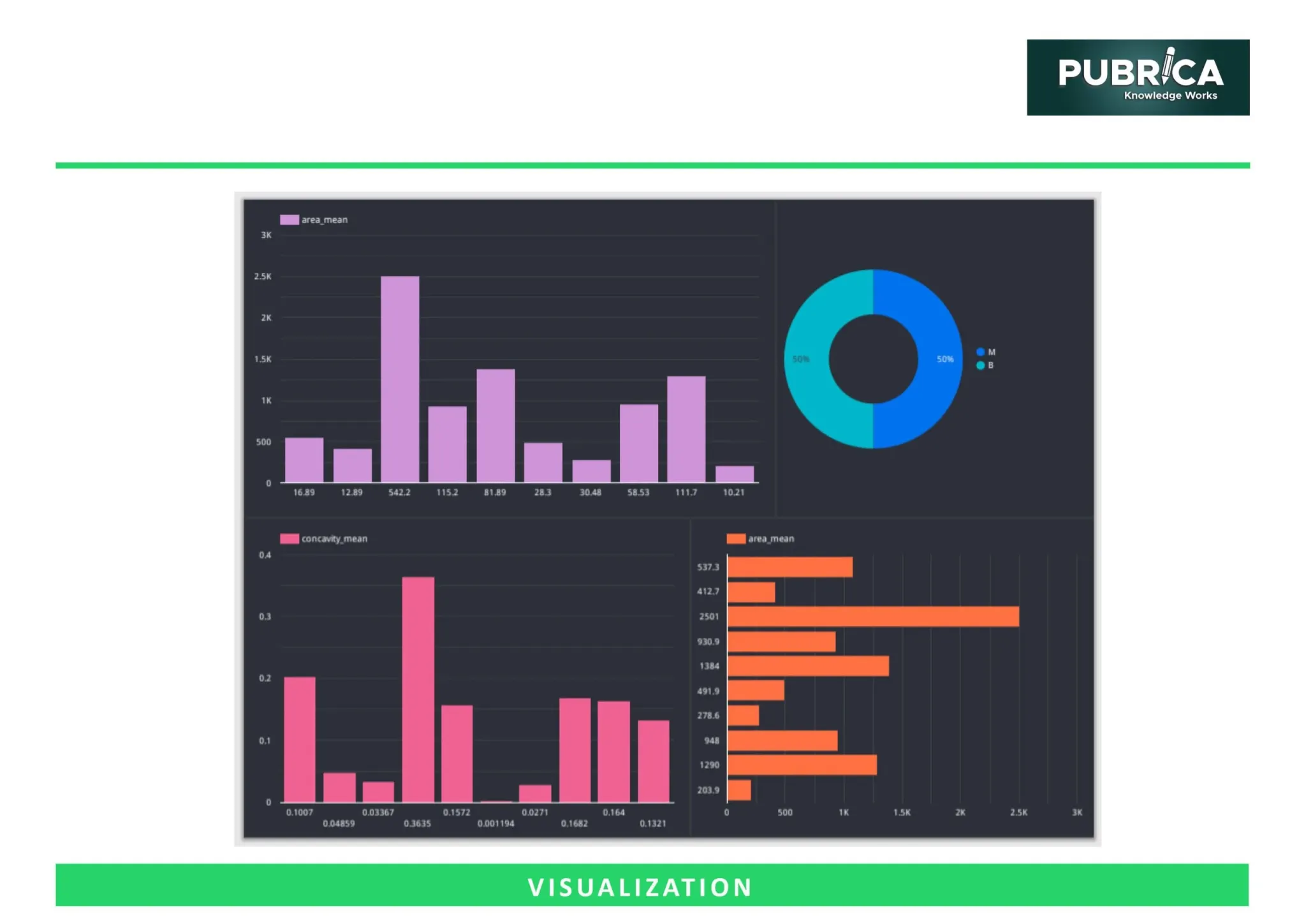
How to Write a Research Paper for Publication
- Home
- Academy
- Statistical analysis
- How to Write a Research Paper for Publication
High-Impact Journals
Interesting topics
How to Write a Research Paper for Publication
Writing a research paper for publication involves selecting a clear research question, adhering to a structured scientific format, and meeting the journal’s specific guidelines. A strong paper presents original findings, explains methods transparently, and provides evidence-based conclusions supported by proper citations.
1. Types of Research Papers
Research papers vary based on their objectives, methodology, and style. Identifying the right type ensures clarity, credibility, and alignment with publication standards. The most common ones include:
Paper Type | Purpose | Key Features | Example |
Original Research [1] | Present new findings | IMRAD format, figures, tables | Perera, V., Wardlow, L., Sobhanie, M. M., Coe, K., & Leininger, J. M. (2025). Daptomycin versus beta-lactam-based therapy for the treatment of enterococcal endocarditis and other endovascular infections: a retrospective cohort study. BMC Infectious Diseases, 25(1), 1361. https://doi.org/10.1186/s12879-025-11697-6 |
Review Article [2] | Summarize existing knowledge | Narrative, systematic, meta-analysis | Dai, C. S., Mishra, A., Edd, J., Toner, M., Maheswaran, S., & Haber, D. A. (2025). Circulating tumor cells: Blood-based detection, molecular biology, and clinical applications. Cancer Cell, 43(8), 1399–1422. https://doi.org/10.1016/j.ccell.2025.07.008 |
Short Communication [3] | Share preliminary/urgent findings | Brief, rapid publication | Jiao, Y., Cai, Y., Zhang, Y., Choy, K.-T., Cheng, K.-M., Nicholls, J. M., Lam, P.-K., Yen, H.-L., & Rainer, T. H. (2025). Use of the H1N1 strain A/PR/8/34 influenza to build a mouse model of viral respiratory sepsis. Laboratory Animal Research, 41(1), 16. https://doi.org/10.1186/s42826-025-00248-4 |
Case Study [4] | Highlight rare or unique cases | Detailed analysis, practical insights | Jüchtern, M. (2025). MRI-negative cerebellar syndrome caused by medication-induced magnesium deficiency: a case report. BMC Neurology, 25(1), 380. https://doi.org/10.1186/s12883-025-04399-8 |
Methodology [5] | Introduce new techniques | Step-by-step procedures | Rowe, I., Colombo, A., Corea, F., Pisu, F., Genova, F., Uggé, M., Ciaparrone, C., Giangrasso, A., Pipitone, G. B., Scotti, G. M., Larcher, A., Colciago, G., Morelli, M. J., Lucianò, R., Carrera, P., Zeppa, P., Caputo, A., Bertini, R., Montorsi, F., … Capitanio, U. (2025). Intra- and inter-tumoural heterogeneity in von Hippel-Lindau disease-related renal cancer: a multimodal data study protocol. European Radiology Experimental, 9(1), 114. https://doi.org/10.1186/s41747-025-00648-0 |
Opinion / Perspective [6] | Present viewpoint or hypothesis | Focused argument, literature-based | Berger, M., Brach Del Prever, A., Calvo, M. M., Bellino, R., Gallina, D., Timeus, F. S., & Bogliatto, F. (2025). Prevention of sudden unexpected postnatal collapse in well-being newborns by remote digital health technologies. Frontiers in Digital Health, 7(1598541), 1598541. https://doi.org/10.3389/fdgth.2025.1598541 |
Editorial | Provide informed commentary on current issues, highlight trends, or offer guidance | Written by editors or invited experts | Liakos, N., Moritz, R., Janssen, M., & Wagner, C. (2025). Editorial: Current trends and topics in robotic surgical education in urology. Frontiers in Surgery, 12(1744652). https://doi.org/10.3389/fsurg.2025.1744652 |
2. Steps to Write a Research Paper for Publication
Understanding the steps to write a research article is essential to ensure academic quality, clarity, and adherence to scholarly expectations.
2.1. Choose a Focused Research Question
Identify a specific problem, gap, or hypothesis supported by background research.
Example:
- Broad question: “How does diet affect health?”
- Focused research question: “What is the effect of a high-protein diet on LDL cholesterol levels in adults aged 40–60?”
2.2. Conduct a Thorough Literature Review
Summarize previous studies, highlight gaps, and show how your work contributes to existing knowledge.
2.3. Design a Clear Research Methodology
Describe study design, sample size, materials, procedures, and statistical methods.
Example: A randomized controlled trial including 100 participants (50 men, 50 women), aged 40–60, assigned to a high-protein diet or control diet for 12 weeks. LDL cholesterol was measured at baseline and study completion. Statistical analysis was performed using paired t-tests and ANOVA.
2.4. Collect and Analyze Data
Ensure data accuracy, use appropriate analytical tools, and interpret findings objectively.
2.5. Follow the Target Journal Guidelines
Format citations, headings, tables, figures, and document structure exactly as required.
2.6. Ensure Ethical and Compliance Requirements
Include approvals, consent forms, conflict of interest statements, and funding details.
2.8. Prepare Supporting Documents
Cover letter, highlights, graphical abstract, supplementary files, and author contribution statements (CRediT).
2.9. Submit through the journal’s online submission system
Respond to reviewer comments and revise the paper based on feedback.
3. How to Structure a Research Paper?
Your research paper should tell a story of how you began your research, what you found, and how it advances your research field. It is important to structure your research paper so that editors and readers can easily find information. The widely adopted structure that research papers mostly follow is the IMRaD format. IMRaD stands for Introduction, Methods, Results, and Discussion. Authors often find it easier to write the IMRaD sections in a different order. However, the final paper should be collated in the IMRaD format as follows:

4. How to Conceptualize an Attractive Research Paper Title?
Your research title is the first impression of your paper. A good research paper title is a brief description of the topic, method, sample, and results of your study. A useful formula you could use is:
Descriptive | Declarative | Interrogative |
Simply state the topic Example: “Antibiotic Resistance Patterns in Hospital-Acquired Infections” | State the main finding
Example: “Telehealth Follow-Up Improves Glycaemic Control in Rural Diabetic Patients” | Presents the research as a question
Example: “Is Early Tracheostomy Superior to Late Intervention in Reducing ICU Stay?” |
We recommend the following five top tips to conceptualize an attractive research title:
- Be concise
- Be descriptive
- Use a low word count (5-15 words)
- Check journal guidelines
- Avoid jargon and symbols
Connect with us to explore how we can support you in maintaining academic integrity and enhancing the visibility of your research across the world!
Conclusion
Writing a research paper for publication is a multi-step process requiring a strong conceptual foundation, ethical responsibility, accurate reporting, and polished academic writing. By following research paper writing guidelines, adhering to the IMRaD structure, and understanding the journal publication process, authors can significantly increase their chances of success. Clear communication, strong evidence, organized structure, and thoughtful responses to peer reviewers are essential elements of high-quality academic writing for journals.
Ready to publish your research? Contact our expert editorial and publication support team to enhance your manuscript and boost your chances of acceptance.
References
- Perera, V., Wardlow, L., Sobhanie, M. M., Coe, K., & Leininger, J. M. (2025). Daptomycin versus beta-lactam-based therapy for the treatment of enterococcal endocarditis and other endovascular infections: a retrospective cohort study. BMC Infectious Diseases, 25(1), 1361. https://doi.org/10.1186/s12879-025-11697-6
- Dai, C. S., Mishra, A., Edd, J., Toner, M., Maheswaran, S., & Haber, D. A. (2025). Circulating tumor cells: Blood-based detection, molecular biology, and clinical applications. Cancer Cell, 43(8), 1399–1422. https://doi.org/10.1016/j.ccell.2025.07.008
- Jiao, Y., Cai, Y., Zhang, Y., Choy, K.-T., Cheng, K.-M., Nicholls, J. M., Lam, P.-K., Yen, H.-L., & Rainer, T. H. (2025). Use of the H1N1 strain A/PR/8/34 influenza to build a mouse model of viral respiratory sepsis. Laboratory Animal Research, 41(1), 16. https://doi.org/10.1186/s42826-025-00248-4
- Jüchtern, M. (2025). MRI-negative cerebellar syndrome caused by medication-induced magnesium deficiency: a case report. BMC Neurology, 25(1), 380. https://doi.org/10.1186/s12883-025-04399-8
- Rowe, I., Colombo, A., Corea, F., Pisu, F., Genova, F., Uggé, M., Ciaparrone, C., Giangrasso, A., Pipitone, G. B., Scotti, G. M., Larcher, A., Colciago, G., Morelli, M. J., Lucianò, R., Carrera, P., Zeppa, P., Caputo, A., Bertini, R., Montorsi, F., … Capitanio, U. (2025). Intra- and inter-tumoural heterogeneity in von Hippel-Lindau disease-related renal cancer: a multimodal data study protocol. European Radiology Experimental, 9(1), 114. https://doi.org/10.1186/s41747-025-00648-0
- Berger, M., Brach Del Prever, A., Calvo, M. M., Bellino, R., Gallina, D., Timeus, F. S., & Bogliatto, F. (2025). Prevention of sudden unexpected postnatal collapse in well-being newborns by remote digital health technologies. Frontiers in Digital Health, 7(1598541), 1598541. https://doi.org/10.3389/fdgth.2025.1598541