
- Services
- Discovery & Intelligence Services
- Publication Support Services
- Sample Work
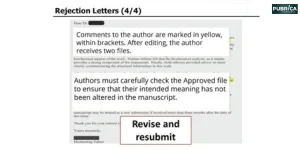
Publication Support Service
- Editing & Translation
-
Editing and Translation Services
- Sample Work

Editing and Translation Service
-
- Research Services
- Sample Work
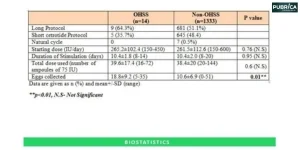
Research Services
- Physician Writing
- Sample Work
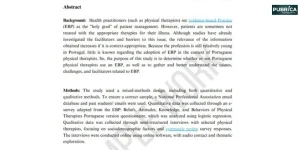
Physician Writing Service
- Statistical Analyses
- Sample Work
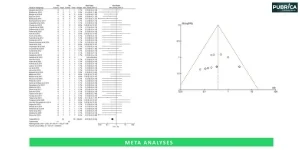
Statistical Analyses
- Data Collection
- AI and ML Services
- Sample Work
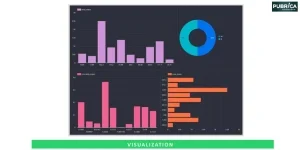
AI and ML Services
- Medical Writing
- Sample Work
Medical Writing
- Research Impact
- Sample Work
Research Impact
- Medical & Scientific Communication
- Sample Work
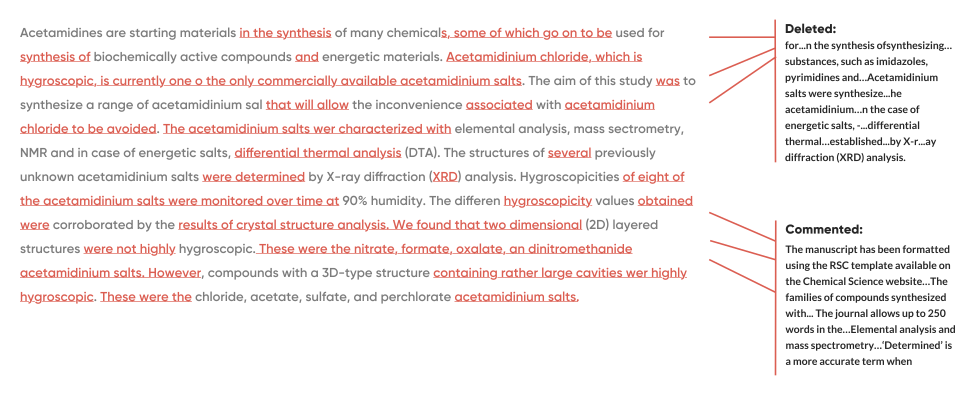
Medical & Scientific Communication
- Medico Legal Services
- Educational Content
- Academic Editorial Services
- Sample Work
Academic Editorial Services
- Educational Editorial Service
-
Education Editorial Services
- Sample Work
Education Editorial Services
-
- Industries
- Subjects
- About Us
- Academy
- Insights
- Contact Us
Understanding TIDieR-SR: A Guide to Reporting Interventions in Short Research Reports
- Home
- Academy
- Original Research Article
- Understanding TIDieR-SR: A Guide to Reporting Interventions in Short Research Reports
High-Impact Journals
Interesting topics
Understanding TIDieR-SR: A Guide to Reporting Interventions in Short Research Reports
TIDieR-SR (Template for Intervention Description and Replication for Systematic Reviews) is an essential, evidence-based guideline designed to improve the reporting, transparency, and reproducibility of interventions within systematic reviews. It is an extension of the original 12-item TIDieR checklist, specifically tailored to ensure that the descriptions of interventions from included primary studies are comprehensive, addressing a common weakness in evidence synthesis where intervention details are poorly reported. [1,2]
This guide explains what TIDieR-SR is, why it matters, how it works, and how researchers can apply it effectively in short research reports.
1. What Is TIDieR-SR?
TIDieR-SR refers to the application of the Template for Intervention Description and Replication (TIDieR) checklist to systematic reviews (SR) of interventions. The standard TIDieR checklist is made up of 12 separate items that give a very detailed description of each of the components of the intervention that are necessary to replicate the intervention. The TIDieR-SR checklist emphasises the most important elements of the intervention in order to help those who read the published report of the study to understand and replicate what was done as accurately as possible.
Additionally, TIDieR-SR supports the reporting of interventions in accordance with other reporting guidelines, including:
By emphasizing the core components of the intervention, TIDieR-SR will help to reduce uncertainty and promote transparency in intervention reporting in studies that are published using a short-format format. Many journals and publishers now recommend the use of the TIDieR-SR reporting framework to improve intervention transparency in systematic reviews.
2. Why TIDieR-SR Matters in Short Reports
The omission of implementation method details in Short Research Reports can make it difficult to replicate results. Poor reporting contributes to waste in research and weakens evidence synthesis. And here are a few of the many reasons for using TIDieR-SR:
- Reproducibility enhanced
- Easier peer-reviewing
- Easier conduct of systematic reviews and meta-analyses
- Reduction in research waste
- Aiding Implementation Science
For authors seeking structured intervention reporting support services, TIDieR-SR provides a standardised approach that ensures completeness without unnecessary length.
Insight Box:
Studies show that incomplete intervention descriptions are a leading barrier to replication in clinical and public health research. Even high-impact journals frequently publish insufficiently described interventions.
3. Core Components of TIDieR-SR
Although condensed, TIDieR-SR retains critical information domains. Authors should clearly describe:
| Component | Description |
| Brief Name | Provide the name or label of the intervention to ensure clear identification and referencing within the manuscript. |
| Rationale | Provide an overview of the theoretical, empirical, or clinical rationale for why this intervention is likely to achieve the desired outcome; it may also make reference to existing frameworks. |
| Materials | Describe all physical items (e.g., tools or devices), manuals (e.g., paper or electronic), digital platforms, educational materials, or other sources of information that were used; include all methods through which the item could be accessed (e.g., URL, appendix, supplementary file). |
| Procedures | Describe all processes, activities, and step-by-step procedures necessary to implement the intervention; allow another researcher the ability to completely replicate each action sequence. |
| Provider | Describe the identity of the provider(s) of the intervention or service (e.g., providing agency or organisation) and include their professional background (e.g., education), qualifications, training, and relevant expertise to deliver the intervention or service. |
| Mode of Delivery | Explain the mode of delivery used to deliver the intervention; specify whether the entire delivery of the intervention (e.g., face to face, online, telephone, group, hybrid) or only parts of the delivery occurred (e.g., face to face & online). |
| Dose and Schedule | Provide information regarding frequency (e.g., number of sessions), duration (e.g., length of each session), intensity/effectiveness (e.g., total exposure), and total duration of intervention (e.g., length of overall intervention). |
| Tailoring or Modifications | Describe any tailoring strategies, adaptations, or modifications made to the intervention during the course of this study (e.g., reasons for modification). |
| Fidelity Assessment | Describe how adherence to the intervention was assessed and evaluated (e.g., use of checklists, session video/audio recordings, usage statistics on devices, staff supervision logs), in line with suggested fidelity assessment frameworks. |
4. Applying TIDieR-SR in Practice
- Use concise but precise language.
- Place intervention details in the methods section.
- Use supplementary files when permitted.
- Cross-reference published protocols if available.
- Avoid vague statements such as “standard care was provided.[6]
TIDieR-SR reporting Example
Study: A brief randomized trial assessing a 4-week digital mindfulness intervention for medical students.
Brief Name: MindWell-4
Rationale: Based on mindfulness-based stress reduction theory.
Materials: Mobile app with guided audio sessions.
Procedures: Daily 10-minute guided meditation sessions.
Provider: Automated app; initial orientation by a trained psychologist.
Mode: Smartphone-based delivery.
Dose: 10 minutes/day for 28 days.
Tailoring: Personalized reminder notifications.
Fidelity: App usage analytics monitored adherence.
The application of TIDieR-SR for healthcare studies is particularly important where intervention complexity directly influences patient outcomes.
5. Common Challenges and Solutions
Challenge | Solution |
Word Count Restrictions | Use structured subheadings and bullet point to shorten the length of the document |
Multi-Component Interventions | Prioritize the components and provide access to detailed protocol |
Digital or Adaptive Interventions | Provide clear information on the algorithms, updates and platform versions. |
THE INSIGHT: In implementation research, insufficient reporting of intervention adaptations is a frequent limitation. TIDieR-SR encourages documenting changes to improve generalizability.
6. TIDieR-SR and Research Integrity
Research integrity and open science are fundamentally based on the concept of transparency in reporting. The reproducibility crises that have emerged when examining a range of research disciplines highlight the critical role of thoroughly reporting methodology.
Using TIDieR-SR
- Strengthens the methodological rigour of an intervention study
- Provides increased transparency regarding funding
- Facilitates improved knowledge translation
- Results in higher quality evidence synthesis.
Additionally, numerous journals now require adherence to structured reporting guidelines, thereby linking TIDieR-SR with the larger research governance frameworks. By applying TIDieR-SR for medical writers, teams can produce clearer, more transparent, and reproducible systematic review reports.
7. Best Practices for Authors
- Before modifying – read the original TIDieR checklist.
- Align trial registry with the reporting of your intervention.
- Maintain protocol and publication reporting consistency.
- Include as much fidelity data as possible.
Provide digital object identifier (DOI) or a web link to intervention materials.
Before submission, ask: Could another research team replicate this intervention solely from the information provided? If the answer is uncertain, revise accordingly.
Connect with us to explore how we can support you in maintaining academic integrity and enhancing the visibility of your research across the world!
Conclusion
The TIDieR-SR framework helps short research reports to be both brief and transparent. The focus on key elements of the intervention improves reproducibility, enhances evidence synthesis and decreases waste in research. The increasing focus of journals and funding agencies on reporting quality means that researchers must now use TIDieR-SR in their short-format manuscripts to conduct credible and impactful research.
Strengthen your systematic reviews and short research reports with Pubrica’s expert intervention reporting, scientific writing, and methodological support. Ensure transparency, reproducibility, and publication readiness with our specialised team. [Get Expert Publishing Support] or [Schedule a Free Consultation]
References
- Hoffmann, T. C., Glasziou, P. P., Boutron, I., Milne, R., Perera, R., Moher, D., Altman, D. G., Barbour, V., Macdonald, H., Johnston, M., Lamb, S. E., Dixon-Woods, M., McCulloch, P., Wyatt, J. C., Chan, A.-W., & Michie, S. (2014). Better reporting of interventions: template for intervention description and replication (TIDieR) checklist and guide. BMJ (Clinical Research Ed.), 348, g1687. https://doi.org/10.1136/bmj.g1687
- Hoffmann, T., English, T., & Glasziou, P. (2014). Reporting of interventions in randomised trials: an audit of journal instructions to authors. Trials, 15, 20. https://doi.org/10.1186/1745-6215-15-20
- Schulz, K. F., Altman, D. G., Moher, D., & CONSORT Group. (2010). CONSORT 2010 statement: updated guidelines for reporting parallel group randomised trials. BMJ (Clinical Research Ed.), 340(mar23 1), c332. https://doi.org/10.1136/bmj.c332
- von Elm, E., Altman, D. G., Egger, M., Pocock, S. J., Gøtzsche, P. C., Vandenbroucke, J. P., & STROBE Initiative. (2007). The Strengthening the Reporting of Observational Studies in Epidemiology (STROBE) statement: guidelines for reporting observational studies. PLoS Medicine, 4(10), e296. https://doi.org/10.1371/journal.pmed
- Moher, D., Liberati, A., Tetzlaff, J., Altman, D. G., & PRISMA Group (2009). Preferred reporting items for systematic reviews and meta-analyses: the PRISMA statement. PLoS medicine, 6(7), e1000097. https://doi.org/10.1371/journal.pmed
- Glasziou, P., Meats, E., Heneghan, C., & Shepperd, S. (2008). What is missing from descriptions of treatment in trials and reviews?. BMJ (Clinical research ed.), 336(7659), 1472–1474. https://doi.org/10.1136/bmj.39590.7320