
- Services
- Discovery & Intelligence Services
- Publication Support Services
- Sample Work
Publication Support Service
- Editing & Translation
-
Editing and Translation Services
- Sample Work
Editing and Translation Service
-
- Research Services
- Sample Work
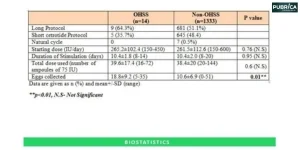
Research Services
- Physician Writing
- Sample Work

Physician Writing Service
- Statistical Analyses
- Sample Work
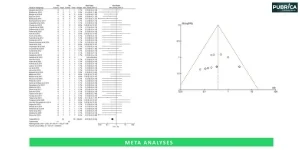
Statistical Analyses
- Data Collection
- AI and ML Services
- Sample Work
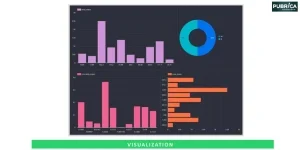
AI and ML Services
- Medical Writing
- Sample Work
Medical Writing
- Research Impact
- Sample Work
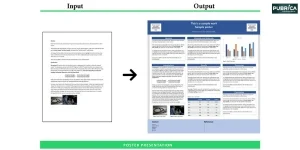
Research Impact
- Medical & Scientific Communication
- Sample Work
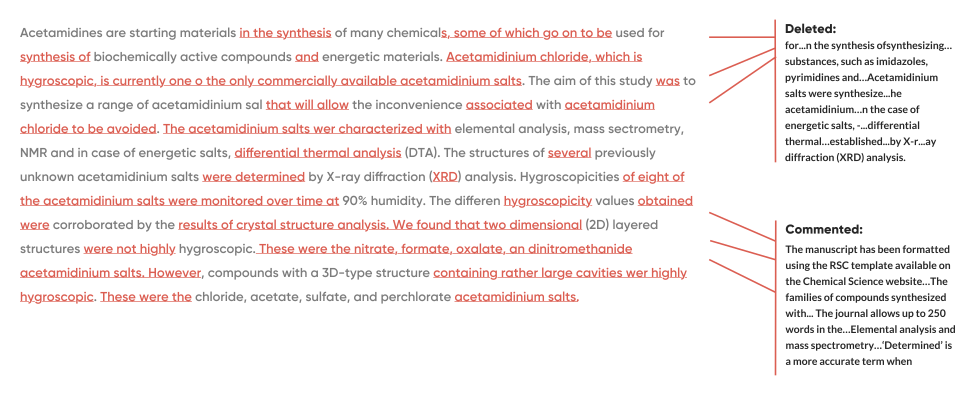
Medical & Scientific Communication
- Medico Legal Services
- Educational Content
- Academic Editorial Services
- Sample Work
Academic Editorial Services
- Educational Editorial Service
-
Education Editorial Services
- Sample Work
Education Editorial Services
-
- Industries
- Subjects
- About Us
- Academy
- Insights
- Contact Us
What is the difference between Scopus-indexed and non-indexed journals?
- Home
- Academy
- Poster Presentation
- What is the difference between Scopus-indexed and non-indexed journals?
Research Impact
Interesting topics
What is the difference between Scopus-indexed and non-indexed journals?
An important decision for a researcher is which journal to publish their research in because this choice can impact the credibility and visibility of the study, and subsequently, the academic impact of the study. Most journals today are classified as either Scopus-indexed journals or non-indexed journals, and this classification affects how research is assessed by academic institutions, research funding bodies, and the worldwide academic community within academic publishing standards.[1]
Scopus-indexed journals are established as having high-quality support through their rigorous peer review process, high editorial quality, high publication ethics, and high citation rates; thus, they provide greater international visibility and academic recognition. On the other hand, non-indexed journals often differ greatly in terms of quality, peer review processes, and scholarly impact, since they do not appear in the major citation databases used for academic journal indexing.[2]
It is therefore critical for researchers to know the difference between Scopus-indexed and non-indexed journals to make informed publishing decisions, avoid publishing in predatory or low-quality journals and ensure they align with professional and institutional standards related to journal indexing criteria and academic recognition.[3]
1. What Is a Scopus-Indexed Journal?
Scholarly publications that have passed through an extensive evaluation process and are accepted for inclusion into Scopus, an internationally trusted abstract and citation database managed by Elsevier, are referred to as Scopus-indexed journals. Scopus indexes several different types of high-quality peer-reviewed journals, including open-access journals across various subjects. [4]
To achieve indexing in Scopus, journals must demonstrate compliance with strict journal indexing criteria, including:
- Quality of the editorial board and editorial direction
- Strongly established peer-review process
- Ethically based publishing process
- Citation and academic relevance
- Consistency of publication volume and frequency

Publishing in Scopus-indexed journals enhances journal visibility and citations, increases global recognition, and supports career advancement through improved academic credibility. It also strengthens a researcher’s academic profile, increases funding and collaboration opportunities, and supports long-term academic success through a strong journal impact factor and indexing.

2. What Is a Non-Indexed Journal?
A scholarly publication that does not have an index in major databases like Scopus, Web of Science, or PubMed is referred to as a non-indexed journal. Although research can be published in these journals, it may not meet strict academic publishing standards or journal indexing criteria required for major indexing databases.[2]
Research that has been published in a non-indexed journal will typically show:
- Decreased visibility globally
- Decreased global journal visibility and citations
- Lower recognition in academia
This does not mean that all non-indexed journals are of inferior quality. Some may be newly established or serve niche audiences and may eventually meet academic journal indexing requirements. However, non-indexed journals generally provide less credibility and long-term impact compared to Scopus-indexed journals.
3. Key Differences Between Scopus-Indexed and Non-Indexed Journals
| Feature | Scopus-Indexed Journals | Non-Indexed Journals |
|---|---|---|
| Peer-review process | Strict, structured, expert-based | Often inconsistent or limited |
| Visibility | Global exposure via databases | Limited or local reach |
| Citation tracking | Fully supported | Usually, unavailable |
| Academic recognition | Accepted worldwide | Often not recognised |
| Editorial standards | High ethical and quality standards | May vary significantly |
4. Review Process
The peer review process used by Scopus-indexed journals is rigorous and structured. Papers are evaluated by subject experts to ensure originality, accuracy, and relevance. Non-indexed journals may lack a standardised peer review system, leading to variability in quality.[5]
| Visibility and Citations | Publishing in indexed journals significantly improves journal visibility and citations. Non-indexed journals typically receive fewer readers and citations due to limited database accessibility. |
| Academic Recognition | Publications in Scopus-indexed journals are widely recognised for PhD completion, promotions, and grant funding. Many institutions prioritise indexed publications when evaluating academic performance. |
| Editorial Standards | Scopus-indexed journals follow strict academic publishing standards and ethical guidelines. Non-indexed journals may not always maintain safeguards against questionable publishing practices. |
5. How to Check if a Journal Is Scopus-Indexed
If you would like to confirm that a journal is indexed in Scopus, here are several ways:[6]
- Use official databases (Scopus Sources List, Scimago Journal Rank [SJR])
- Check the journal’s website – look under “Indexing,” “About the journal,” etc. However, always verify claims from the journal with an independent source (i.e., not from the journal itself).
- Be cautious when using Google Scholar – it will provide data about how many times a particular journal article has been cited but will not confirm that the specific journal is indexed with SCOPUS.
- Contact the publisher of the journal and ask them for an official confirmation of whether the journal is SCOPUS-indexed, if the SCOPUS index status is unclear to you.
Always verify indexing claims through official databases to ensure authenticity when preparing to publish in Scopus-indexed journals.
6. Which Should You Choose?
Most researchers prefer to publish in Scopus-indexed journals due to advantages such as:
- higher levels of academic credibility
- wider readership and citation opportunities on a global scale
- recognition from universities and funding agencies
- fulfilling the requirements for publication to obtain a PhD or as a faculty member
Professional Scopus-indexed journal publishing services and journal submission support for Scopus can also help researchers meet journal requirements and improve acceptance chances for research paper publication. [7]
7. When to Use Non-Indexed Journals
Non-indexed journals can also be good options for publishing if there is:
- A very specific or localised audience is being targeted
- A need for fast publication of work
- A need to share information that was gathered during the preliminary or exploratory stages of research
- No indexing from your institution is required
However, non-indexed publications do not typically have high academic value in the long run. [8]
Connect with us to explore how we can support you in maintaining academic integrity and enhancing the visibility of your research across the world!
Conclusion
Understanding the difference between Scopus-indexed and non-indexed journals is essential for making informed publishing decisions. Publishing in Scopus-indexed journals provides international recognition, strong peer review, and enhanced academic reputation.
While non-indexed journals may offer faster publication, they typically lack the credibility, visibility, and impact needed for long-term academic growth. For researchers aiming to strengthen their academic careers and increase research visibility, choosing indexed journals and seeking journal submission support for Scopus or research paper publication guidance is the most sustainable and beneficial option.
Frequency asked Questions
1. What is a Scopus-indexed journal?
Scopus-indexed journals are academic, peer-reviewed publications included in the Elsevier database, covering diverse disciplines like science, technology, medicine, and social sciences. These journals meet high-quality, strict editorial standards, making them reputable sources for research, academic advancement, and increased citation visibility.
2. What is the difference between Scopus-indexed and non-indexed journals?
Scopus-indexed journals undergo strict, high-quality peer review, offering high international recognition, better visibility, and higher citation potential compared to non-indexed journals, which lack standardised quality control and rigorous assessment.
3. How do I know if a journal is Scopus-indexed?
To check if a journal is Scopus-indexed, search for its title, publisher, or ISSN on the official Scopus Sources page. If it appears in the results and lists “Scopus coverage years” as active, it is currently indexed. Alternatively, use the SCImago Journal Rank (SJR) website, which uses Scopus data, to verify, though the official Scopus list is the most accurate.
4. Why is publishing in Scopus indexed journals important?
Publishing in Scopus-indexed journals is vital for establishing high credibility, maximizing global visibility, and fostering career advancement for researchers. As a premier, curated database from Elsevier, it ensures research meets rigorous quality standards, resulting in higher citation potential and increased recognition by academic institutions and funding bodies.
5. What are the criteria for Scopus journal indexing?
Scopus journal indexing requires meeting strict quality standards evaluated by the Content Selection and Advisory Board (CSAB). Key criteria include consistent, peer-reviewed, English-language content (titles/abstracts), a valid ISSN, regular publication, and an online ethics statement. Evaluation covers 5 main areas: journal policy, content quality, citation impact, regularity, and online availability.
References
- Vasudevan, B., Chatterjee, M., Sharma, V., & Sahdev, R. (2025). Indexing of Journals and Indices of Publications. The Indian journal of radiology & imaging, 35(Suppl 1), S148–S154. https://doi.org/10.1055/s-0044-1800878
- Balhara Y. P. (2012). Indexed journal: What does it mean?. Lung India : official organ of Indian Chest Society, 29(2), 193. https://doi.org/10.4103/0970-2113.95345
- Murlimanju, B. V., Prabhu, L. V., Prameela, M. D., Pai, M. M., & Saralaya, V. V. (2016). What is indexing?. Indian journal of orthopaedics, 50(5), 577–578. https://doi.org/10.4103/0019-5413.189598
- (n.d.). What is a Scopus Journal? A complete guide for researchers and academics. Ijnrd.org. Retrieved February 11, 2026, from https://ijnrd.org/blog-Scopus.php
- First level: Peer review. (n.d.). Nih.gov. Retrieved February 11, 2026, from https://grants.nih.gov/grants-process/review/first-level
- Mondal, H., & Mondal, S. (2020). Check indexing status of a journal. Journal of family medicine and primary care, 9(6), 3166–3167. https://doi.org/10.4103/jfmpc
- Gasparyan, A. Y., & Kitas, G. D. (2021). Editorial Strategy to Get a Scholarly Journal Indexed by Scopus. Mediterranean journal of rheumatology, 32(1), 1–2. https://doi.org/10.31138/mjr.32.1.1
- Ochner, C. N., & Mineo, J. (2020). A Brief Tutorial on Manuscript Preparation: From Journal Selection to Manuscript Review. HCA healthcare journal of medicine, 1(1), 3–10. https://doi.org/10.36518/2689-0216.1023