
- Services
- Discovery & Intelligence Services
- Publication Support Services
- Sample Work
Publication Support Service
- Editing & Translation
-
Editing and Translation Services
- Sample Work
Editing and Translation Service
-
- Research Services
- Sample Work
Research Services
- Physician Writing
- Sample Work
Physician Writing Service
- Statistical Analyses
- Sample Work
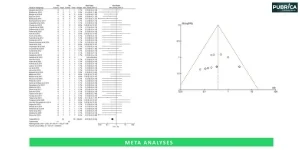
Statistical Analyses
- Data Collection
- AI and ML Services
- Sample Work
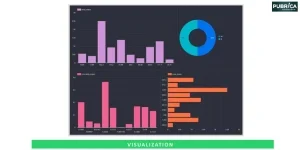
AI and ML Services
- Medical Writing
- Sample Work
Medical Writing
- Research Impact
- Sample Work
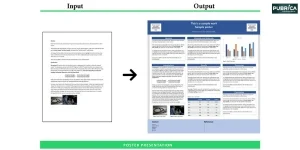
Research Impact
- Medical & Scientific Communication
- Sample Work
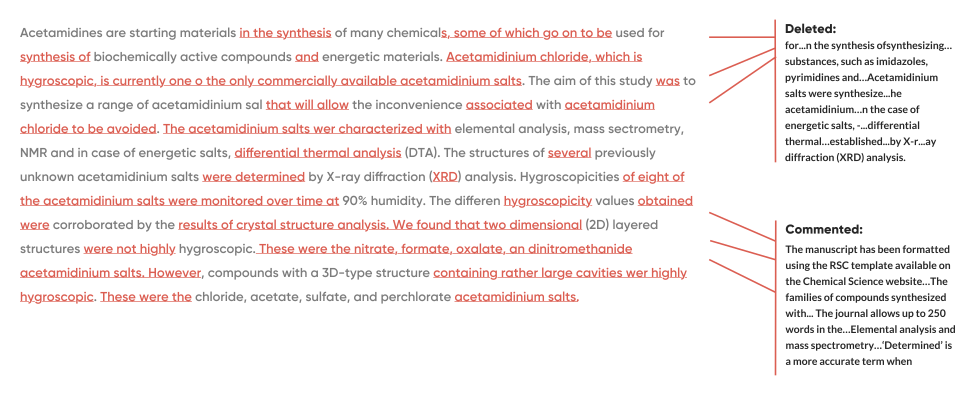
Medical & Scientific Communication
- Medico Legal Services
- Educational Content
- Academic Editorial Services
- Sample Work
Academic Editorial Services
- Educational Editorial Service
-
Education Editorial Services
- Sample Work
Education Editorial Services
-
- Industries
- Subjects
- About Us
- Academy
- Insights
- Contact Us
Digital Strategies to Find the Right Journal for Publishing Your Research Study
High-Impact Journals
- Why Choosing the Right Journal Matters
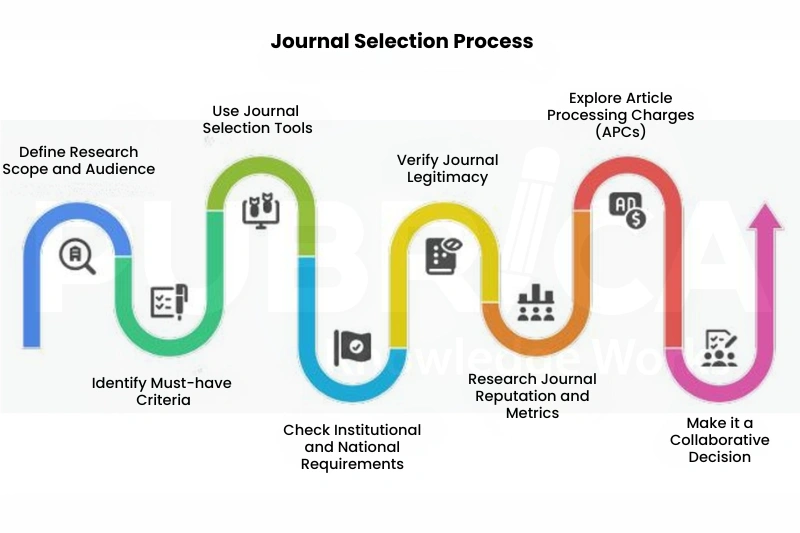
- Digital Strategies for Finding the Right Journal
- Analyse Reference Lists
- Evaluate Journal Scope and Aims
- Check Journal Indexing Status
- Use AI-Based Journal Recommendation Platforms
- Assess Open Access Options
- Identify Predatory Journals
- Study Previously Published Articles
- Best Practices for Digital Journal Selection
- Conclusion
Interesting topics
Digital Strategies to Find the Right Journal for Publishing Your Research Study
Selecting a journal to publish your research can have a major impact on your likelihood of acceptance; it will increase the visibility of your work and help it reach a readership that is appropriate for your study. Unfortunately, choosing from the many available options is not always an easy task. This process is commonly referred to as how to select a journal for publication and is a key step in academic publishing strategy.[1]
However, the introduction of online platforms and digital tools for facilitating the journal selection process has made it less challenging and more strategic. Researchers have access to journal finders, citation databases and AI-assisted matching tools that help them select the best outlet for their studies. These innovations are widely used in modern digital tools to identify suitable journals.
1. Why Choosing the Right Journal Matters
There are many advantages for you to consider when submitting your work to an appropriate journal. These include:[2]
- A higher acceptance rate.
- Access to a larger audience for your work based on their interest.
- Potentially greater citation of your work.
- Stronger academic standing.
- Enhanced opportunities for career progression, as well as obtaining grants and funding.
- Adherence to institutional and funding requirements.
Moreover, submitting a manuscript to a journal with a different scope of content can lead to immediate rejection and thus can delay the publication process. This highlights the importance of understanding find the right journal for research as a strategic academic skill.
2. Digital Strategies for Finding the Right Journal
Use Journal Finder Tools: Many publishers provide journal recommendation tools that analyse your manuscript title, abstract, or keywords and suggest suitable journals. These platforms often include AI journal selection tool capabilities that improve accuracy in matching research topics.
Journal Finder Tool | Publisher | Key Feature |
Journal Finder | Elsevier | Matches the abstract with relevant journals |
Journal Suggester | Springer Nature | Scope-based recommendations |
Wiley Journal Finder | Wiley | AI-powered journal suggestions |
Journal Matcher | Clarivate | Uses the Web of Science database |
Benefits
- Saves time during journal selection.
- Provides journals aligned with research topics.
- Suggests impact metrics and indexing information.
These systems are especially useful for impact factor journal selection, helping researchers target high-quality journals.
3. Analyse Reference Lists
Reviewing the journals referenced in your submitted manuscript is one of the easiest ways to find potential new submission options. This approach complements best strategies to identify the right journal for publication success.[3]
Questions to Consider
- Are there lots of comparable studies published in these journals?
- Are these journals included in major indexing/research databases?
- Are they using a similar study methodology to your work?
When many references come from a journal, you could consider the journal to be a good option to submit your work based on potential evaluation alone.
4. Evaluate Journal Scope and Aims
Every journal provides a written document defining what they are about, their purpose, and who its intended audience will be.
As a researcher, you must evaluate:
- Subject area.
- Type of article.
- Focus on other disciplines.
- Target audience.
- Publishing priorities.
Example: A clinical healthcare study may not belong to a basic science journal, even if the two articles are on the same subject matter.
5. Check Journal Indexing Status
Indexing indicates the credibility and discoverability of a journal.[4]
Indexing Database | Importance |
Scopus | Broad international visibility |
Web of Science | Citation tracking and ranking |
PubMed and medical research | |
DOAJ | Quality open-access journals |
Publishing in indexed journals improves accessibility and recognition.
6. Use AI-Based Journal Recommendation Platforms
AI tools can be used to scan manuscript content to recommend potential journals for submission.[5]
- Semantic Content Matching
- Topic Analysis
- Similar Article Comparison
- Acceptance Probability Estimation.
All contribute to improved accuracy and less time spent searching manually for a journal. These innovations are part of modern digital tools to identify suitable journals used by researchers globally.
7. Assess Open Access Options
An Open Access model helps to improve Readership and Visibility of articles
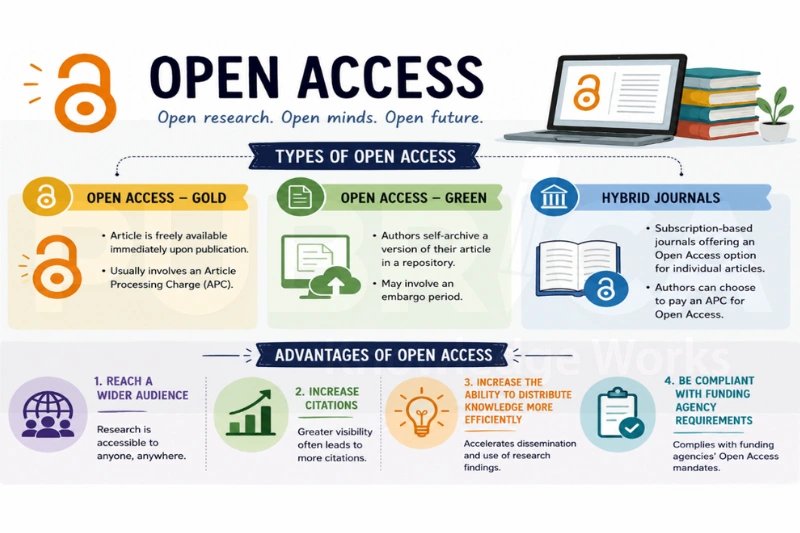
Researchers are encouraged to compare the fees of a publisher prior to submission of their manuscripts.
8. Identify Predatory Journals
By reviewing articles that have been published very recently in journals, you can get an understanding of which journal to submit your research to. This is considered one of the most effective best strategies to identify the right journal.[6]
- Unrealistic turnaround time for acceptance
- No documentation available regarding the peer review process
- No real editorial board
- Websites of very low quality
- Unclear publication fees
To validate a journal:
- Check that it is indexed in a reputable database
- Determine if the journal uses a transparent peer-review process
- Verify the publication policy;
- Determine if the publisher is recognised
- Confirm that the journal has been assigned an ISSN number.
9. Study Previously Published Articles
By reviewing articles that have been published very recently in journals, you can get an understanding of which journal to submit your research to. You may want to look for:
- Articles on similar subjects
- Articles with similar methodology
- Articles intended for similar audiences
- Articles that have the same format/style as you would like to use
Doing this will help you better understand the journal’s editorial expectations prior to submitting to the journal.
10. Best Practices for Digital Journal Selection
To maximise publication success, you should do the following:
- Create a shortlist of 5-10 journals that you could submit to.
- Compare metrics and indexing of journals.
- Ensure you read each author’s guidelines carefully.
- Review the associated costs of publishing in your selected journals.
- Where available, check acceptance rates for each journal.
- Utilise various journal suggestion tools.
- Request feedback from mentors and collaborators.
Connect with us to explore how we can support you in maintaining academic integrity and enhancing the visibility of your research across the world!
Conclusion
Choosing the appropriate journal is a strategic endeavour that has an outsized impact on the success of research publications as well as their impact. Researchers have access to many resources when making their journal choices; digital resources, citation databases, AI-based recommendation engines, indexing services and journal analytics are all examples of tools that provide value to researchers, assist with developing informative decisions when selecting their journal. In addition to using these digital strategies, when researchers carefully evaluate the scope of the publishing journal, quality indicators within that journal, the timeline for publication of the research article, if the journal practices ethical publishing standards, they increase their chances of publication acceptance and enhance their scholarly visibility.
Digital Strategies to Find the Right Journal for Publishing Your Research Study. Our Pubrica consultants are here to guide you. [Get Expert Publishing Support] or [Schedule a Free Consultation]
References
- Ramia J. M. (2023). How to select a journal for your research. World journal of gastroenterology, 29(21), 3379–3384. https://doi.org/10.3748/wjg.v29.i21.3379
- Bhatia S. J. (2017). How to Choose the Right Journal. Reporting and Publishing Research in the Biomedical Sciences, 143–153. https://doi.org/10.1007/978-981-10-7062-4_16
- Horsley, T., Dingwall, O., & Sampson, M. (2011). Checking reference lists to find additional studies for systematic reviews. The Cochrane database of systematic reviews, 2011(8), MR000026. https://doi.org/10.1002/14651858.MR000026.pub2
- Mondal, H., & Mondal, S. (2020). Check indexing status of a journal. Journal of family medicine and primary care, 9(6), 3166–3167. https://doi.org/10.4103/jfmpc.jfmpc_423_20
- Elechi, U., Orobator, E. T., Udoh, K., Ngozi, E. O., Uzoma, C. A. E., Forson, K. A. A. M., Akanbi, O. O., & Tarawallie, M. A. (2025). Artificial Intelligence in Healthcare: A Narrative Review of Recent Clinical Applications, Implementation Strategies, and Challenges. Journal of healthcare leadership, 17, 863–876. https://doi.org/10.2147/JHL.S553748
- Laine, C., & Winker, M. A. (2017). Identifying predatory or pseudo-journals. Biochemia medica, 27(2), 285–291. https://doi.org/10.11613/BM.2017.031