Pubrica

Ceramic Engineering

Ceramic Engineering delivers innovative engineering solutions with a focus on quality, precision, and reliability. We turn complex challenges into efficient, real-world results.

Transforming molecules into real-world solutions through innovation, precision, and advanced Ceramic Engineering

The Discipline of Ceramic Engineering is a rapidly developing and dynamic field that involves the Application of the science of materials (Materials Science), Chemistry, Physics and Engineering, to develop High-Performance Ceramic Materials for Use in Real-World Products. Ceramic Engineering is Essential for Modern Manufacturing Industries including Aerospace, Energy, Electronics, Health Care, and Manufacturing. The demand for High-Performance, Durable, Sustainable and Heat-Resistant Materials is Driving Development in this Area.

Ceramic Engineering is focused on the design, Processing, Characterization and Application of both Traditional and Advanced-Sophisticated Ceramics, Glass Ceramics, and Composite Material Systems. Ceramic Engineers use Advanced Synthesis, Sintering, Computational Modelling, and Microstructural Analysis to solve Complex Engineering Problems. With the use of Computational Ceramic Engineering Services, researchers can Obtain a Greater understanding of the Behaviour of Materials and use Advanced Simulations and Predictive Tools to optimize the Design, improve the Performance, and Accelerate Innovation.

At Pubrica, we provide targeted Ceramic Engineering Solutions, targeted Research Support for those involved in Research in this area, and overall Academic Solutions specifically for Researchers, Scholars, and Industry Professionals conducting research or working within the domain of Ceramic Engineering. By doing so, we are striving to support increases in the overall Quality, Technical Accuracy, and Global Reach of Research Outputs produced within the field of Ceramic Engineering.

Ceramic Engineering

Our Core Areas of Ceramic Engineering

Ceramic Engineering encompasses several interconnected areas, each contributing to the development, optimization, and application of advanced ceramic materials. These core disciplines include:

Materials Design & Development

The design of materials focuses on developing ceramics that have customized attributes to facilitate their use in specific applications. High-temperature ceramics, bio ceramics, electronic materials, etc. represent innovative materials created from the materials design process and will lead to advancements in the following industries: aerospace, healthcare, energy and manufacturing.

Notes Icon

Processing & Fabrication Engineering

Processing & Fabrication Engineering provides advanced techniques for manufacturing and forming ceramics including techniques used in powder processing sintering additive manufacturing and coatings to improve their mechanical, thermal, and chemical properties.

Notes Icon

Microstructural analysis
and characterization

Consider the effect of ceramic microstructures on the properties of ceramics. It uses structural characterization (electron microscopy), composition characterization (X-ray diffraction), and physical characterization (spectroscopy, thermal analysis) to create strong, durable, and high-performance ceramics.

User Tie Icon

Mechanical & Thermal Properties

Engineering Ceramics engineers examine and improve hardness, toughness, thermal resistance and wear behaviour. There are also studies that show how to engineer high performance and heat-resistant and long-lasting materials through research.

Book Icon

Electrical & Functional Ceramics

Electrical or functional ceramic materials are created or designed to supply electronic, magnetic or physical properties. They can be engineered for various uses including capacitors, superconductors, sensors, energy storage mediums and many others.

Graduate Icon

Computational Ceramic Engineering

Molecular Simulations, and Predictive Analytics) to create and refine product concepts in ceramics has increased the speed at which products can reach maturity (and are thus usable by the public) through the reduction of time spent testing prototypes.


Book Open Reader Icon

Our Expertise in Ceramic Engineering Research and Publication

Our team includes PhD-qualified specialists with considerable experience in ceramics and materials science, ceramics manufacturing techniques, computational modelling, and advanced manufacturing processes to assist the academic research community, graduate students, and materials scientists in the ceramic engineering, ceramics, and advanced manufacturing fields:

Expert guidance on project planning, execution, and data analysis.
Enhance clarity, grammar, and style for polished, professional manuscripts.
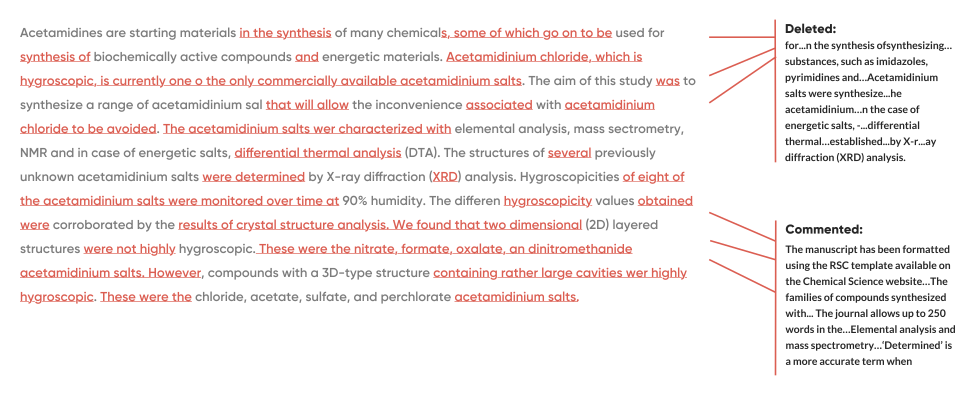
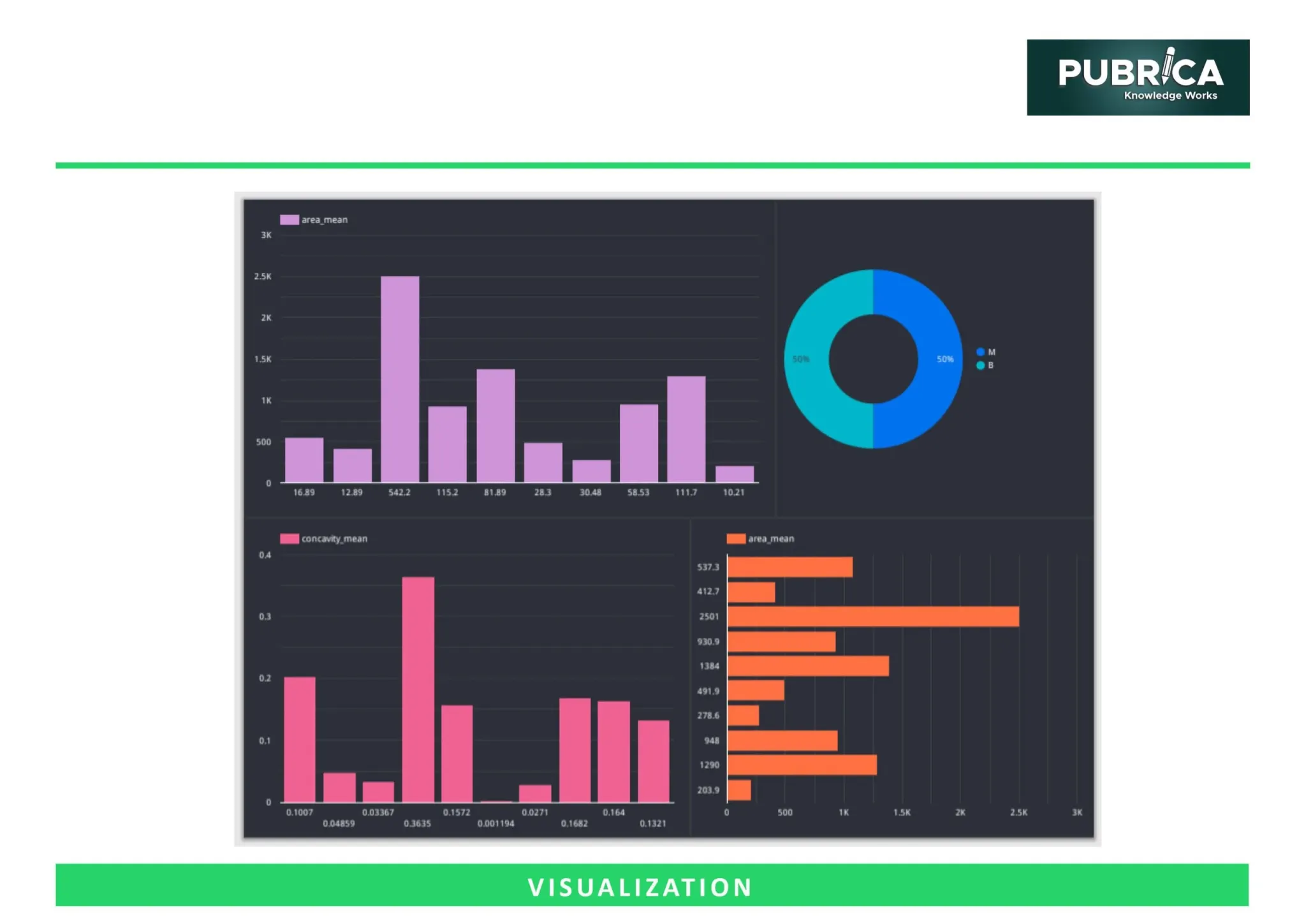
Professional visuals for your figures, tables, and graphical abstracts.
Tailored manuscript formatting to meet specific journal guidelines.
Crafting clear, precise, and publication-ready research manuscripts.
Engaging summaries of your research in a single, informative graphic.
Identifying research gaps and providing comprehensive literature reviews.
Providing complete assistance from initial research planning to final manuscript submission ensuring high-quality deliverables throughout the publication process.

Emerging Trends in Ceramic Engineering

The field of Ceramic Engineering is ever evolving, as new materials develop at an increasingly rapid pace due to advances in materials science and manufacturing technologies, as well as improvements in computational tools.

Additive Manufacturing 3D Printing

Custom-made ceramic components with intricate shapes and minimal material waste.

Nanostructured Functional Ceramics

The ability to improve mechanical, thermal and electrical performance of ceramics by creating a material that has been altered at the nanometre scale.

High Temperature Heat Resistant Materials

New and Improved Ceramics with Innovative Employment in Aerospace, Energy and Industrial Markets.

Bio-Ceramics Biomedical Applications

New Opportunities for Developing Implants, Prosthetics and Tissue Engineering Materials.

Computational Predictive Simulation Models

The Use of Simulations to Analyze and Optimize Ceramic Microstructure, Performance and Processes.

Eco-Friendly and Sustainable Manufacturing Processes

Development of Processors and Machines That Are Designed to Minimize Energy Usage and Recyclability of Ceramic Materials.

Smart Multifunctional Ceramics

Developing New Applications for Ceramics That Include Developing Sensor Devices, Actuator Devices and Self-Healing Ceramic Materials.

These trends are shaping the future of ceramic engineering, enabling high-performance, durable, and innovative solutions across industries.

Applications of Ceramic Engineering

Ceramic Engineering serves diverse industries because of the special characteristics of ceramic materials (example: high temperature resistance, strength, and insulation). The major applications of ceramic materials include:

Agriculture Icon

Aerospace and Défense: heat resistant components, thermal barrier materials, and lightweight structural components.

Veterinary Icon

Energy and Power: fuel cells, batteries, solar panels, and nuclear reactors.

Wildlife Icon

Electrical and Electronics: capacitors, insulators, semiconductors, and sensors.

Pharma Icon

Health and Biomedical: implants, prosthetics, dental ceramics, and bioactive ceramics.

Education Icon

Automobile and Transportation: engine parts, wear-resistant coatings for brakes.

Education Icon

Industrial Manufacturing: cutting tools, select refractory materials, and various chemical processing equipment.

Education Icon

Environmental and Sustainable Applications: ceramic filters, environmental catalysts, and environmental ceramic materials.

Ceramic Engineering supports innovation and durability in a variety of high-performance applications across a wide range of industries.

Applications of Ceramic Engineering

Where Our Authors Publish

Our authors share Pubrica’s expert content in top-tier journals, conferences, and platforms, maximizing and amplifying its recognition and reach. Our placement will enhance our visibility and elevate our standing in an authoritative capacity.

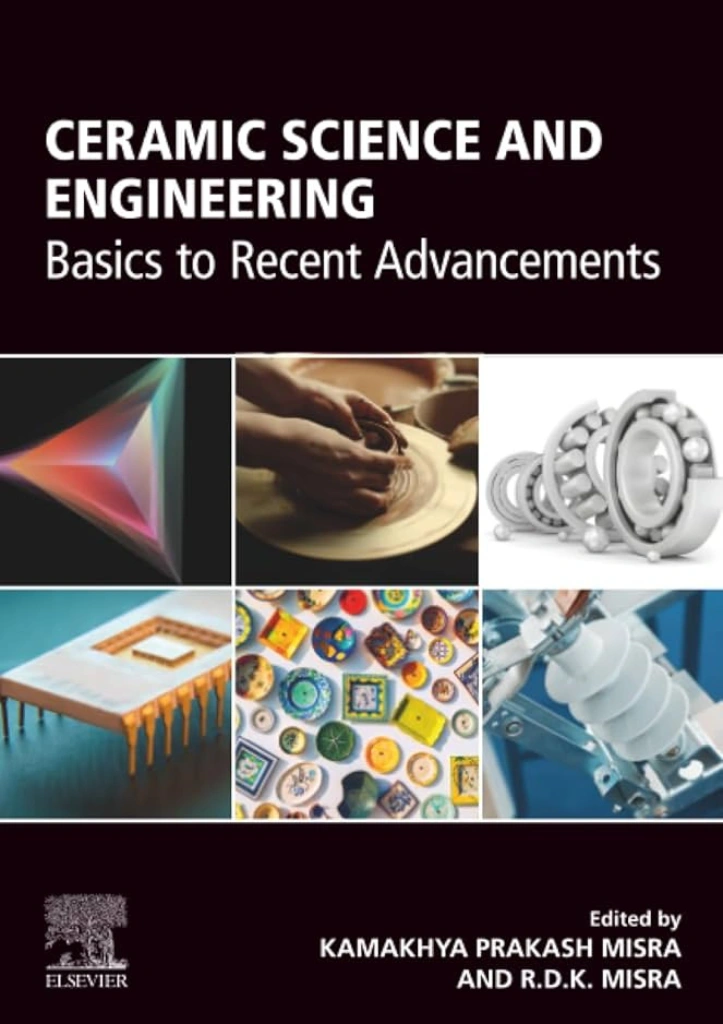
Paper Title: 4 – Bio ceramics: materials, properties, and applications

Author: Wei Cui, Lei Cao, Xing Zhang 

Journal Name: Ceramic Science and Engineering

Publisher: Elsevier

Impact factor: 1.2

Our Expert Ceramic Engineering Editors

Pubrica’s team of subject matter experts brings unparalleled expertise and diverse perspectives to deliver comprehensive solutions with precision and innovation. With a blend of experience and specialization, they ensure excellence in every project they undertake.

Dr. Ravi Kumar
UK
Dr. Rajesh Kumar
PhD in Ceramic Engineering

Dr. Isaac Newton Rajkumar
USA
Dr. Priya Desai
PhD in Materials & Ceramic Engineering

Dr. Krishna
USA
Dr. Michael Thompson
PhD in Advanced Ceramics & Engineering

What Our Client Says About Us

Testimonials

Learn how Pubrica’s meta-analysis service has empowered researchers to generate high-impact, publication-ready analyses that advance evidence-based research and elevate their academic and clinical visibility. Here is what our clients say:

Testimonial Slider

Insights

Organize journal matching by different decision-making filters:

How to Structure Case Reports and Review Articles for Medical Journals

Medical journals expect a structure for case reports and review articles, with clear objectives....

Article

How Should Physicians Choose the Right Journal for Submitting a Case...

Publishing a case report involves more than clinical knowledge; it also demands strategic journal ....

Article

How Physicians Can Write Clear and Impactful Patient Education Materials

Effective patient education materials (PEMs) are crucial for promoting health literacy, enhancing....