
- Services
- Discovery & Intelligence Services
- Publication Support Services
- Sample Work
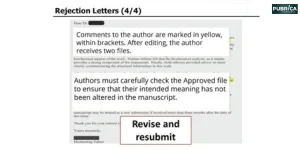
Publication Support Service
- Editing & Translation
-
Editing and Translation Services
- Sample Work
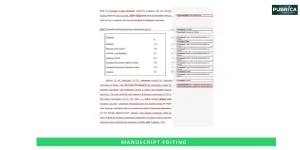
Editing and Translation Service
-
- Research Services
- Sample Work
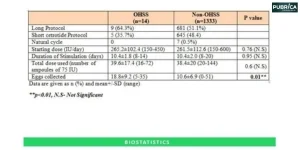
Research Services
- Physician Writing
- Sample Work
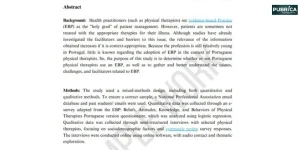
Physician Writing Service
- Statistical Analyses
- Sample Work
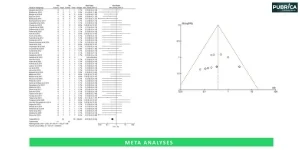
Statistical Analyses
- Data Collection
- AI and ML Services
- Sample Work
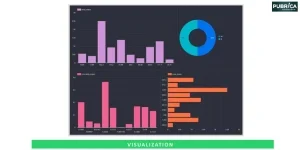
AI and ML Services
- Medical Writing
- Sample Work
Medical Writing
- Research Impact
- Sample Work
Research Impact
- Medical & Scientific Communication
- Sample Work
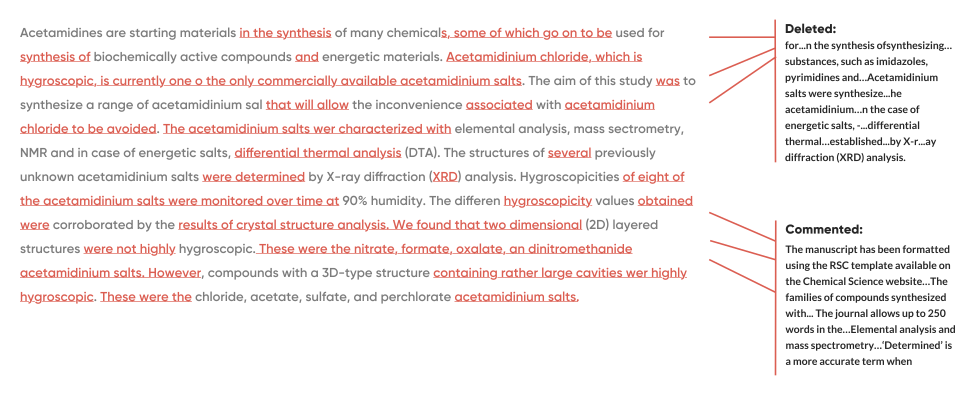
Medical & Scientific Communication
- Medico Legal Services
- Educational Content
- Academic Editorial Services
- Sample Work
Academic Editorial Services
- Educational Editorial Service
-
Education Editorial Services
- Sample Work
Education Editorial Services
-
- Industries
- Subjects
- About Us
- Academy
- Insights
- Contact Us
Understanding Predatory Journals
High-Impact Journals
- Introduction: What Are Predatory Journals?
- The Origin of Predatory Journals
- Characteristics of Predatory Journals
- Table 1: Key Differences Between Legitimate and Predatory Journals
- The Consequences of Predatory Journals
- Remedies for Predatory Journals
- Table 2: Tools for Identifying Predatory Journals
- Conclusion: Combating Predatory Journals
Interesting topics
Understanding Predatory Journals: Definition, Consequences, and Remedies
Table of Contents
1. Introduction: What Are Predatory Journals?
2. The Origin of Predatory Journals
3. Characteristics of Predatory Journals
4. Table 1: Key Differences Between Legitimate and Predatory Journals
5. The Consequences of Predatory Journals
6. Remedies for Predatory Journals
7. Table 2: Tools for Identifying Predatory Journals
8. Conclusion: Combating Predatory Journals
Understanding Predatory Journals: Definition, Consequences, and Remedies


Dr.Nancy | Research design and Mixed Methods Research.
29 Jan, 2025
Introduction: What Are Predatory Journals?
Predatory journals exploit the open-access publishing model to extract payments from researchers while failing to meet basic standards of peer review, ethical oversight, and transparency [1]. These journals prioritize profit over scholarly integrity, publishing low-quality and often fraudulent research that damages the credibility of legitimate academic work.
The Origin of Predatory Journals
- Definition by Jeffrey Beall (2010): Beall defined predatory publishers as those who “publish counterfeit journals to exploit the open-access model in which the author pays. [2]”
- Open-Access Model and Its Consequences: While the open-access model addresses rising subscription costs, it inadvertently created opportunities for unethical publishers to profit from researchers [3].
Characteristics of Predatory Journals
1. Deceptive Practices
- False or misleading information about the journal’s editorial board, affiliations, or peer review process [4].
- Absence of quality checks or ethical oversight [5].
2. Aggressive Solicitation
- Frequent spam emails targeting researchers to submit their manuscripts [6].
3. Lack of Peer Review
- Minimal or absent peer review leads to rapid but low-quality publication.
4. High Acceptance Rates
- Acceptance of most, if not all, submitted manuscripts regardless of quality.
5. Fraudulent APC Practices
- Misleading or unclear information about article processing charges (APCs).
Table 1: Key Differences Between Legitimate and Predatory Journals
| Criteria | Legitimate Journals | Predatory Journals |
|---|---|---|
| Editorial Board | Experienced, reputable researchers | Fake, non-existent, or deceased individuals |
| Peer Review Process | Rigorous and transparent | Minimal or absent |
| APC Transparency | Clearly stated | Misleading or vague |
| Indexing | Indexed in recognized databases (e.g., Scopus, PubMed) | Falsely claims to be indexed |
| Journal Affiliation | Affiliated with reputable institutions | False claims of affiliations |
The Consequences of Predatory Journals
For the Academic Community
- Undermining Research Integrity: Fraudulent research published in predatory journals damages the credibility of academic work [1].
- Disruption in Policy and Public Trust: Misleading research can influence policy and erode public confidence in science [7].
2. For Researchers
- Unethical Researchers: Those who knowingly submit to predatory journals tarnish their credibility and contribute to legitimizing such journals [8].
- Uninformed Researchers: They risk losing their research, reputation, and funds as predatory journals often disappear, taking the published work with them.
2. For the Publishing Ecosystem
- Competition with Legitimate Journals: Predatory journals’ rapid publication processes create unfair competition for legitimate open-access journals.
Figure 1: Understanding Predatory Journals: Definition, Consequences, and Remedies
Remedies for Predatory Journals
1. Educating Researchers
- Journal Literacy: Incorporate training in recognizing predatory journals into undergraduate and PhD curricula.
- Signs of Predatory Journals: Look for red flags such as absent or fake editorial boards, lack of peer review, and aggressive solicitation practices [1] [9].
2. Institutional Policies
- Encourage researchers to publish in reputable journals by offering incentives for quality over quantity.
- Discourage unethical submissions through strict academic policies.
3. Tools to Identify Predatory Journals
- Cabells’ Databases:
- Predatory Journals Database: Lists over 14,000 journals identified as predatory.
- Directory of Open Access Journals (DOAJ):
- Only includes legitimate open-access journals meeting stringent criteria.
Table 2: Tools for Identifying Predatory Journals
| Tool | Purpose | Key Features |
| Cabells’ Predatory Journals Database | Identifies predatory journals | 14,000+ journals evaluated against defined criteria. |
| Cabells’ Journalytics | Lists reputable journals | Focus on legitimate journals meeting high standards. |
| DOAJ | Database of open-access journals | Includes journals adhering to best practices. |
| DOAJ Seal | Recognizes exemplary open-access publishing practices | ~10% of DOAJ journals receive this distinction. |
Connect with us to explore how we can support you in maintaining academic integrity and enhancing the visibility of your research across the world!
Conclusion: Combating Predatory Journals
The rise of predatory journals highlights the need for vigilance among researchers, institutions, and publishers. By promoting journal literacy, implementing institutional policies, and utilizing resources like Cabells and DOAJ, the academic community can mitigate the impact of predatory publishing. At Pubrica Academy, we are committed to helping researchers identify legitimate journals, understand ethical publishing practices, and safeguard their work from predatory publishers.