
- Services
- Discovery & Intelligence Services
- Publication Support Services
- Sample Work
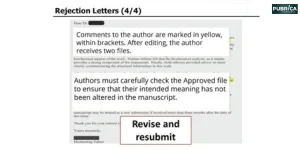
Publication Support Service
- Editing & Translation
-
Editing and Translation Services
- Sample Work
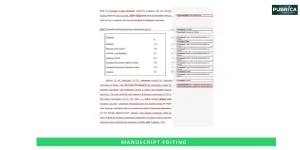
Editing and Translation Service
-
- Research Services
- Sample Work
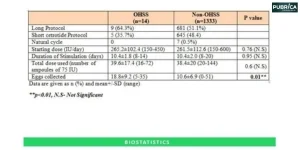
Research Services
- Physician Writing
- Sample Work
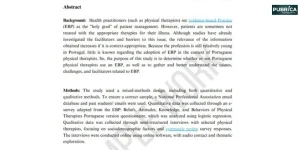
Physician Writing Service
- Statistical Analyses
- Sample Work
Statistical Analyses
- Data Collection
- AI and ML Services
- Sample Work
AI and ML Services
- Medical Writing
- Sample Work
Medical Writing
- Research Impact
- Sample Work
Research Impact
- Medical & Scientific Communication
- Sample Work
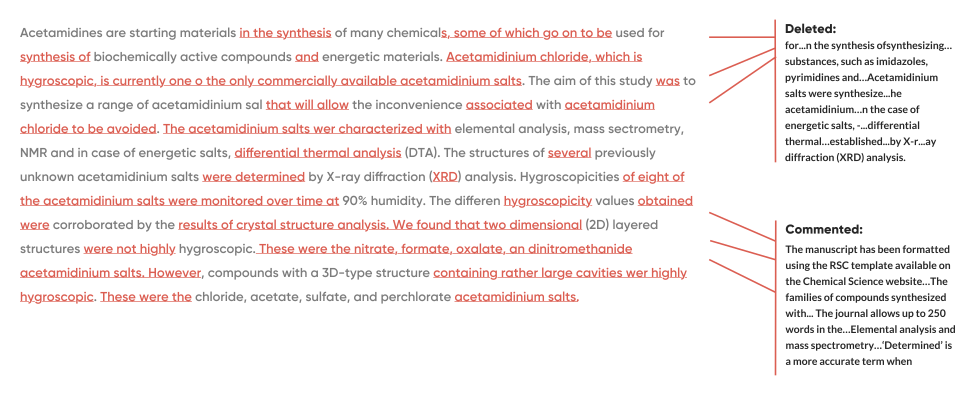
Medical & Scientific Communication
- Medico Legal Services
- Educational Content
- Academic Editorial Services
- Sample Work
Academic Editorial Services
- Educational Editorial Service
-
Education Editorial Services
- Sample Work
Education Editorial Services
-
- Industries
- Subjects
- About Us
- Academy
- Insights
- Contact Us
Scientific editing is crucial for enhancing research papers to meet journal standards and maximize impact during peer review. This guide offers insight into the purpose, methods, tools, and results of scientific editing, ensuring that manuscripts are accurate, understandable, and publication-ready. [1]
Scientific Editing: Enhancing Accuracy and Clarity in Research Manuscripts
- Home
- Academy
- Scientific Editing
- Scientific Editing: Enhancing Accuracy and Clarity in Research Manuscripts
Scientific Editing
Interesting topics
Scientific Editing: Enhancing Accuracy and Clarity in Research Manuscripts
Scientific editing is crucial for enhancing research papers to meet journal standards and maximize impact during peer review. This guide offers insight into the purpose, methods, tools, and results of scientific editing, ensuring that manuscripts are accurate, understandable, and publication-ready. [1]
1. Importance of Scientific Editing
Scientific editing is much more than correcting grammar; it improves your research.
- It ensures clear explanations of hypotheses, methodology, and results.
- It promotes logical role and coherence.
- It provides precision with language, terms, and definitions.
- It aligns manuscripts with journal submission guidelines.
- It minimizes the risk of reviewer friction to help facilitate the peer review process.
Authors are far more likely to garner positive results from peer review and ultimately publication by prioritizing scientific editing.[2]
2. Core Components of Scientific Editing
2.1. Structural Editing
- Refining organization and structure
- Emphasizing logical flow between sections
- Ensuring ample background and justification in the Introduction
2.2. Language and Style Editing
- Checking for grammatical accuracy and tone consistency
- Standardizing terminology and scientific nomenclature
2.3. Data Presentation and Accuracy
- Verifying that tables, graphs, and figures support the text.
- Ensuring statistical results (p-values, confidence intervals) are accurately reported.
2.4. Reference and Citation Consistency
- Ensuring citations are in the correct referencing style (e.g., APA, Vancouver)
- Ensuring your in-text citations correlate to your bibliography
3. Best Practices for Authors and Editors
| Practice | Why It Matters | Tips |
| Early Editing | Reduces errors before external feedback | Edit drafts as you write |
| Use of Style Guides | Maintains consistency across sections | Follow AMA or ICMJE for medical manuscripts |
| Peer Feedback Before Submission | Helps pre-empt reviewer comments | Have 1–2 colleagues review your draft |
| Professional Editing Services | Offers expert insights and polish | Include scientific editing in budget |
| Compliance with Submission Guides | Prevents desk rejection | Always double-check journal guidelines [3] |
4. Common Problems Fixed by Scientific Editing
- Superior position of facts where they belong in written text instead of tables.
- Inconsistent reference formatting corrected.
- Removed vagueness with clearer wording.
- All long sentences were broken down into smaller sentences.
- Minimized passive voice to make it more engaging.
- All formatting was made consistent within sections.
5. Bullet Points of Editing Benefits
- Improves the readability of research manuscripts
- Decreases the risk of rejection in the peer review process
- Ensures methodologies and results are communicated accurately
- Fits manuscript into journals submission guidelines
- Improves author’s credibility and professionalism
6. Tools and Techniques
- Use Track Changes feature in Word for transparency in your editing history
- Use Grammarly and PerfectIt to check for language and formatting mistakes
- Have a statistical review to verify the accuracy of your numeric [4]
- Utilize reference management tools (EndNote, Mendeley) to make citation work efficiently
Connect with us to explore how we can support you in maintaining academic integrity and enhancing the visibility of your research across the world!
Conclusion
Scientific editing is vital for converting our raw research manuscript into a clear, accurate, and publication-ready manuscript. Quality editing improves clarity, checks methodological accuracy, and aligns with journal requirements. This will lead to a smoother peer review process and greater chances of publication.
Scientific Editing: Enhancing Accuracy and Clarity in Research Manuscripts? Our academic consultants are here to guide you. [Get Expert Publishing Support] or [Schedule a Free Consultation]
References
- Chong, C. (1998). Reviewing/editing a manuscript for scientific publication. Canadian Journal of Plant Science, 78(3), 377–382. https://doi.org/10.4141/p97-112
- Khattri, M. B. (1970). Writing, editing and publishing an article in a scientific journal. Dhaulagiri Journal of Sociology and Anthropology, 3(0), 185–196. https://doi.org/10.3126/dsaj.v3i0.2787
- Kelly, K. M., Harpe, S., & Hohmeier, K. C. (2025). Before you click submit: Double check your manuscript. JAPhA Practice Innovations, 2(1), 100022. https://doi.org/10.1016/j.japhpi.2024.100022
- Habibzadeh, F. (2017). Statistical data editing in scientific articles. Journal of Korean Medical Science, 32(7), 1072. https://doi.org/10.3346/jkms.2017.32.7.1072