
- Services
- Discovery & Intelligence Services
- Publication Support Services
- Sample Work
Publication Support Service
- Editing & Translation
-
Editing and Translation Services
- Sample Work
Editing and Translation Service
-
- Research Services
- Sample Work
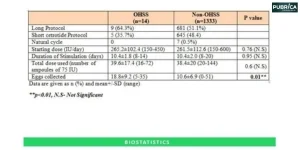
Research Services
- Physician Writing
- Sample Work
Physician Writing Service
- Statistical Analyses
- Sample Work
Statistical Analyses
- Data Collection
- AI and ML Services
- Sample Work
AI and ML Services
- Medical Writing
- Sample Work
Medical Writing
- Research Impact
- Sample Work
Research Impact
- Medical & Scientific Communication
- Sample Work
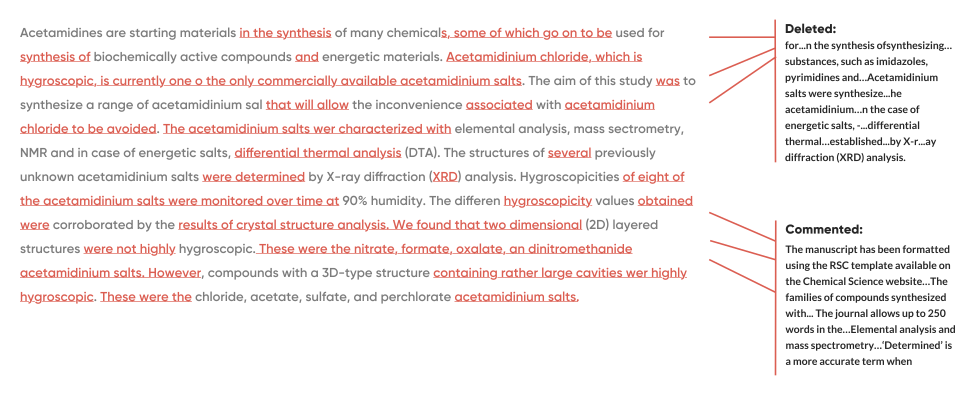
Medical & Scientific Communication
- Medico Legal Services
- Educational Content
- Academic Editorial Services
- Sample Work
Academic Editorial Services
- Educational Editorial Service
-
Education Editorial Services
- Sample Work
Education Editorial Services
-
- Industries
- Subjects
- About Us
- Academy
- Insights
- Contact Us
Targeted literature searches are a fundamental part of writing clinical manuscripts that will meet the standards of high-quality journals and contribute meaningfully to evidence-based practice. When physicians write clinical manuscripts, utilizing a targeted literature search can identify high-quality, relevant, and current evidence. While a general literature review is useful, a targeted literature search is specific to the clinical question and should be completed through frameworks established, such as PICO (Population, Intervention, Comparator, Outcome) and PRISMA [1].
How to Design and Implement an Effective Physician Training Program
- Home
- Academy
- Physician Writing
- How to Design and Implement an Effective Physician Training Program
Physician Training Program
Interesting topics
How to Design and Implement an Effective Physician Training Program
1. Introduction
2. Establishing Training Objectives
3. Needs Assessment
4. Curriculum Development
5. Choosing Effective Teaching Methods
6. Integrating Assessment and Feedback
7. Faculty Development and Resource Allocation
8. Promoting Interdisciplinary Collaboration
9. Conclusion
10. References
Introduction
A well-designed physician training program helps to preserve academic integrity, provide patient safety, and deal with rapid growth in medical knowledge and advances in technology. Evidence-based design approaches to medical education programs include adult learning principles, clinical relevance, and ongoing assessment processes [1].
1. Establishing Training Objectives
The first step in developing a physician training program is defining specific, measurable, achievable, relevant, and time-bound (SMART) learning objectives that align with institutional goals and national standards [2].
Example Objectives:
- Improve diagnostic accuracy in emergency medicine
- Enhance knowledge of antimicrobial stewardship
- Strengthen physician communication with patients and multidisciplinary teams
2. Needs Assessment
Aim: Determine institutional, departmental, and physician-specific training gaps.
Steps:
Example
A tertiary care hospital in India noted poor physician documentation. A training module related to EMR best practices was developed after a needs analysis.
3. Curriculum Development
Curriculum development should encompass a combination of essential medical knowledge, practical skills, and non-clinical competencies, including leadership, ethics.
Essential elements:
- Clinical rotations
- Procedural skills training (simulation-based and real-world)
- Workshops to practice communication and leadership skills
- Journal clubs and evidence-based practice
- CME credits (e.g., NMC approved)
Example
An internal medicine residency introduced a flipped-classroom model to teach ECG interpretation using online videos, followed by peer-reviewed problem-solving sessions.
4. Choosing Effective Teaching Methods
Different ways of teaching will help ensure active learning and knowledge retention.
Key Methods:
- Bedside Teaching: Clinical decisions in real-time
- Simulation Training: High-fidelity simulation for infrequent procedures (e.g., cricothyrotomy)
- Case-Based Discussions: To support clinical ingenuity
- Mentorship Models: One-on-one match, with assessment and accountability for academic and/or clinical support
Case Example
At AIIMS, Delhi, simulation-based modules in trauma care showed a significant improvement in residents’ performance during mock drills.
5. Integrating Assessment and Feedback
Assessments ensure learning objectives are met and guide remedial instruction.
Types of Assessment Tools
| Tool | Purpose | Example Use Cases |
| OSCE | Assess clinical and communication skills | Final-year assessments |
| DOPS (Direct Observation of Procedural Skills) | Evaluate hands-on proficiency | Central line insertion, lumbar puncture |
| Mini-CEX | Evaluate clinical encounters | Outpatient consultation |
Feedback should be timely, constructive, and specific. Models like Pendleton’s Rule or the R2C2 feedback model support reflective learning [3].
6. Faculty Development and Resource Allocation
- Train-the-trainer workshops on adult learning theory, feedback, and assessment
- Allocate protected time for faculty engagement
- Provide instructional materials and access to learning platforms
Example: Faculty Development
A Delhi-based institution implemented a quarterly faculty workshop series on “Effective Teaching & Feedback,” leading to improved resident evaluations.
7. Promoting Interdisciplinary Collaboration
Training should expose physicians to collaborative practice environments involving nurses, pharmacists, and other healthcare workers.
- Team-Based Learning (TBL) enhances clinical reasoning in multi-disciplinary contexts
- Joint Simulation Exercises improve communication in the critical care setting
Connect with us to explore how we can support you in maintaining academic integrity and enhancing the visibility of your research across the world!
Conclusion
Developing and implementing a meaningful physician training program requires a formal, structured approach in a flexible way that connects to educational theory, technological environments, assessment strategies, and regulatory requirements. Emphasizing a competency-based outcome and continuous quality improvement can enable organizations to create a learning culture that improves physician performance and patient care outcomes.
Looking to Build a Custom Physician Training Framework?
Pubrica offers research-based development for CME, curriculum design, faculty training, and compliance with ACGME/NMC standards.
References
- Frenk, J., Chen, L., Bhutta, Z. A., Cohen, J., Crisp, N., Evans, T., … & Zurayk, H. (2010). Health professionals for a new century: Transforming education to strengthen health systems in an interdependent world. The Lancet, 376(9756), 1923–1958. https://doi.org/10.1016/S0140-6736(10)61854-5
- Bjerke, M. B., & Renger, R. (2017). Being smart about writing SMART objectives. Evaluation and Program Planning, 61, 125–127. https://doi.org/10.1016/j.evalprogplan.2016.12.009
- Watling, C., & Ginsburg, S. (2019). Assessment, feedback and the alchemy of learning. Medical Education, 53(1), 76–85. https://pubmed.ncbi.nlm.nih.gov/30073692/