
- Services
- Discovery & Intelligence Services
- Publication Support Services
- Sample Work
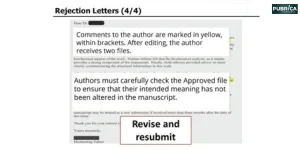
Publication Support Service
- Editing & Translation
-
Editing and Translation Services
- Sample Work

Editing and Translation Service
-
- Research Services
- Sample Work

Research Services
- Physician Writing
- Sample Work
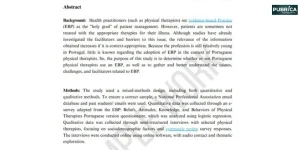
Physician Writing Service
- Statistical Analyses
- Sample Work

Statistical Analyses
- Data Collection
- AI and ML Services
- Sample Work
AI and ML Services
- Medical Writing
- Sample Work
Medical Writing
- Research Impact
- Sample Work

Research Impact
- Medical & Scientific Communication
- Sample Work
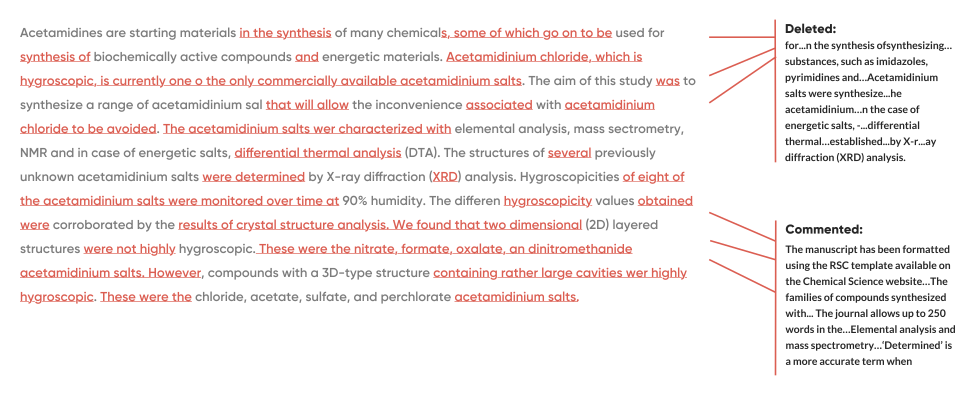
Medical & Scientific Communication
- Medico Legal Services
- Educational Content
- Academic Editorial Services
- Sample Work
Academic Editorial Services
- Educational Editorial Service
-
Education Editorial Services
- Sample Work
Education Editorial Services
-
- Industries
- Subjects
- About Us
- Academy
- Insights
- Contact Us
Patient education is a key component of healthcare, as it involves teaching patients the skills, knowledge, and resources necessary to manage their health. For persons with chronic conditions, patient education can enable and encourage patients to manage their symptoms and/or conditions, reduce complications and improve their quality of life. Patient education is also important for preventative care; helping patients conceptualize the need for certain lifestyle changes, and screenings, helps prevent disease. [1]
The Role of Patient Education in Managing Chronic Conditions and Preventative Care
- Home
- Academy
- Patient Education
- Role of Patient Education in managing chronic conditions & Preventive care
Patient Education
Interesting topics
The Role of Patient Education in Managing Chronic Conditions and Preventative Care
Patient education is a key component of healthcare, as it involves teaching patients the skills, knowledge, and resources necessary to manage their health. For persons with chronic conditions, patient education can enable and encourage patients to manage their symptoms and/or conditions, reduce complications and improve their quality of life. Patient education is also important for preventative care; helping patients conceptualize the need for certain lifestyle changes, and screenings, helps prevent disease. [1]
This article discusses the role of patient education in managing chronic conditions and preventative care, focusing on key strategies, benefits, and challenges.
1. Understanding Chronic Conditions and Preventative Care
Chronic conditions are diseases or health conditions that last for one year or more and require ongoing medical attention or limit activities of daily living. Examples of chronic conditions include cardiovascular disease, diabetes, chronic respiratory diseases, and cancer. Preventative care is the action taken to prevent the disease or find it in time to treat it. [2]
Chronic Conditions | Preventative Care |
|
|
2. The Importance of Patient Education in Chronic Condition Management
Chronic illness management requires a proactive partnership between healthcare providers and patients. Patient education is an essential part of this partnership because when informed, patients can make educated choices about their care. Education empowers patients to be stewards of their health, reducing the burden to the healthcare system, while improving the status of their health. [3]
2.1. Empowering Patients with Knowledge
- Improved Adherence: Patients who have been educated are far more likely to adhere to the treatment regimens that are prescribed, which results in much better management of chronic conditions.
- Improved self-management: Patients who have been appropriately education can identify symptoms, manage their own medications, and make necessary lifestyle modifications, which promotes good health.
- Improved quality of life: Education can help patients understand how to live with their condition, which will reduce physical and emotional burden.
2.2. Key Areas of Education for Chronic Condition Management
- Medication Adherence: Ensuring that patients understand the importance of taking medications correctly.
- Symptom Monitoring: Educating patients on how to monitor their symptoms and seek help when necessary.
- Lifestyle Modifications: Teaching patients about diet, exercise, and stress management to control chronic conditions.
| Chronic Condition | Educational Focus | Expected Outcome |
| Diabetes [4] | Blood sugar monitoring, healthy eating, medication adherence | Reduced risk of complications like neuropathy and retinopathy |
| Hypertension [5] | Blood pressure monitoring, salt reduction, medication adherence | Better control over blood pressure and prevention of heart disease |
| Asthma [6] | Inhaler use, symptom tracking, avoiding triggers | Fewer asthma attacks and hospitalizations |
| Arthritis [7] | Joint protection techniques, exercise, pain management | Enhanced mobility and reduced pain |
3. The Role of Patient Education in Preventative Care
Preventative care is aimed at preventing the development of chronic diseases before they begin. If healthcare providers can teach patients what they can do in preventative health, they are helping provide skills for patients to consider lifestyle changes that support them in making healthy decisions to have a longer healthier lifestyle.
3.1. Key Preventative Education Strategies
- Health Screenings: Teaching patients the value of getting regular health screenings (i.e., blood pressure and cholesterol checks, cancer screenings).
- Vaccinations: Educating patients on the significance of vaccines to protect against diseases.
- Healthy Lifestyle Choices: Promoting good nutrition, exercise, stress management, and tobacco cessation to limit the risk of chronic diseases.
3.2. Benefits of Preventative Education
- Early Identification: Health screenings identify potential problems before they arise.
- Save Money: Preventative care will prevent the cost of developing a chronic disease.
- Help for a Lifetime: Being educated on matters of diet, exercise, and self-care leads to better overall health and the reduced risk of preventable diseases.
Preventative Care | Educational Focus | Expected Outcome |
Cancer Prevention | Regular screenings (e.g., mammograms, colonoscopies), healthy lifestyle | Early detection of cancer, better prognosis |
Heart Disease | Healthy eating, regular exercise, controlling blood pressure | Reduced risk of heart disease and stroke |
Diabetes Prevention | Healthy eating, weight management, regular physical activity | Lower incidence of Type 2 diabetes |
Infectious Diseases | Vaccination schedules, hygiene practices | Reduced incidence of preventable infections |
4. Challenges in Patient Education
Patient education is an important activity but there are many barriers to its effectiveness. Recognizing barriers and understanding them will help healthcare providers enhance patient education efforts.
Common Barriers | Overcoming Barriers |
|
|
5. The Impact of Patient Education on Health Outcomes
Patient education is proven to affect health outcomes, for patients with chronic illnesses. Educated patients are more likely to stick with their treatment regimens, manage their symptoms effectively, and obtain care when they need to. In the case of preventative care, educating patients around healthy habits and frequent screening can help catch an illness sooner, leading to an improved prognosis and decrease in health care costs.
Connect with us to explore how we can support you in maintaining academic integrity and enhancing the visibility of your research across the world!
Conclusion
The importance of patient education in controlling chronic conditions and encouraging preventative care cannot be sufficient. Providing patients with the insight and tools to manage their disease and prevent additional sickness will not only improve health outcomes, but it will reduce healthcare costs as well. It is imperative to overcome barriers to patient education (health literacy, lack of access, etc.) so that all patients can partake in the valuable benefit that is patient education.
References
- Correia, J. C., Waqas, A., Assal, J. P., Davies, M. J., Somers, F., Golay, A., & Pataky, Z. (2023). Effectiveness of therapeutic patient education interventions for chronic diseases: A systematic review and meta-analyses of randomized controlled trials. Frontiers in medicine, 9, 996528. https://doi.org/10.3389/fmed.2022.996528
- Kreiner, M. J., & Hunt, L. M. (2014). The pursuit of preventive care for chronic illness: turning healthy people into chronic patients. Sociology of Health & Illness, 36(6), 870–884. https://doi.org/10.1111/1467-9566.12115
- Kim, S. (2022). Effect of primary care-level chronic disease management policy on self-management of patients with hypertension and diabetes in Korea. Primary Care Diabetes, 16(5), 677–683. https://doi.org/10.1016/j.pcd.2022.08.003
- Peterson, K. A., Solberg, L., & Carlin, C. (2022). 930-P: Care management practices for diabetes and other chronic conditions during COVID. Diabetes, 71(Supplement_1). https://doi.org/10.2337/db22-930-p
- Correction to:Trends in the prevalence of multiple chronic conditions among US adults with hypertension from 1999-2000 through 2017-2020. (2024). American Journal of Hypertension, 37(10), 838–840. https://doi.org/10.1093/ajh/hpae081
- Murphy, T., McAvay, G., Allore, H., Stamm, J., & Simonelli, P. (2017). Contributions of COPD, asthma, and ten comorbid conditions to health care utilization and patient-centered outcomes among US adults with obstructive airway disease. International Journal of Chronic Obstructive Pulmonary Disease, 12, 2515–2522. https://doi.org/10.2147/copd.s139948
- Murphy, L. B., Theis, K. A., Brady, T. J., & Sacks, J. J. (2021). Supporting self-management education for arthritis: Evidence from the Arthritis Conditions and Health Effects Survey on the influential role of health care providers. Chronic Illness, 17(3), 217–231. https://doi.org/10.1177/1742395319869431