
- Services
- Discovery & Intelligence Services
- Publication Support Services
- Sample Work

Publication Support Service
- Editing & Translation
-
Editing and Translation Services
- Sample Work

Editing and Translation Service
-
- Research Services
- Sample Work

Research Services
- Physician Writing
- Sample Work

Physician Writing Service
- Statistical Analyses
- Sample Work

Statistical Analyses
- Data Collection
- AI and ML Services
- Sample Work

AI and ML Services
- Medical Writing
- Sample Work
Medical Writing
- Research Impact
- Sample Work
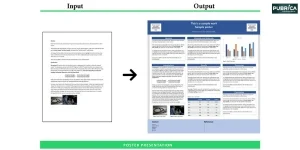
Research Impact
- Medical & Scientific Communication
- Sample Work
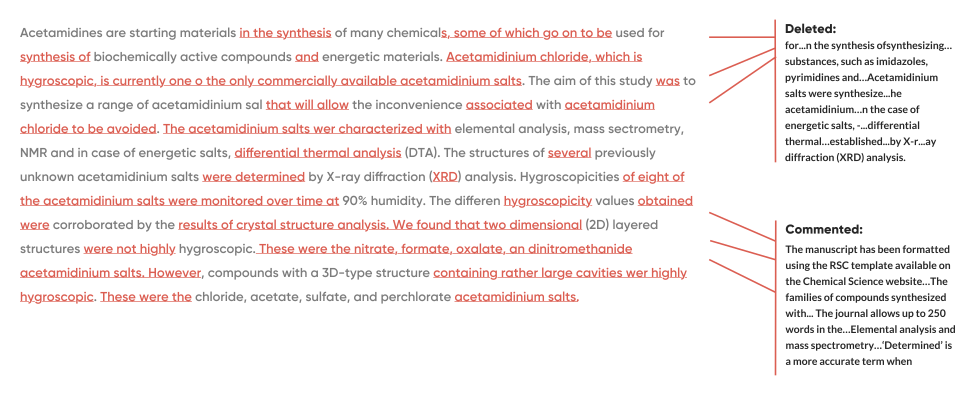
Medical & Scientific Communication
- Medico Legal Services
- Educational Content
- Academic Editorial Services
- Sample Work
Academic Editorial Services
- Educational Editorial Service
-
Education Editorial Services
- Sample Work
Education Editorial Services
-
- Industries
- Subjects
- About Us
- Academy
- Insights
- Contact Us
Meta-Analysis Services for Clinical and Healthcare Research
- Home
- Academy
- Statistical analysis
- Meta-Analysis Services for Clinical and Healthcare Research
High-Impact Journals
- Why Meta-Analysis Matters in Modern Healthcare
- Meta-Analysis Components That Transform Multiple Studies into One Conclusion
- Advanced Quantitative Methods in Meta-Analysis
- How Meta-Analysis Supports Publication
- Core Statistical Approaches for Meta-Analysis
- Challenges in Conducting Meta-Analysis
- Healthcare Advancements Driven by Meta-Analysis
Interesting topics
Meta-Analysis Services for Clinical and Healthcare Research
1. Why Meta-Analysis Matters in Modern Healthcare
2. Meta-Analysis Components That Transform Multiple Studies into One Conclusion
3. Advanced Quantitative Methods in Meta-Analysis
4. How Meta-Analysis Supports Publication
5. Core Statistical Approaches for Meta-Analysis
6. Challenges in Conducting Meta-Analysis
7. Healthcare Advancements Driven by Meta-Analysis
The health services research produces many clinical trials, observational studies and cohort studies. While insights from a single study could be useful, researchers are not likely to use only one or two individual studies because of sample size, design differences and/or inconsistency in the findings. Using the findings from multiple studies through meta-analysis increases accuracy in estimation, minimizes bias, and leads to more clear recommendations for implementation.[1,2] Researchers often seek professional Meta-analysis Writing Services to efficiently synthesize these findings into actionable insights.
With the assistance of meta-analysis services researchers, clinicians and healthcare organizations combine data across multiple studies for evidence-based decision-making. The results of meta-analyses provide researchers with a complete overview of treatment effectiveness, risk factors associated with a condition, and how to better treat specific populations based on their unique characteristics.[3] . Meta-analysis paper writing by experienced meta-analysis experts ensures reliable and standardized clinical data synthesis for better decision-making
1. Why Meta-Analysis Matters in Modern Healthcare
Taking part in a meta-analysis gives you the chance to have increased sampling size, thus enabling higher statistical inferential powers. Also, it covers the totality of the evidence for any given issue. You will have unbiased evidence to draw upon when establishing clinical guidelines, public health recommendations, and providing care to your patients[3]. Moreover, writing a meta-analysis allows researchers to present a structured and rigorous synthesis of multiple studies, which enhances credibility in meta-analysis research help. Lastly, you will be able to see where currently missing research exists. [4]
2. Meta-Analysis Components That Transform Multiple Studies into One Conclusion
Meta-analysis services typically include[5]:

3. Advanced Quantitative Methods in Meta-Analysis
Network Meta Analysis | Allows for simultaneous comparisons of different intervention types. NMA is especially helpful when direct head-to-head comparison trial data is unavailable for establishing clinical practice guidelines or placing treatment options in order of preference.[6] |
Individual Participant Based Meta Analysis | Data collected from all study participants. With this database of data, you can analyze the data according to participant characteristics to develop models to allow for different participant characteristics to be evaluated and enhance precision of findings[7] This approach is often discussed in meta-analysis in Medical research to refine treatment strategies. |
Is a way of integrating all available published data with the new data you collect to determine probability estimates. This type of analysis is particularly helpful when studying rare events (i.e., those events that have occurred in small numbers) when studying rare outcomes and/or small sample sizes.[8] | |
Meta-Regression | Is another type of analysis where you can explore how different predictor variables (i.e., age, dose) explain the magnitude of effect (i.e., response) for the intervention of interest. In addition, Meta-Regression will help you understand why there is variation between studies. |
Cumulative meta-analysis | Shows how accumulated studies have contributed to the development of evidence over time. This type of analysis is particularly useful when determining the best way to manage rapidly changing conditions (e.g., infectious diseases and Oncology).[9] |
Advanced Sensitivity and Influence Analysis | Is a method of assessing how robust the final conclusion derived from the analysis to allow you to identify studies data that may have contributed to any biases in your results.[9] Meta-analysis experts often employ these advanced methods while conducting a meta-analysis to maximize reliability. |
4. How Meta-Analysis Supports Publication
- Increases Strength of Evidence Base: Journals will publish manuscripts that provide a strong level of evidence. The results of multiple studies are combined to provide the best possible conclusions, i.e. a higher degree of certainty than what could be achieved with one study alone.
- Improves Methodological Rigor of Scientific Studies: The use of consensus-based guidelines such as PRISMA, MOOSE and AMSTAR 2 for meta-analysis allows for methodological transparency; this is considered positively by reviewers and editors.
- Meets Journal Requirements and Improve the Quality of Manuscripts Submitted for Publication: In addition to reporting results from multiple studies using pooled data, meta-analysis provides authors with easy-to-understand visual aids for presenting their findings, and supplying journals with the types of data that meet the expectations of the journal.[5]
- Meta-analysis Provides Resolution to Conflicting Findings Among Individual Studies: When there are multiple conflicting results between different studies, meta-analysis allows for the systematic synthesis of those results in a manner that allows for the preparation of a more persuasive final manuscript for editors.[2]
5. Core Statistical Approaches for Meta-Analysis
The selection of these statistical approaches is a crucial part of the meta-analysis process performed by meta-analysis experts.
Method | Purpose |
Fixed-Effects Model | Assumes there is one true effect across all studies: best for homogeneous data |
Random-Effects Model | Accounts for variability between studies; suitable for heterogeneous data |
Subgroup Analysis | Explores how different participant characteristics affect outcomes |
Sensitivity Analysis | Tests the robustness of results by removing outliers or low-quality studies |
Meta-Regression | Investigates how study-level factors influence effect sizes |
Cumulative Meta-Analysis | Adds studies sequentially to observe trends and evolution of evidence |
6. Challenges in conducting meta-analysis
- Heterogeneity of Studies. The wide range of design, population, intervention, and outcome differences across many studies complicates the ability to pool data from multiple studies together.
- Incomplete Data. Missing outcome or inconsistent reporting of outcomes across multiple studies can impact the overall quality of the analysis.
- Publication Bias. The tendency for investigators to publish positive findings or positive results from their studies can lead to biased conclusions.
- Poor to Moderate Quality of Studies. The methodology, sample size and other factors all affect the reliability of studies.
- Statistical Complexity. The application of complex statistical models such as meta-regression or network meta-analysis necessitates advanced statistics training. This is where meta-analysis experts and statistical meta-analysis techniques are essential.
- Time and Cost Resources. The time and resources needed to conduct comprehensive literature searches and databases; harmonise and validate data are significant.
7. Healthcare Advancements Driven by Meta-Analysis
- Clinical Decision-Making is part of assisting with making the best choices when it comes to how we treat patients and helping to identify what types of treatments are going to be the best choices at that time across many different patient populations.
- Health Policy and Public Health includes implementing national standards for how care is to be provided and creating the protocols that will be used to administer vaccinations, preventive health programs, and screening.
- Drug Efficacy and Safety are evaluated based on the benefits versus risks of the treatments available based on the research that has been completed as part of the many clinical trials.
- Knowing What We Don’t Know – a method of identifying where there are knowledge gaps in terms of research available for that condition will help researchers identify future needs for clinical studies and/or the need for new types of trials. Meta-analysis in Medical research plays a critical role in these healthcare advancements through clinical data synthesis
Connect with us to explore how we can support you in maintaining academic integrity and enhancing the visibility of your research across the world!
Conclusion
Meta-analysis brings together data from many studies, giving health decision makers more precise and usable evidence. It can help resolve the contradictory results that may arise from different studies, and it can enhance the quality of a study. The new techniques of network meta-analysis and IPD analysis allow researchers to obtain deeper knowledge of the effect of the intervention. Although there are some barriers to conducting a meta-analysis, it is still an integral aspect of the Evidence-Based Practice process and can increase patient outcomes.
Advance your research with expert-driven meta-analysis services from Pubrica. Contact us today to turn multiple studies into meaningful clinical evidence. [Get Expert Publishing Support] or [Schedule a Free Consultation]
References
- Mudge, D. W., Webster, A. C., & Johnson, D. W. (2016). Pro: Meta-analysis: the case for. Nephrology, Dialysis, Transplantation: Official Publication of the European Dialysis and Transplant Association – European Renal Association, 31(6), 875–880. https://doi.org/10.1093/ndt/gfw091
- Lee Y. H. (2018). An overview of meta-analysis for clinicians. The Korean journal of internal medicine, 33(2), 277–283. https://doi.org/10.3904/kjim.2016.195
- Khan, S., Memon, B., & Memon, M. A. (2019). Meta-analysis: a critical appraisal of the methodology, benefits and drawbacks. British journal of hospital medicine (London, England : 2005), 80(11), 636–641. https://doi.org/10.12968/hmed.2019.80.11.636
- Smith, K. A., Cipriani, A., & Geddes, J. R. (2016). The usefulness and interpretation of systematic reviews. BJPsych Advances, 22(2), 132–141. https://doi.org/10.1192/apt.bp.114.013128
- Chapter 10: Analysing data and undertaking meta-analyses. (n.d.). Cochrane.org. Retrieved December 12, 2025, from https://www.cochrane.org/authors/handbooks-and-manuals/handbook/current/chapter-10
- Dias, S., Sutton, A. J., Welton, N. J., & Ades, A. E. (2013). Evidence synthesis for decision making 3: heterogeneity–subgroups, meta-regression, bias, and bias-adjustment. Medical decision making : an international journal of the Society for Medical Decision Making, 33(5), 618–640. https://doi.org/10.1177/0272989X13485157
- Veroniki, A. A., Seitidis, G., Tsivgoulis, G., Katsanos, A. H., & Mavridis, D. (2023). An Introduction to Individual Participant Data Meta-analysis. Neurology, 100(23), 1102–1110. https://doi.org/10.1212/WNL.0000000000207078
- Berkhout, S. W., Haaf, J. M., Gronau, Q. F., Heck, D. W., & Wagenmakers, E.-J. (2024). A tutorial on Bayesian model-averaged meta-analysis in JASP. Behavior Research Methods, 56(3), 1260–1282. https://doi.org/10.3758/s13428-023-02093-6
- Calderon Martinez, E., Ghattas Hasbun, P. E., Salolin Vargas, V. P., García-González, O. Y., Fermin Madera, M. D., Rueda Capistrán, D. E., Campos Carmona, T., Sanchez Cruz, C., & Teran Hooper, C. (2025). A comprehensive guide to conduct a systematic review and meta-analysis in medical research. Medicine, 104(33), e41868. https://doi.org/10.1097/MD.0000000000041868