
- Services
- Discovery & Intelligence Services
- Publication Support Services
- Sample Work
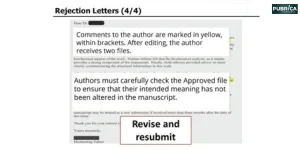
Publication Support Service
- Editing & Translation
-
Editing and Translation Services
- Sample Work

Editing and Translation Service
-
- Research Services
- Sample Work
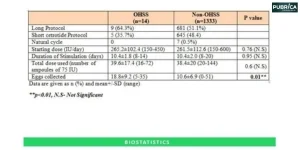
Research Services
- Physician Writing
- Sample Work
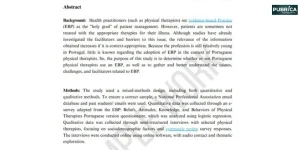
Physician Writing Service
- Statistical Analyses
- Sample Work
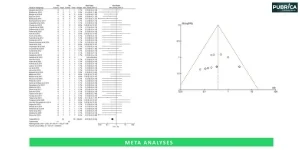
Statistical Analyses
- Data Collection
- AI and ML Services
- Sample Work

AI and ML Services
- Medical Writing
- Sample Work
Medical Writing
- Research Impact
- Sample Work
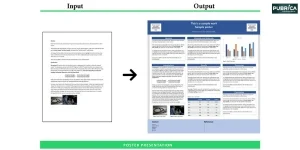
Research Impact
- Medical & Scientific Communication
- Sample Work
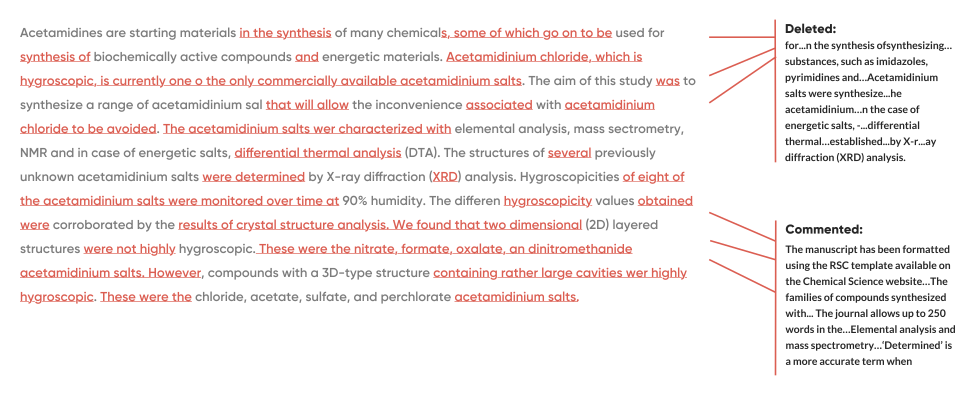
Medical & Scientific Communication
- Medico Legal Services
- Educational Content
- Academic Editorial Services
- Sample Work
Academic Editorial Services
- Educational Editorial Service
-
Education Editorial Services
- Sample Work
Education Editorial Services
-
- Industries
- Subjects
- About Us
- Academy
- Insights
- Contact Us
How to Write a Complete Literature Review for Your Thesis/Dissertation
High-Impact Journals
Interesting topics
How to Write a Complete Literature Review for Your Thesis/Dissertation
Literature review forms one of the essential parts of any thesis or dissertation. This literature review section offers a detailed examination of all the literature pertaining to a particular topic and assists in the identification of areas requiring research. An effectively written thesis literature review is an indication of the knowledge that the writer has in the area and forms the basis of the study that he intends to carry out. Literature reviews are not mere compilations of previous research but analysis and synthesis of available information on the research problem. A well-developed literature review structure strengthens the quality and credibility of academic research.[1]
1. Purpose of a Literature Review
Main objectives of conducting a literature review include identifying the existing body of knowledge and determining the importance of the current study. It assists in understanding the already conducted studies, locating inconsistencies in research, and justifying the necessity of further study. This process is a fundamental component of academic writing and supports evidence-based research development.[2]
Specific objectives include:
- Identification of existing theories and concepts.
- Evaluation of previous research results.
- Detection of research gaps and limitations.
- Determination of the rationale behind the proposed study.
- Supporting research questions formulation.
2. Steps in Writing a Literature Review
Writing a literature review involves a systematic process that ensures comprehensive coverage of relevant studies. Effective research methodology is required to identify, analyze, and synthesize scholarly evidence relevant to the research topic.[3]
Key Steps in Literature Review Writing
| Step | Description | Outcome |
| Define Research Topic | Clearly identify the research problem and objectives | Focused review scope |
| Search Literature | Use databases such as PubMed, Scopus, and Google Scholar | Collection of relevant studies |
| Screen Articles | Apply inclusion and exclusion criteria | Selection of quality evidence |
| Analyze Studies | Evaluate methodology, findings, and limitations | Critical understanding |
| Organize Information | Group studies by themes, methods, or chronology | Logical structure |
| Synthesize Findings | Compare and contrast evidence | Identification of patterns |
| Write and Revise | Draft, edit, and refine content | Final literature review |
3. Searching for Relevant Literature
A good dissertation literature review starts with a proper literature search process where researchers conduct searches using reliable databases and select keywords relevant to their research subject matter. Recent and quality papers must be chosen by the researcher as well as landmark papers that have significantly influenced the field:
- Peer reviewed journal articles
- Books and book chapters
- Conference proceedings
- Government reports
- Systematic reviews and meta-analyses
- Theses and dissertations
Recent and quality papers must be chosen by the researcher as well as some landmark papers that had a significant impact on the field.
4. Organizing the Literature Review
The structure of a literature review is very significant for clarity and comprehensibility. A strong literature review structure enables researchers to organize evidence logically and present arguments effectively through chronological, thematic, methodological, or theoretical approaches.[4]
- Chronological technique: Works are listed in accordance with their publication date to show the development of knowledge through time.
- Thematic Technique: Studies are categorized by themes or concepts that were studied. It is one of the most frequently used techniques when writing a thesis since it gives researchers an opportunity to compare results in particular fields.
- Methodological technique: Works are classified according to research methodology like qualitative, quantitative, or mixed methods.
- Theoretical technique: Studies are classified according to the theoretical framework of previous investigations.
5. Critical Analysis and Synthesis
The purpose of conducting a literature review is not merely to summarize existing studies but to critically analyze and synthesize evidence in terms of strengths, weaknesses, similarities, and differences. This analytical approach enhances thesis writing by providing a strong foundation for future research.
Aspects to consider when conducting a literature review:
- Research design and method of data collection
- Sample and participant selection
- Methodology of statistical analyses
- Findings and conclusions drawn
Synthesis refers to combining findings of several research studies and analyzing common patterns as well as controversies and gaps in knowledge that exist in the area.
6. Identifying Research Gaps
Among the major benefits of carrying out a literature review is the discovery of research gaps. These gaps may arise from limited evidence in specific populations, contradictory findings, methodological shortcomings, or emerging areas requiring additional investigation. Identifying research gaps provides justification for conducting new studies and contributes to the originality of the research:[5]
- The scarcity of literature on a particular population
- Contradictory results
- Methodological shortcomings
- A lack of longitudinal studies
- Areas of emerging interest that require more investigation
The existence of research gaps makes a case for the need for carrying out further studies.
7. Writing Style and Structure
An excellent literature review should be clear, well-organized, and written in a professional academic style. Proper citation practices and logical organization are essential components of both academic writing and successful thesis writing.
Commonly, the structure includes:
- Introduction
- Search Methodology
- Thematic or Conceptual Analysis
- Critical Analysis
- Research Gaps
- Conclusion
Each paragraph must revolve around one particular idea. Adequate citation and referencing are very crucial in avoiding plagiarism.
8. Common Mistakes to Avoid
Several common mistakes can reduce the quality of a literature review. Excessive summarization without critical analysis limits the depth of discussion, while poor organization affects readability and logical flow. Using outdated references may weaken the evidence base and fail to reflect current knowledge. Additionally, failing to identify research gaps can reduce the justification for the study. Inadequate citation practices may lead to plagiarism and compromise academic integrity. Avoiding these mistakes helps improve the credibility, clarity, and scholarly value of the literature review.
Connect with us to explore how we can support you in maintaining academic integrity and enhancing the visibility of your research across the world!
Conclusion
Literature review is an important part of any thesis or dissertation, as it forms the base for research by assessing existing knowledge on the subject. Conducting a literature review involves systematic searching for information sources, critical analysis of evidence, logical organization, and identification of research gaps. By employing appropriate research methodology and maintaining a robust literature review structure, researchers can produce a high-quality thesis literature review or dissertation literature review that demonstrates academic rigor and supports meaningful research outcomes.
Frequently Asked Questions (FAQs)
A literature review is a critical evaluation and synthesis of existing research related to a specific topic. It helps establish the background, identify research gaps, and justify the need for the current study.
A literature review helps researchers understand existing knowledge, identify gaps in the literature, avoid duplication of work, and develop a strong foundation for their research project.
Begin by defining your research topic, searching relevant databases, selecting high-quality studies, analyzing findings, and organizing the information into logical themes or categories.
The main components include an introduction, literature search strategy, critical analysis of studies, synthesis of findings, identification of research gaps, and a conclusion.
The number of references depends on the research topic, academic level, and institutional guidelines. However, researchers should include sufficient high-quality and relevant sources to support their analysis.
A literature review provides a broad overview of existing studies, while a systematic review follows a structured methodology to identify, evaluate, and synthesize evidence from selected studies.
References
- Galdas, P. (2014). Student life – Searching for the evidence: Paul Galdas looks at some steps that students can take when writing a search strategy for a literature review. Nursing Standard (Royal College of Nursing (Great Britain): 1987), 28(40), 66. https://doi.org/10.7748/ns.28.40.66.s53
- Skaik Y. (2013). Medical literature review: Search or perish. Pakistan journal of medical sciences, 29(2), 680–681. https://doi.org/10.12669/pjms.292.3418
- Calderon Martinez, E., Flores Valdés, J. R., Castillo, J. L., Castillo, J. V., Blanco Montecino, R. M., Morin Jimenez, J. E., Arriaga Escamilla, D., & Diarte, E. (2023). Ten Steps to Conduct a Systematic Review. Cureus, 15(12), e51422. https://doi.org/10.7759/cureus.51422
- Qian, J., Zhang, M., & Chen, Z. (2024). A Systematic Literature Review and Network Meta-analysis of Azilsartan Medoxomil Compared to Other Anti-hypertensives Efficacy in Lowering Blood Pressure Amongst Mild to Moderate Hypertensive Patients. Advances in therapy, 41(12), 4498–4517. https://doi.org/10.1007/s12325-024-02997-5
- Wong, E. C., Maher, A. R., Motala, A., Ross, R., Akinniranye, O., Larkin, J., & Hempel, S. (2022). Methods for Identifying Health Research Gaps, Needs, and Priorities: a Scoping Review. Journal of general internal medicine, 37(1), 198–205. https://doi.org/10.1007/s11606-021-07064-1
WhatsApp us