
- Services
- Discovery & Intelligence Services
- Publication Support Services
- Sample Work
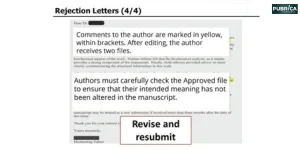
Publication Support Service
- Editing & Translation
-
Editing and Translation Services
- Sample Work

Editing and Translation Service
-
- Research Services
- Sample Work
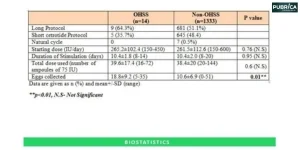
Research Services
- Physician Writing
- Sample Work

Physician Writing Service
- Statistical Analyses
- Sample Work
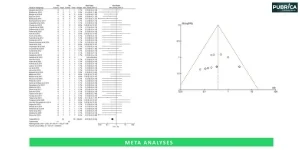
Statistical Analyses
- Data Collection
- AI and ML Services
- Sample Work
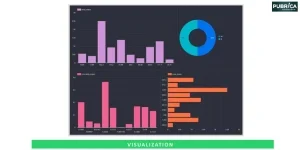
AI and ML Services
- Medical Writing
- Sample Work
Medical Writing
- Research Impact
- Sample Work

Research Impact
- Medical & Scientific Communication
- Sample Work
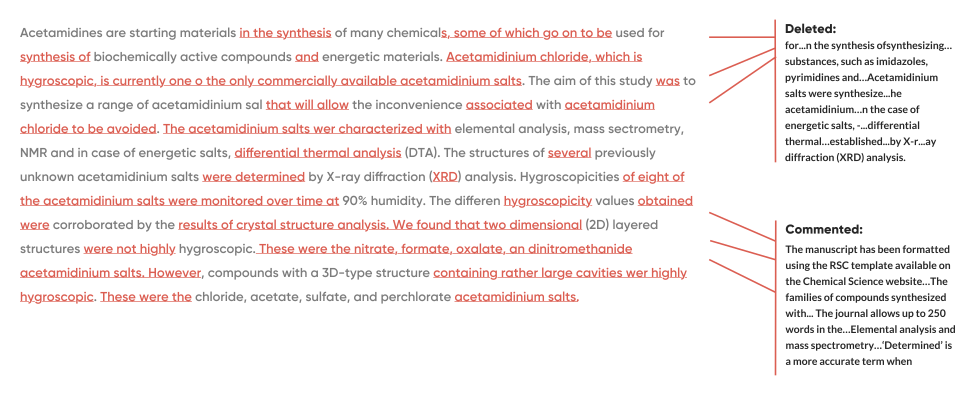
Medical & Scientific Communication
- Medico Legal Services
- Educational Content
- Academic Editorial Services
- Sample Work
Academic Editorial Services
- Educational Editorial Service
-
Education Editorial Services
- Sample Work
Education Editorial Services
-
- Industries
- Subjects
- About Us
- Academy
- Insights
- Contact Us
Journal Quartiles Explained (Q1–Q4): How to Choose the Right Journal for Your Research
- Home
- Academy
- Journal Selection
- Journal Quartiles Explained (Q1–Q4): How to Choose the Right Journal for Your Research
High-Impact Journals
Interesting topics
Journal Quartiles Explained (Q1–Q4): How to Choose the Right Journal for Your Research
1. What Are Journal Quartiles (Q1–Q4)?
2. How Journal Quartiles Are Calculated
3. SEO-Friendly Strategy: How to Choose the Right Journal Quartile for Your Paper
4. Common Misconceptions About Journal Quartiles
5. How Journal Quartiles Influence Research Visibility and Career Growth
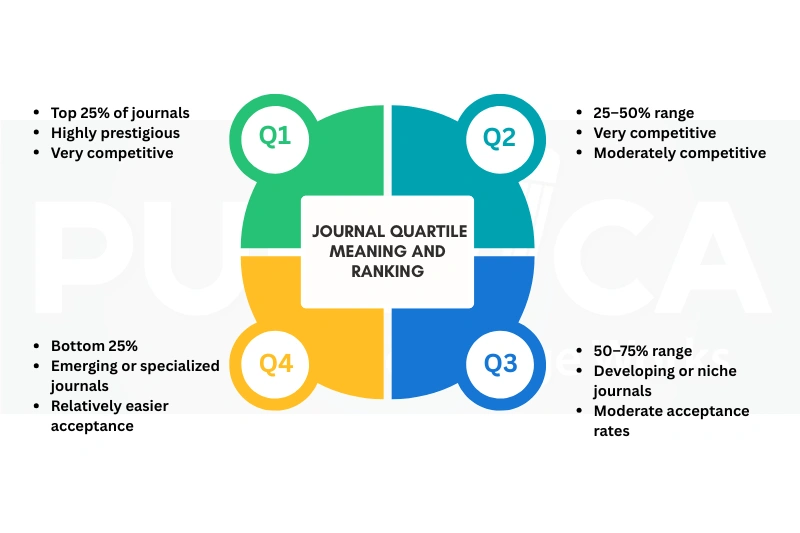
A journal quartile (Q1–Q4) is a metric-based ranking system used in academic publishing to classify journals by impact, dividing them into four equal groups (25% each) based on citation performance. Q1 represents the top 25% (highest impact/prestige), while Q4 represents the bottom 25%. They help researchers quickly gauge a journal’s influence, with Q1 being the most prestigious and competitive.
The publishing of research in an appropriate journal is an important part of the research process. There are many researchers who are familiar with terms like Q1, Q2, Q3, and Q4 journals. But, understanding what these terms actually mean and how they affect the acceptance of the manuscript and research itself is an important aspect. Journal Quartiles are an accepted method for evaluating the quality of a journal. These rankings are commonly referred to as Journal Quartiles (Q1, Q2, Q3, Q4) in academic publishing. Quartiles are citation indices provided by databases like Clarivate Analytics and Elsevier. These databases provide a list of journals based on their performance in terms of citations received by the journals in a particular domain.[1] This guide will help you understand journal quartiles, their significance, and how you can choose an appropriate journal for your research.
1. What Are Journal Quartiles (Q1–Q4)?
- Journals are ranked based on their citation performance within the specific discipline.
- The journals are divided into four equal parts.
- Each part represents the quartile of the journals (Q1, Q2, Q3, and Q4).[2]
THE INSIGHT: Why Quartiles Matter
- Funding agencies prefer publications in Q1 and Q2 when assessing research.
- Quartile positions can affect promotion and tenure at universities.
- Publishing in high-quartile journals can result in increased citation and visibility.
Studies on research evaluation has shown that journal quartiles play an important role in career advancement and funding allocation in academic research.[3]
2. How Journal Quartiles Are Calculated
Journal quartiles are determined on the basis of citation metrics that reflect the impact and importance of a journal within a research community.
| Database | Key Metric | Publisher | Typical Use |
| Journal Citation Reports (JCR) | Impact Factor | Clarivate | Widely used in academic evaluation |
| SCImago Journal Rank (SJR) | SJR Indicator | Elsevier/Scopus data | Alternative ranking system |
| CiteScore Rankings | CiteScore | Scopus | Transparent citation metric |
The databases divide journals into subject areas and rank them according to citation-based metrics.[4] This evaluation framework forms an important part of the broader Journal Ranking System used in academic publishing.
3. SEO-Friendly Strategy: How to Choose the Right Journal Quartile for Your Paper
The choice of journal depends on its impact, scope, and acceptance probability.
3.1. Align Your Manuscript With the Journal Scope
- Read the journal’s scope and aim
- Look through recent published articles
- Ensure that your article type is accepted (research article, review article, case study)
3.2. Evaluate Impact vs. Acceptance Probability
Quartile 1 is more competitive than Quartile 4.
Scenario | Suggested Quartile |
Groundbreaking research with high novelty | Q1 |
Solid research with good research methodology | Q2 |
Specialized or regional studies | Q3 |
Preliminary research or specialized topics | Q4 |
Example: A researcher with a multicenter clinical trial may target a Q1 medical journal, whereas a regional epidemiology study may fit better in a Q2 or Q3 journal.
3.3. Analyze Journal Metrics Beyond Quartiles
Quartiles should not be used as the only basis to select a journal. There are other parameters to be considered:
- Impact Factor or CiteScore
- Speed of peer review
- Acceptance rate
- Open access
- Indexing
Researchers have shown that a combination of these parameters provides a better estimation of journal impact. In many databases, these rankings are derived from metrics such as the Scimago Journal Rank (SJR Quartile).
3.4. Review the Journal’s Audience and Visibility
Writing in a journal that has the right audience can help increase your chances of being cited and maximize your research impact. Questions to consider:
- Who are the audience for this journal?
- Is this journal well-indexed?
- Is this journal publishing similar research to yours?.
New researchers in their early career may think that Q1 journals are the only ones worth targeting for publication. However, publishing in a Q2 or Q3 journal in your specific area of study may result in good citation counts, provided that the journal is accessible to the right research community.
4. Common Misconceptions About Journal Quartiles
Although journal quartiles are useful in helping researchers select the right journal for publishing research, some misconceptions about journal quartiles are common among researchers, especially those who are new to research and publishing. Some of these misconceptions about journal quartiles are:
- ‘Q1 journals ensure good citation counts’
Citation counts are determined by the quality of articles published in the journal and how relevant the research is to its audience.
- ‘Q4 journals are of poor quality’
Some Q4 journals are new and may rank higher in future.
- ‘Quartiles are the same across all databases’
The quartile rank of a journal may vary from one database to another, i.e., a journal may be ranked as Q1 in Scopus and Q2 in Web of Science.[5]
Understanding the Q1, Q2, Q3, and Q4 Journal Meaning helps researchers interpret these differences across databases.
5. How Journal Quartiles Influence Research Visibility and Career Growth
Outside of journal selection, quartile positions can impact research dissemination and visibility indirectly. For example, journals in higher quartiles can have increased readership, indexing, and engagement from international research networks. This can, in turn, increase the visibility of research published in these journals. The implications of this, from an individual researcher’s perspective, can be significant in terms of planning and managing publications. Instead of focusing on individual publications, researchers can begin to build up a portfolio of publications across a variety of journal quartiles, thereby improving their research profile and increasing the dissemination and visibility of their research in their field. Researchers often rely on a professional Journal Selection Service to identify journals that match the scope, impact level, and quartile ranking of their research.
Connect with us to explore how we can support you in maintaining academic integrity and enhancing the visibility of your research across the world!
Conclusion
Knowing the quartiles of a journal assists a researcher in formulating a strategy for publishing a research work. Although Q1 journals have high prestige value, publishing a research work in a journal depends on matching the research work with the journal’s audience and acceptance criteria. By using journal quartiles in conjunction with other factors, a researcher can publish a research work in a journal with a high probability of acceptance and impact. Many researchers also seek Journal Publication Support Services to improve manuscript quality and increase their chances of successful journal submission.
Find the Perfect Journal for Your Research. Get expert guidance from Pubrica to select the right Q1–Q4 journal and improve your chances of successful publication. [Get Expert Publication Support] or [Schedule a Free Consultation]
References
- Garfield, E. (2006). The history and meaning of the journal impact factor. The Journal of the American Medical Association, 295(1), 90–93. https://doi.org/10.1001/jama.295.1.90
- Falagas, M. E., Kouranos, V. D., Arencibia-Jorge, R., & Karageorgopoulos, D. E. (2008). Comparison of SCImago journal rank indicator with journal impact factor. FASEB Journal: Official Publication of the Federation of American Societies for Experimental Biology, 22(8), 2623–2628. https://doi.org/10.1096/fj.08-107938
- Moed, H. F. (2010). Measuring contextual citation impact of scientific journals. Journal of Informetrics, 4(3), 265–277. https://doi.org/10.1016/j.joi.2010.01.00
- Bornmann, L., & Marx, W. (2016). The journal Impact Factor and alternative metrics EMBO Reports, 17(8), 1094–1097. https://doi.org/10.15252/embr.20164
- New, B. (1997). The rationing debate. Defining a package of healthcare services the NHS is responsible for. The case for. BMJ (Clinical Research Ed.), 314(7079), 503–505. https://doi.org/10.1136/bmj.314.7079