
- Services
- Discovery & Intelligence Services
- Publication Support Services
- Sample Work

Publication Support Service
- Editing & Translation
-
Editing and Translation Services
- Sample Work

Editing and Translation Service
-
- Research Services
- Sample Work
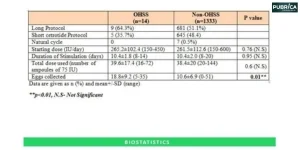
Research Services
- Physician Writing
- Sample Work

Physician Writing Service
- Statistical Analyses
- Sample Work

Statistical Analyses
- Data Collection
- AI and ML Services
- Sample Work
AI and ML Services
- Medical Writing
- Sample Work
Medical Writing
- Research Impact
- Sample Work
Research Impact
- Medical & Scientific Communication
- Sample Work
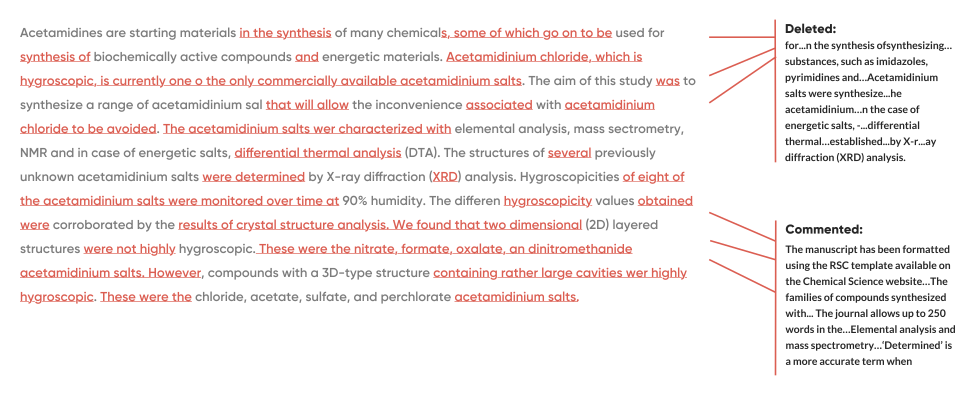
Medical & Scientific Communication
- Medico Legal Services
- Educational Content
- Academic Editorial Services
- Sample Work
Academic Editorial Services
- Educational Editorial Service
-
Education Editorial Services
- Sample Work
Education Editorial Services
-
- Industries
- Subjects
- About Us
- Academy
- Insights
- Contact Us
Targeted literature searches are a fundamental part of writing clinical manuscripts that will meet the standards of high-quality journals and contribute meaningfully to evidence-based practice. When physicians write clinical manuscripts, utilizing a targeted literature search can identify high-quality, relevant, and current evidence. While a general literature review is useful, a targeted literature search is specific to the clinical question and should be completed through frameworks established, such as PICO (Population, Intervention, Comparator, Outcome) and PRISMA [1].
Bioinformatics: Revolutionizing the Analysis of Biological Data and Its Clinical Applications
- Home
- Academy
- Research Impact
- Bioinformatics: Revolutionizing the Analysis of Biological Data and Its Clinical Applications
High-Impact Journals
Interesting topics
Bioinformatics: Revolutionizing the Analysis of Biological Data and Its Clinical Applications
The deluge of biological data arising from endeavours like the Human Genome Project has transformed biology, requiring sophisticated computational analytical methods. Bioinformatics, a hybrid field of biology, computer science, mathematics, and physics, provides ways to organize and understand genomic, transcriptomic, and proteomic data. There are applications of bioinformatics in research and clinical settings, and much of bioinformatics research focuses on understanding the components of biological systems, functional genomics, the mechanistic aspects of disease, and methods for drug discovery. [1]
1. Importance of Bioinformatics
Bioinformatics is critical for the analysis of large and complex datasets and provides researchers with methods for sequence analysis, annotation, and functional interpretation of sequencing data. Tools such as BLAST (Basic Local Alignment Search Tool) and databases such as Ensemble make it easier for researchers to identify gene-sequence information; predict protein function and comparative genomes analyses of sequences; and to interpret whole-genome sequences, including the human genome, in a manner that has opened up personalized medicine and targeted therapy which is changing biology and clinical research as we know it.[1]
2. Impact on Genomics
The Human Genome Project, which produced the first complete map of the human genome, was a landmark event in the field of biology and bioinformatics. Genome sequencing of various organisms has ensued, ranging from bacteria (Haemophilus influenzae, Mycoplasma dentalium, Mycobacterium tuberculosis) to eukaryotes (Saccharomyces cerevisiae, C. elegans, D. melanogaster, A. thaliana) on the bioinformatics level. Bioinformatics can be used to identify the genes, map their evolutionary conservation, predict the function of genes, and synthesize genomic and proteomic data to investigate mechanisms of cellular processes and disease.[2]
3. Bioinformatic Tools and Databases
Bioinformatics is built on software tools and web-based databases. Important databases such as the National Center for Biotechnology Information (NCBI), GenBank, UniGene, the European Bioinformatics Institute (EBI), and Ensemble provide DNA and protein sequences and annotations to determine gene expression profiles for various organisms. Along with these databases, bioinformatics uses software tools like BLAST to compare sequences to identify homologous sequences, make inferences for sequence function, and gene products, without testing them in experiments. [3]
For example, Bioinformatics databases are PROTEIN SEQUENCE (SWISS-PROT), to focus on characteristics and structures of proteins, to provide non-redundant information.
4. Functional Genomics and Proteomics
Following the sequencing of the genome, an entire field of functional genomics developed to endow biological meaning to genes/proteins. For example, transcriptomics and proteomics express alterations in mRNA and protein levels, while DNA microarrays measure thousands of genes at once for tumor classification or target discovery. Protein bioinformatics uses data from two-dimensional electrophoresis, x-ray crystallography, and NMR in computer models to understand protein structure, predict function, and examine properties of protein interactions. [4]
5. Other Applications of Bioinformatics
Bioinformatics enables analysis of gene variants, prediction of protein structures and structures of genes themselves, modeling of interactions in cellular networks, gene regulation dynamics, and the visualization of molecular pathways, in addition to sequencing. Clinicians are beginning to use bioinformatics applications for practical purposes, such as designing PCR primers and predicting gene product functions. In all cases, bioinformatics applications deepen the understanding of gene-disease relationships, aid the discovery of new therapeutic targets, and expedite translational research.
6. Clinical application of bioinformatics
Medical practice is impacted by the availability of gene and gene variation data through databases such as PubMed and OMIM for diagnostic and therapeutic purposes. Bioinformatics allowed the introduction of targeted therapies, such as imatinib for chronic myeloid leukaemia (CML). Gene expression profiling provides strategies for identifying disease-causing genes and potential drug targets, as well as drug response efficacies. Moreover, the long-standing integration of genomic data with clinical data provides value for personalized medicine compared to the use of solely clinical data through pharmacogenomics, where tailoring was built into therapy to have optimal therapeutic efficacy, while mitigating attendant side-effects.[5]
7. Educational and Research Resources
Bioinformatics education and research have been promoted across journal publication sources such as Bioinformatics, textbooks such as Bioinformatics: Sequence and Genome Analysis by Mount and Bioinformatics: A Practical Guide by Beavan and Ouellette, and web-based lectures from the Max Planck Institute for Molecular Genetics.[6]
Connect with us to explore how we can support you in maintaining academic integrity and enhancing the visibility of your research across the world!
Conclusion
Bioinformatics plays an indispensable role in contemporary biology and medicine, and refers to the combination of computational tools to manage and analyze large datasets and analyze these data against experimental data. Bioinformatics is improving our knowledge of genome sequencing, functional genomics, and therapeutic discovery. Bioinformatics also underpins diagnostic development, targeted therapy, and personalized medicine.
Bioinformatics: Revolutionizing the Analysis of Biological Data and Its Clinical Applications? Our Pubrica consultants are here to guide you. [Get Expert Publishing Support] or [Schedule a Free Consultation]
References
- Bayat A. (2002). Science, medicine, and the future: Bioinformatics. BMJ (Clinical research ed.), 324(7344), 1018–1022. https://doi.org/10.1136/bmj.324.7344.1018
- Pang T. (2002). The impact of genomics on global health. American journal of public health, 92(7), 1077–1079. https://doi.org/10.2105/ajph.92.7.1077
- Zhang, S., Liu, K., Liu, Y., Hu, X., & Gu, X. (2025). The role and application of bioinformatics techniques and tools in drug discovery. Frontiers in pharmacology, 16, 1547131. https://doi.org/10.3389/fphar.2025.1547131
- Honoré, B., Østergaard, M., & Vorum, H. (2004). Functional genomics studied by proteomics: What’s new? BioEssays: News and Reviews in Molecular, Cellular and Developmental Biology, 26(8), 901–915. https://doi.org/10.1002/bies.20075
- Wang, X., & Liotta, L. (2011). Clinical bioinformatics: a new emerging science. Journal of clinical bioinformatics, 1(1), 1. https://doi.org/10.1186/2043-9113-1-1
- Pizzolato, D., Abdi, S., & Dierickx, K. (2020). Collecting and characterizing existing and freely accessible research integrity educational resources. Accountability in Research, 27(4), 195–211. https://doi.org/10.1080/08989621.2020.1736571