savings for a limited time.

- Services
- Discovery & Intelligence Services
- Publication Support Services
- Sample Work
Publication Support Service
- Editing & Translation
-
Editing and Translation Services
- Sample Work
Editing and Translation Service
-
- Research Services
- Sample Work
Research Services
- Physician Writing
- Sample Work
Physician Writing Service
- Statistical Analyses
- Sample Work
Statistical Analyses
- Data Collection
- AI and ML Services
- Sample Work
AI and ML Services
- Medical Writing
- Sample Work
Medical Writing
- Research Impact
- Sample Work
Research Impact
- Medical & Scientific Communication
- Sample Work
Medical & Scientific Communication
- Medico Legal Services
- Educational Content
- Academic Editorial Services
- Sample Work
Academic Editorial Services
- Educational Editorial Service
-
Education Editorial Services
- Sample Work
Education Editorial Services
-
- Industries
- Subjects
- About Us
- Academy
- Insights
- Contact Us
Sitting on Unpublished R&D Data? Publication Support for Biotech & Life-Sciences Firms
High-Impact Journals
- Why Unpublished R&D Data Represents a Missed Opportunity
- What Types of R&D Data Can Become Publications?
- From R&D Dataset to Publication-Ready Manuscript
- Publication Readiness: What Should Be Assessed?
- Current Trends Shaping Life-Sciences Publication Strategies
- Where Publication Support Adds Value
- Publication Ethics and Scientific Integrity
- Building a Strategic Publication Pipeline
- The Strategic Value of Publishing R&D
- Conclusion
Interesting topics
Sitting on Unpublished R&D Data? Publication Support for Biotech & Life-Sciences Firms
From Unpublished Data to Scientific Impact: Scientific data is produced by biotech and life-sciences firms during discovery, preclinical work, clinical development, biomarker studies, real-world evidence gathering, and technology verification. However, scientific insights may not be published due to lack of time, publication skills, or resources to convert research and development results into well-structured manuscripts with proper scientific rigor.
Thus, a knowledge gap occurs. Publication assistance may allow organizations to convert relevant datasets and insights into scientific manuscripts while maintaining scientific integrity, data protection, confidentiality, and proper authorship.
Such services are more needed now as life sciences R&D becomes more data-driven and productivity in research becomes a priority for organizations. Recent industry publications demonstrate increasing use of AI, multimodal data, digital technologies, and scientific collaboration outside of R&D processes. Pharma publication support and life sciences publication services can help organisations manage these evolving publication requirements. [1]
1. Why Unpublished R&D Data Represents a Missed Opportunity
Unpublished research might provide valuable evidence which may contribute to scientific knowledge, support further research, or enhance the scientific visibility of organizations. R&D data publication can help organizations communicate scientifically relevant findings to the wider research community.
Examples of such evidence include:
- Preclinical and translational research evidence
- Biomarker and omics data sets
- Findings from clinical and observational studies
- Real world evidence
- Evidence from drug discovery and formulation studies
- Diagnostic or device validation studies
Publishing is not just about disseminating the evidence. There are issues of scientific validity of the research, publication readiness, intellectual property concerns, confidentiality and ethics. Clinical trial data publication and other scientific publication services must therefore consider these factors before publication.
2. What Types of R&D Data Can Become Publications?
Not every internal dataset is automatically suitable for publication. A structured assessment helps determine whether the available evidence can support a manuscript. [2]
|
R&D Output |
Potential Publication Format |
Key Consideration |
|
Preclinical findings |
Original research article |
Experimental rigor |
|
Clinical study data |
Original article / secondary analysis |
Protocol and ethical compliance |
|
Biomarker findings |
Research article / brief report |
Analytical validation |
|
Real-world evidence |
Observational research |
Study design and data provenance |
|
Reviewable internal evidence |
Review/perspective |
Scientific contribution |
|
Novel methodology |
Methods article |
Reproducibility |
|
Preliminary findings |
Conference abstract/poster |
Data maturity |
A publication strategy should therefore begin with data assessment rather than manuscript writing.
3. From R&D Dataset to Publication-Ready Manuscript
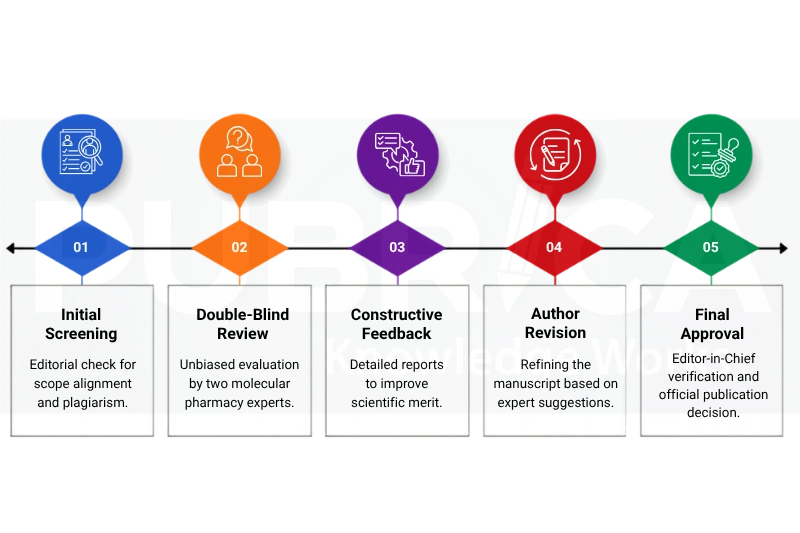
A robust publication workflow can include R&D Data → Scientific Assessment → Study Design Review → Statistical Analysis → Manuscript Development → Internal Review → Journal Selection → Submission → Peer Review
Each stage helps identify weaknesses before the manuscript reaches a journal. Life sciences publication services can provide structured support throughout the transition from R&D data to a publication-ready manuscript.
4. Publication Readiness: What Should Be Assessed?
Before the production of a manuscript, there are certain considerations that biotechnology firms need to consider determining if the research project has attained sufficient maturity and is well documented. [3]
The following are important considerations to be considered:
- The scientific validity of the research findings
- The data quality
- The reproducibility of the methodology and analysis
- The ethical considerations involved in the study
- The determination of the authorship of the research
- The declaration of any conflicts of interest
- The issue of intellectual property rights
This is an especially critical phase for industry-sponsored research where scientific publication is done in parallel with commercial and regulatory issues. Scientific publication services and pharma publication support should therefore consider scientific, ethical, regulatory, and commercial requirements.
5. Current Trends Shaping Life-Sciences Publication Strategies
The publication environment is evolving, along with R&D.[4]
AI-enabled R&D: AI is increasingly being integrated into the processes of drug discovery, development, data analysis and decision-making. There are publication possibilities relating to AI-enabled drug discovery, prediction models, clinical development, and data analysis.
Multimodality and Real-World Data: More life sciences companies are integrating clinical, genomic, and patient-generated data. According to Deloitte, 56% of their survey respondents indicated that they were prioritising real-world evidence and multimodal capabilities.
Faster Scientific Communication: The preprint is growing in importance in the life sciences as this format allows scientists to communicate their findings even before peer review. However, faster communication must be balanced with adequate quality management and transparency.
Higher Emphasis on R&D Productivity: Higher scientific complexity and lengthy development cycles force companies to pay increasing attention to improving R&D productivity. Publication strategy may be an important component of such efforts.
6. Where Publication Support Adds Value
Specialized publication support can help internal R&D teams manage the transition from scientific data to journal-ready communication. [5]
Publication Support Area | Value to Biotech & Life-Sciences Teams |
Data interpretation | Converts technical findings into scientific narratives |
Statistical review | Strengthens analytical interpretation |
Manuscript development | Structures findings according to journal expectations |
Reference management | Supports accurate scientific citation |
Matches manuscripts with appropriate journals | |
Figure and table development | Improves presentation of complex findings |
Submission support | Coordinates journal requirements and documentation |
Reviewer response | Helps organise responses to peer-review comments |
The objective should be to support researchers and subject-matter experts, not replace their scientific judgment. Peer-reviewed manuscript writing and biotech manuscript writing should maintain the scientific contribution and judgment of the researchers and subject-matter experts.
7. Publication Ethics and Scientific Integrity
Publication support requires adherence to stringent principles of integrity in research. The organisations must guard against selective reporting, falsification of data, unqualified authorship, duplicate publication, and unsubstantiated scientific statements.
The manuscript must have a clear distinction between: Observed facts → Statistical findings → Scientific interpretation → Limitations → Conclusions
This is especially true where there are commercial interests involved in the research. Scientific publication services must support responsible publication practices while protecting scientific integrity, confidentiality, authorship, and transparency.
8. Building a Strategic Publication Pipeline
Rather than viewing publication as an end-of-the-line administrative activity, firms can create a publication pipeline to go along with their R&D initiatives.
A possible strategy for doing this might be:
- Early recognition of publication-ready research.
- Match up the data with scientific questions that can be asked.
- IP, confidentiality and ethics assessments.
- Prepare a publication strategy.
- Statistical and methodological evaluation.
- Publishable manuscript preparation.
- Suitable journal selection.
- Peer review tracking.
Such a strategy may enable companies to translate single datasets into a coherent scientific publication portfolio.
9. The Strategic Value of Publishing R&D
Smart planning for publication will yield benefits beyond visibility in the academic world. Publications will help to achieve the following depending on the organisation and research environment:
- Further scientific visibility and credibility.
- Inform researchers and health care practitioners.
- Aid collaboration and innovation from outside.
- Expand the body of scientific knowledge.
- Provide a scientific record of research results.
This is very pertinent, especially in an industry that relies heavily on collaboration and external innovation. Life sciences publication services and scientific publication services can help organisations communicate research findings effectively while maintaining appropriate scientific and ethical standards.
Connect with us to explore how we can support you in maintaining academic integrity and enhancing the visibility of your research across the world!
Conclusion
Unpublished R&D data may hold substantial scientific value for biotech and life sciences companies. Nevertheless, turning research into a paper is not enough. Issues such as data integrity, statistics, publication ethics, authorship, IP issues, confidentiality, journals, and disclosure must be considered.
With life-sciences R&D becoming increasingly data-intensive, due to the widespread use of AI, multimodal datasets, real-world evidence, and fast publishing formats, publication support can become an effective way to turn research into science.
Sitting on Unpublished R&D Data? Publication Support for Biotech & Life-Sciences Firms. Our Pubrica consultants are here to guide you. [Get Expert Publishing Support] or [Schedule a Free Consultation]
Frequently Asked Questions (FAQs)
Publication support for biotech firms helps organisations transform valuable R&D data, scientific findings, and research outputs into well-structured, publication-ready manuscripts. The support may include data interpretation, manuscript development, reference management, journal selection, formatting, and submission support while maintaining scientific integrity, confidentiality, and ethical standards.
R&D data that may support publication includes preclinical findings, clinical trial data, biomarker and omics datasets, real-world evidence, drug discovery and formulation studies, diagnostic or device validation studies, and novel methodologies. A structured assessment is generally performed to determine whether the data has sufficient scientific maturity for publication.
Life sciences publication services can help researchers and R&D teams convert complex scientific findings into clear, publication-ready manuscripts. Services may include biotech manuscript writing, statistical review, literature and reference management, figure and table development, journal selection, formatting, peer-reviewed manuscript writing, and journal submission support.
Publication ethics helps ensure that scientific findings are reported accurately, transparently, and responsibly. Organizations should address issues such as data integrity, authorship, conflicts of interest, confidentiality, intellectual property, selective reporting, duplicate publication, and unsupported scientific claims before submitting a manuscript.
Pharma publication support can assist teams throughout the publication process, including manuscript development, journal selection, formatting, reference checks, pre-submission requirements, submission documentation, and responses to peer-review comments. The goal is to help researchers communicate their findings effectively while maintaining scientific integrity and appropriate publication standards.
References
- Cook-Deegan, R. The science commons in health research: structure, function, and value. J Technol Transfer32, 133–156 (2007). https://doi.org/10.1007/s10961-006-9016-9
- Tijssen, R. J. W., & Winnink, J. J. (2018). Capturing ‘R&D excellence’: indicators, international statistics, and innovative universities. Scientometrics, 114(2), 687–699. https://doi.org/10.1007/s11192-017-2602-9
- Jirge P. R. (2017). Preparing and Publishing a Scientific Manuscript. Journal of human reproductive sciences, 10(1), 3–9. https://doi.org/10.4103/jhrs.JHRS
- Gong, J., Zhao, Z., Niu, X., Ji, Y., Sun, H., Shen, Y., Chen, B., & Wu, B. (2025). AI reshaping life sciences: intelligent transformation, application challenges, and future convergence in neuroscience, biology, and medicine. Frontiers in digital health, 7, 1666415. https://doi.org/10.3389/fdgth.2025
- Tarkang, E. E., Kweku, M., & Zotor, F. B. (2017). Publication Practices and Responsible Authorship: A Review Article. Journal of public health in Africa, 8(1), 723. https://doi.org/10.4081/jphia.2017.7