
- Services
- Discovery & Intelligence Services
- Publication Support Services
- Sample Work
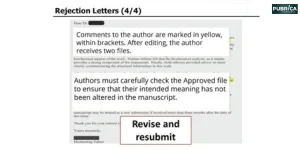
Publication Support Service
- Editing & Translation
-
Editing and Translation Services
- Sample Work

Editing and Translation Service
-
- Research Services
- Sample Work

Research Services
- Physician Writing
- Sample Work

Physician Writing Service
- Statistical Analyses
- Sample Work

Statistical Analyses
- Data Collection
- AI and ML Services
- Sample Work

AI and ML Services
- Medical Writing
- Sample Work
Medical Writing
- Research Impact
- Sample Work

Research Impact
- Medical & Scientific Communication
- Sample Work
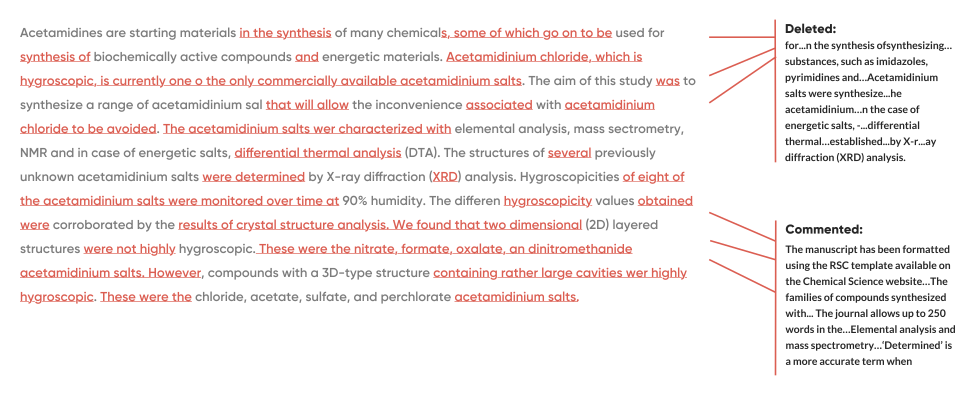
Medical & Scientific Communication
- Medico Legal Services
- Educational Content
- Academic Editorial Services
- Sample Work
Academic Editorial Services
- Educational Editorial Service
-
Education Editorial Services
- Sample Work
Education Editorial Services
-
- Industries
- Subjects
- About Us
- Academy
- Insights
- Contact Us
Where to Submit Your Case Report: Scope, Indexing & Acceptance-Rate Matching
High-Impact Journals
- Why Journal Selection Matters for Case Reports
- How to Evaluate a Journal's Scope for Your Case Report
- Why Journal Indexing Is Important for Case Report Publication
- How to Match Journal Acceptance Rates with Your Manuscript Quality
- Comparing Journals Before Submitting Your Case Report
- Additional Factors to Consider When Selecting a Journal
- Common Reasons Case Reports Are Rejected by Journals
- A Practical Strategy for Matching Your Case Report to the Right Journal
- Best Practices for Successful Case Report Submission
- Conclusion
Interesting topics
Where to Submit Your Case Report: Scope, Indexing & Acceptance-Rate Matching
Publishing a case report in a journal is an important step for clinicians, medical researchers, and healthcare professionals. A properly written case report is valuable in science since it can describe rare diseases, uncommon presentation of a disease, new treatments, and unexpected side effects. However, where to submit a case report is among the most difficult decisions in the publication process. Effective case report journal selection is essential because choosing a journal that is best suited for a case report is among the most difficult steps of the whole process. If the article is submitted to a wrong journal, this may result in a prolonged submission process and multiple rejections. [1]
Choosing a proper journal cannot be reduced to the choice of an influential journal only. It involves evaluation of several factors including the scope of the journal, indexing, acceptance rates, publication policy, audience and the criteria of the journal for accepting manuscripts.
1. Why Journal Selection Matters for Case Reports
Selection of an appropriate journal is a determining factor for success and visibility of research publications. The submission of manuscripts to journals is always assessed with the aim of ensuring that it meets the objectives and scope of the journal. Careful case report journal selection significantly improves the chances of successful publication. [2]
An appropriate journal should:
- Publish clinical cases in the same speciality.
- Have the right audience of medical practitioners.
- Have known indexing systems.
- Adhere to transparent peer review process.
Pre-selection of the journal before preparing the manuscript ensures adherence to necessary formats and procedures.
2. Evaluating Journal Scope
The scope of the journal dictates what kind of manuscript submissions the journal accepts. Authors must consider these questions before submitting their manuscripts when deciding where to submit a case report.
Questions to ask yourself include the following:
- Does this journal publish case reports?
- Is this journal interested in your clinical speciality?
- Have cases like yours been previously published?
- Is there sufficient novelty in your manuscript?
3. Importance of Journal Indexing
Journal indexing determines the visibility and accessibility of published research.
Common indexing databases include: [3]
Indexing Database | Importance |
PubMed/MEDLINE | High visibility for biomedical literature |
Scopus | Broad international research coverage |
Web of Science | Citation tracking and research impact |
Embase | Biomedical and pharmacological indexing |
DOAJ | Open-access journal visibility |
Publishing in indexed journals improves discoverability, citation potential, and academic credibility.
4. Matching Acceptance Rates with Manuscript Quality
Journal acceptance rates differ widely. Highly selective journals would usually prefer highly innovative studies or those that have a high impact on the clinic. Specialty case report journals could provide more chances for publication. [4]
Instead of just considering the acceptance rate, it would be more important for authors to assess:
- clinical innovation,
- educational value,
- evidence quality,
- reporting completeness,
- journal readership.
A suitable paper would stand a better chance of passing peer review.
5. Comparing Journals Before Submission
A structured comparison helps identify the most suitable publication venue during case report journal selection.
Evaluation Criteria | Questions to Consider |
Scope | Does the journal publish similar case reports? |
Indexing | Is the journal indexed in recognised databases? |
Article Type | Are case reports accepted? |
Peer Review | Is the review process transparent? |
Publication Time | How long is the review and publication cycle? |
Open Access | Is open-access publication available? |
Author Guidelines | Does the manuscript meet submission requirements? |
This comparison minimises the likelihood of desk rejection. [5]
6. Additional Factors Influencing Journal Selection
There are several other issues that authors need to consider, such as:
- Publishing costs (Article Processing Charges)
- The open access policy
- Ethical standards
- Reporting guideline adherence (CARE Guidelines)
Although PRISMA 2020 guidelines are specifically intended for systematic reviews rather than case reports, researchers conducting related evidence-based studies should be familiar with them. Likewise, services such as systematic review methodology help, evidence synthesis support, scoping review writing service, and narrative review service are valuable when preparing review-based research alongside clinical publications.
7. Common Reasons for Journal Rejection
Case reports are frequently rejected because they do not match journal requirements.
The following reasons contribute to this issue:
- Mismatch of the topic of the report with journal scope
- Novelty in the clinical aspect is not sufficient
- Patient consent is not clearly described
- The study does not conform to author requirements
- Bad discussion or clinical importance
- Bad formatting of the manuscript
Selection of a suitable journal solves the problem effectively.
8. Practical Strategy for Matching Your Case Report
The efficient selection of an appropriate journal for publication involves:
- Specialty area identification.
- Correlation of case studies published in the journals.
- Analysis of the purpose and scope of the journals.
- Verification of indexing.
- Examination of reporting criteria.
- Timing comparison of publications.
- Submission to the most appropriate journal.
This structured approach helps authors determine where to submit a case report while enhancing publication efficiency and minimising multiple submissions.
9. Best Practices for Successful Submission
Publication success is dependent upon the combination of an effective manuscript and right journal choice. [6]
- Follow CARE reporting criteria.
- Read recent case report publications.
- Ethical documentation should be completed.
- Be precise about following the formatting guidelines of the journal.
- Proofread before submission.
All these strategies enhance both the quality of the manuscript and the confidence of the editor.
Connect with us to explore how we can support you in maintaining academic integrity and enhancing the visibility of your research across the world!
Conclusion
Choosing the right journal to publish your medical case report involves several considerations on the scope of the journal, its indexed status, its editorial standards, and the journal’s policy. It would be much better if you do not submit your manuscript to several different journals to figure out where to submit a case report but instead use a systematic approach to case report journal selection by matching your manuscript with the goals and audience of the journal. While PRISMA 2020 guidelines, systematic review methodology help, evidence synthesis support, scoping review writing service, and narrative review service primarily apply to review-based research, understanding these evidence-based methodologies can strengthen researchers’ overall publication strategy.
Where to Submit Your Case Report: Scope, Indexing & Acceptance-Rate Matching. Our Pubrica consultants are here to guide you. [Get Expert Publishing Support] or [Schedule a Free Consultation]
Frequently Asked Questions (FAQs)
Choose a journal that publishes case reports in your medical specialty, aligns with your manuscript’s scope, is indexed in reputable databases, and follows a transparent peer-review process. Reviewing recently published case reports in the journal can also help determine its suitability.
Journal indexing in databases such as PubMed/MEDLINE, Scopus, Web of Science, Embase, or DOAJ increases the visibility, accessibility, credibility, and citation potential of your published case report.
Yes, but acceptance rate should not be the only consideration. Focus on whether your case report matches the journal’s scope, novelty requirements, educational value, and target audience, as these factors have a greater influence on publication success.
Case reports are commonly rejected because they fall outside the journal’s scope, lack sufficient clinical novelty, do not include proper patient consent, fail to follow author guidelines or CARE reporting standards, or have weak discussion and formatting.
Compare the journal’s scope, indexing status, article types accepted, peer-review process, publication timeline, open-access options, article processing charges (APCs), and author guidelines to identify the best fit for your manuscript.
Improve your chances by following the CARE reporting guidelines, obtaining documented patient consent, selecting a journal that matches your topic and specialty, adhering to the journal’s formatting requirements, and thoroughly proofreading your manuscript before submission.
References
- Alrashdan M. S. (2026). Where do I submit my next paper? A practical guide for biomedical researchers. Journal of biomedical research, 40(3), 341–344. https://doi.org/10.7555/JBR.39.20250
- Nissen, T., & Wynn, R. (2014). The clinical case report: a review of its merits and limitations. BMC research notes, 7, 264. https://doi.org/10.1186/1756-0500-7-264
- Vasudevan, B., Chatterjee, M., Sharma, V., & Sahdev, R. (2025). Indexing of Journals and Indices of Publications. The Indian journal of radiology & imaging, 35(Suppl 1), S148–S154. https://doi.org/10.1055/s-0044-1800878
- Slattengren, A. H., Finstad, D., & Pitt, M. B. (2019). Personal Manuscript Acceptance Rates: Metrics for Self-assessment in Scholarship. PRiMER (Leawood, Kan.), 3, 25. https://doi.org/10.22454/PRiMER.2019
- Welch S. J. (2012). Selecting the right journal for your submission. Journal of thoracic disease, 4(3), 336–338. https://doi.org/10.3978/j.issn.2072-1439.2012.05.06
- Poldiak, N. P., & Crossley, N. (2025). How to Write a Successful Research Manuscript: Back to Basics. HCA healthcare journal of medicine, 6(2), 193–203. https://doi.org/10.36518/2689-0216.1715