savings for a limited time.

- Services
- Discovery & Intelligence Services
- Publication Support Services
- Sample Work
Publication Support Service
- Editing & Translation
-
Editing and Translation Services
- Sample Work
Editing and Translation Service
-
- Research Services
- Sample Work
Research Services
- Physician Writing
- Sample Work
Physician Writing Service
- Statistical Analyses
- Sample Work
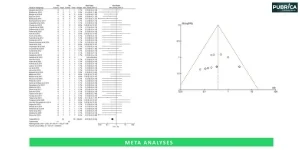
Statistical Analyses
- Data Collection
- AI and ML Services
- Sample Work
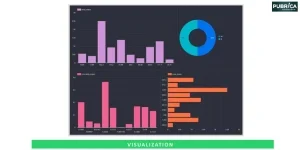
AI and ML Services
- Medical Writing
- Sample Work
Medical Writing
- Research Impact
- Sample Work
Research Impact
- Medical & Scientific Communication
- Sample Work
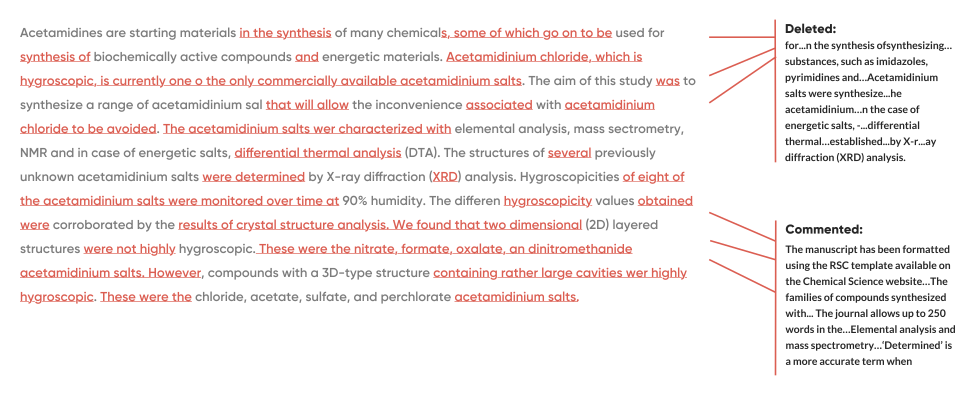
Medical & Scientific Communication
- Medico Legal Services
- Educational Content
- Academic Editorial Services
- Sample Work
Academic Editorial Services
- Educational Editorial Service
-
Education Editorial Services
- Sample Work
Education Editorial Services
-
- Industries
- Subjects
- About Us
- Academy
- Insights
- Contact Us
How to Find Research Keywords Using Google Scholar
High-Impact Journals
Interesting topics
How to Find Research Keywords Using Google Scholar
Keyword selection is perhaps one of the most crucial aspects of doing academic research. Research Keyword Selection plays a vital role in improving the quality of studies. Keywords are the connection between the research problem and the literature available on that research subject. By using effective keywords, researchers can be able to find useful scholarly literature such as journal articles, conference papers, theses, and many more.
Google Scholar is one of the most popular academic databases available, which has millions of scholarly documents indexed in the database. Google Scholar Literature Search is widely used in academic research. Google Scholar not only assist in finding academic papers, but it can also help researchers to find high-impact research keywords. This paper will demonstrate how scholars can utilise Google Scholar to select effective research keywords for their academic research. [1]
1. Why Research Keywords Matter
The selection of research keywords affects the quality and relevancy of the results obtained from search engines. Academic Keyword Optimization is important because irrelevant keywords might produce irrelevant papers, while good keywords can assist researchers in identifying relevant papers. [2]
Good keywords enable researchers to:
- Identify relevant studies.
- Find out research trends.
- Detect research gaps.
- Improve literature review quality.
- Conduct better searches in academic databases.
Keywords also have an important role to play in the indexing of articles in academic databases, supporting Scholarly Database Indexing.
2. Understanding Google Scholar as a Research Tool
Google Scholar is an open-access search engine that includes scholarly works from journals, books, conference papers, dissertations, and institutional repositories. [3]
Google Scholar is preferred by researchers since it:
- has multidisciplinary content;
- has citation details;
- gives recommendations for other relevant sources;
- highlights the most cited sources; and
- supports advanced search methods.
In contrast to regular search engines, Google Scholar specialises in academic literature and thus is very suitable for Systematic Literature Review Keywords and searching for keywords.
3. Step-by-Step Process to Find Research Keywords
Find the right research keywords to improve visibility and impact. Learn a simple step-by-step method to identify effective academic keywords using Research Search Strategy Development. Boost your research discoverability in journals, databases, and search engines. [4]
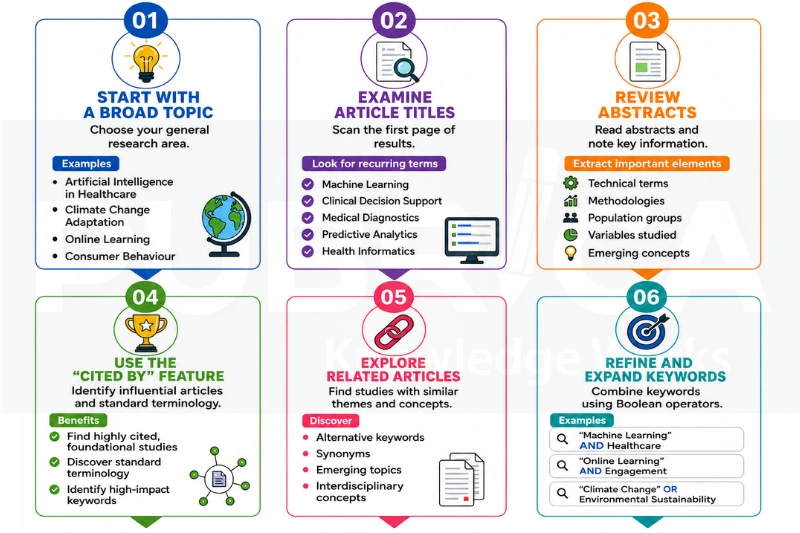
4. Keyword Analysis Example
The table below demonstrates how a researcher can identify keywords using Google Scholar. Citation Analysis for Keyword Identification can also be applied to refine search terms.
| Research Topic | Initial Search Term | Identified Keywords |
| Artificial Intelligence in Healthcare | AI Healthcare | Machine Learning, Predictive Analytics, Clinical Decision Support |
| Online Education | E-learning | Student Engagement, Virtual Learning, Digital Education |
| Climate Change | Climate Adaptation | Sustainability, Environmental Policy, Resilience |
| Consumer Behaviour | Online Shopping | Purchase Intention, Customer Satisfaction, Digital Marketing |
This process helps researchers develop comprehensive search strategies for literature reviews and academic projects using Boolean Search Strategy in Research.
5. Common Mistakes to Avoid
There are numerous mistakes that many researchers commit when they try to identify the keywords.
- Using Too General Words: Words such as “technology” and “education” yield thousands of non-related documents.
- Failing to Look at Synonyms: Diverse researchers use diverse terms for the same concept.
Example:
- E-learning
- Online learning
- Digital education
The researcher should consider searching for all possible options.
- Considering only Recent Sources: Recent sources are valuable but not those which have keywords.
- Not Keeping Track of Keywords: The researcher needs to keep record of the keywords identified.
6. Best Practices for Keyword Selection
To increase efficiency during research, certain best practices can be followed under Academic Keyword Optimization.
Use Multiple Categories of Keywords
These include:
- Synonyms
- Concepts related to core concepts
- Methodological keywords
- Keywords related to specific populations
Analysing Highly Cited Papers: The highly cited papers usually provide information on terminology that is widely accepted in the field.
Updating Keywords: Research domains change very quickly, especially in technology and healthcare. The researcher needs to update their keyword list continuously based on new literature.
Combining Keywords Effectively: Boolean operators and phrase search help in achieving accurate searches.
Connect with us to explore how we can support you in maintaining academic integrity and enhancing the visibility of your research across the world!
Conclusion
Developing good research keywords is an essential practice to ensure academic success. The Google Scholar search engine offers researchers an opportunity to find appropriate keywords, identify important papers, and conduct thorough literature reviews. Analysing article titles, abstracts, citation links, and similar papers using Citation Analysis for Keyword Identification can help researchers create efficient keyword techniques and boost their overall research performance. Systematic use of keywords not only makes literature review more effective, but it also allows for finding new research directions, gaps, and important evidence in the field.
It is crucial to choose proper keywords to conduct effective research, and Google Scholar is one of the easiest ways to do it.
How to Find Research Keywords Using Google Scholar. Our Pubrica consultants are here to guide you. [Get Expert Publishing Support] or [Schedule a Free Consultation]
Frequently Asked Questions (FAQs)
Research keywords are important terms or phrases that represent the main concepts of a study and help locate relevant scholarly articles in databases.
Google Scholar is widely used because it provides access to millions of academic papers and helps identify commonly used terms in published research.
Effective keywords help researchers find relevant studies faster, avoid unrelated articles, and improve the accuracy of literature reviews.
Boolean searching uses operators like AND, OR, and NOT to combine keywords and refine search results for more precise academic findings.
Researchers can analyze article titles, abstracts, citations, and related papers to identify commonly used and high-impact keywords in their field.
References
- Pottier, P., Lagisz, M., Burke, S., Drobniak, S. M., Downing, P. A., Macartney, E. L., Martinig, A. R., Mizuno, A., Morrison, K., Pollo, P., Ricolfi, L., Tam, J., Williams, C., Yang, Y., & Nakagawa, S. (2024). Title, abstract and keywords: a practical guide to maximize the visibility and impact of academic papers. Biological sciences, 291(2027), 20241222. https://doi.org/10.1098/rspb.2024.1222
- Chan, M. W., & Eppich, W. J. (2019). The Keyword Effect: A Grounded Theory Study Exploring the Role of Keywords in Clinical Communication. AEM education and training, 4(4), 403–410. https://doi.org/10.1002/aet2.10424
- Achenbach, K., Błaszczyńska, M., De Paoli, S., Di Donato, F., Dumouchel, S., Forbes, P., Kraker, P., & Vignoli, M. (2022). Defining discovery: Is Google Scholar a discovery platform? An essay on the need for a new approach to scholarly discovery. Open research Europe, 2, 28. https://doi.org/10.12688/openreseurope.14318.2
- Grewal, A., Kataria, H., & Dhawan, I. (2016). Literature search for research planning and identification of research problem. Indian journal of anaesthesia, 60(9), 635–639. https://doi.org/10.4103/0019-5049.190618
WhatsApp us