Publication Support Service
Editing and Translation Services

Editing and Translation Service

Research Services

Physician Writing Service

Statistical Analyses

Medical Writing

Research Impact
Education Editorial Services
Protein engineering blends molecular biology, chemistry, and computational science to create custom proteins that solve complex biological and industrial challenges.
Protein Engineering Solutions for Advanced Research & Clinical Innovation
Protein engineering represents one of the most innovative areas of research in both biotechnology and life sciences today. Protein engineering allows researchers to design and modify proteins with desirable characteristics, thus bridging several disciplines, including molecular biology, chemistry, computer science, and applied medicine. Whether it be developing new drugs or optimizing enzymes for industrial purposes, protein engineering is reshaping the limits of precision, efficiency, and innovation.
At Pubrica, we offer advanced protein engineering services to help researchers, clinicians, pharmaceutical companies, and academic institutions produce high-quality publication-ready data. Our protein engineering services are designed to increase the functional, stable, and specific nature of proteins to ensure that any of your research or applications conform to the highest international standards. Protein engineering provides healthcare and research with:
Our Expertise in Agriculture Includes:
Our Core Modalities in Protein Engineering
Pubrica offers a variety of different advanced modalities for Protein Engineering that have been designed to address specific problems in research, clinical innovation and industrial applications. We utilise the latest techniques to create new proteins or improve existing ones to enhance their function, stability, or specificity and create innovative disruptive solutions. Our core modalities are.
A technique to produce proteins that have higher stability, specificity, or catalytic efficiency than naturally occurring proteins by utilizing natural evolutionary processes through oligonucleotide-based mutagenesis and subsequent selection of the improved proteins.

A method of designing proteins with specific mutations to learn how function or character of specific proteins might be improved, through targeted modification of proteins for therapeutic, diagnostic, or industrial use.

A technology used to produce large quantities of proteins through recombinant DNA technology in microbes, insects, or mammals, followed by purification methods to obtain pure protein for downstream applications.

Computational prediction and design of protein folds and stabilities for the development of new proteins for use in drug development or enzyme engineering.

The manipulation of the properties of enzymes so they can be used more efficiently; the use of enzymes for industry, diagnostics, and therapeutics.

The design of monoclonal antibodies with very specific properties and characteristics (e.g., specificity, affinity, and therapeutic potential) necessary for clinical diagnostics and targeted therapies.

The synthesis of genes to create new proteins and metabolic pathways, thus creating completely new biosynthetic pathways for the generation of high-value products for pharmaceuticals, agricultural products, and biotechnology.

Automated systems can quickly screen engineered proteins from large libraries and help identify quickly the best candidates for your own research applications, drug development, or end uses in manufacturing.

Our Expertise in Protein Engineering Research and Publication
Pubrica provides the highest-quality research, publication-ready protein engineering that supports innovation in science and creates breakthroughs in technology. Pubrica’s experts combine a solid foundation of molecular biology, bioinformatics, and biochemistry with their passion for helping Academia and Research. Pubrica’s comprehensive background in protein Design and Modification enables us to ensure that your protein engineering research is both scientifically accurate and published according to global standards.
Emerging Trends in Protein Engineering
Biomedical imaging is rapidly advancing with new technologies that improve diagnostic accuracy, treatment planning, and patient outcomes. Some of the most important emerging trends include:
Proteins can now be designed more quickly and with improved accuracy by using Artificial Intelligence (AI) and Machine Learning (ML) to predict how the proteins will look, how they will work, and how they will be used.
CRISPR-Cas9 technology allows scientists to change proteins precisely, producing therapeutic proteins or proteins for bioengineering applications.
Synthetic biologists have developed techniques to make completely new proteins with unique properties. These new proteins are used in medicine and sustainable energy.
Protein-drug conjugates target specific disease areas and are designed as combination therapies; they provide a safer and more effective method for treating cancer.
Directed evolution uses high-throughput screening methods to develop proteins with specific functions to meet therapeutic and industrial requirements.
Creating functional proteins directly inside the human body provides efficient and authentic solutions for proteins in drug design.
Applications of Protein Engineering
Applications of Engineering Proteins include many different applications of Protein Engineering in biomedicine and biotechnology & Pharmaceutical
Therapeutic Proteins: Creating bioengineered therapeutics such as Recombinant Antibodies and Enzymes used in treating various illnesses/diseases.

Enzyme Engineering: Developing more efficient and effective use of Enzymes for Industrial Applications (e.g., Biofuels, Food, and Detergents).

Protein-Based Vaccines: Design proteins to provide a safer and more effective way of Vaccination.

Gene Therapy: Modify proteins to carry and implant target genes.

Diagnostic Proteins: Design proteins for accurate diagnostic purposes.

Protein-Drug Conjugate: Targeted delivery of anticancer drugs to cancerous cells; reducing the side effects associated with chemotherapeutic agents.

Biodegradable Polymer: Create biodegradable polymers to provide renewable and sustainable materials that are eco-friendly.

Bioremediation: Engineering proteins to break down Pollutants from the Environment.

Agricultural Biotechnology: Increase the strength, Mitigating Stress Passing, etc... of Crops, and improve Nutritional Value, etc. of Crops.

Where Our Authors Publish
Our authors share Pubrica’s expert content in top-tier journals, conferences, and platforms, maximizing and amplifying its recognition and reach. Our placement will enhance our visibility and elevate our standing in an authoritative capacity.
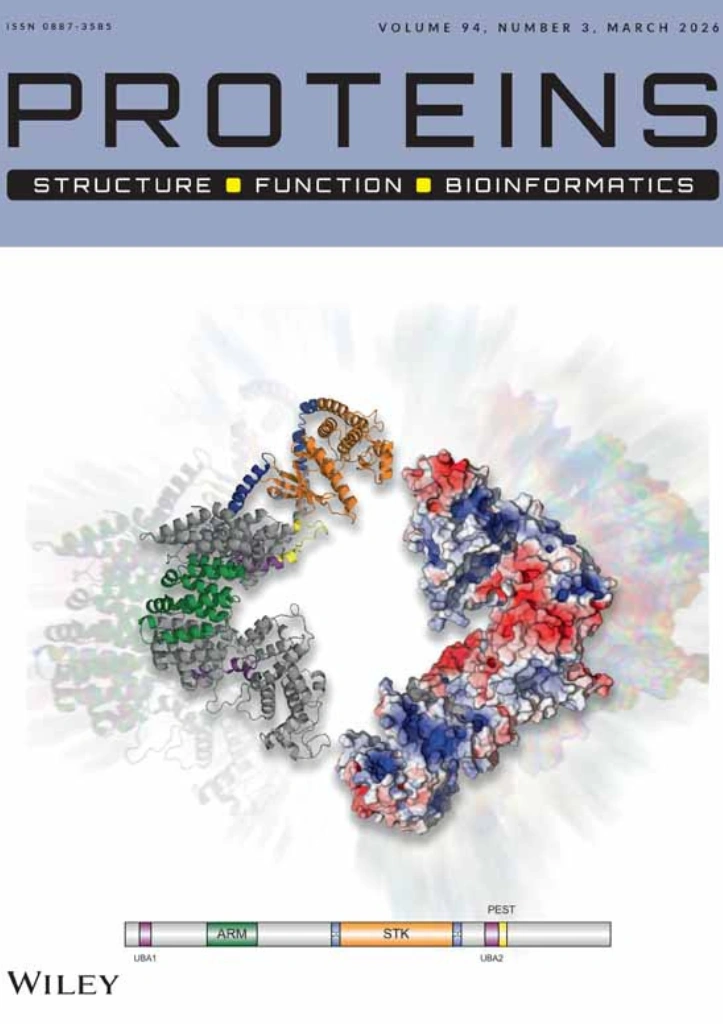
Paper Title: A large-scale evolutionary and structural analysis of CLC channels and transporters
Author: Ayush Mishra, Gladys Díaz Vázquez, Janice L. Robertson
Journal Name: Protein Science
Publisher: Wiley
Impact factor: 5.2
Our Expert Protein Engineering Editors
Pubrica’s team of subject matter experts brings unparalleled expertise and diverse perspectives to deliver comprehensive solutions with precision and innovation. With a blend of experience and specialization, they ensure excellence in every project they undertake.
What Our Client Says About Us
"Pubrica’s protein engineering team made the manuscript submission process smooth and efficient. Our paper was accepted on the first submission."

"The team helped us optimize our research for publication. Their editing services improved clarity, and their guidance was invaluable."


"Pubrica was responsive and thorough, providing excellent editing and advice for successful publication."

Testimonials
Learn how Pubrica’s meta-analysis service has empowered researchers to generate high-impact, publication-ready analyses that advance evidence-based research and elevate their academic and clinical visibility. Here is what our clients say:
"Pubrica’s team provided exceptional support throughout my meta-analysis cardiovascular drug efficacy. Their adherence to PRISMA guidelines and attention to statistical detail helped me publish in the European Heart Journal. Highly recommended"
"The meta-analysis manuscript I co-authored with Pubrica’s experts was accepted by BMC Public Health without major revisions. Their data synthesis and transparent methodology were critical to this success."
"Thanks to Pubrica’s guidance, our meta-analysis on paediatric nutrition was published in The Lancet Child & Adolescent Health. The methodological rigor and rewriting support were key contributors to the paper’s clarity and impact."
Insights
Medical journals expect a structure for case reports and review articles, with clear objectives....
Publishing a case report involves more than clinical knowledge; it also demands strategic journal ....
Effective patient education materials (PEMs) are crucial for promoting health literacy, enhancing....
WhatsApp us