
- Services
- Publication Support Services
-

Publication Support Service
-
- Editing & Translation
-
Editing and Translation Service
-
- Research Services
-
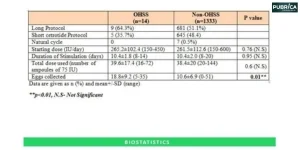
Research Services
-
- Physician Writing
-
Physician Writing Service
-
- Statistical Analyses
-

Statistical Analyses
-
- AI and ML Services
-
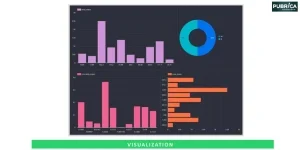
AI and ML Services
-
- Medical Writing
-
Medical Writing
-
- Research Impact
-
Research Impact
-
- Medical & Scientific Communication
-
Medical & Scientific Communication
-
- Academic Editorial Services
-
Academic Editorial Services
-
- Educational Editorial Service
-
Education Editorial Services
-
- Publication Support Services
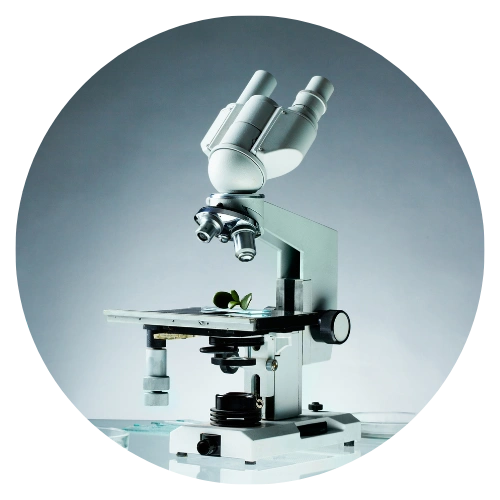
Environmental
Biomonitoring
Focused on tracking environmental pollutants such as heavy metals, pesticides, and persistent organic pollutants (POPs), environmental biomonitoring uses living organisms (e.g., fish, mosses, lichens, or invertebrates) as bioindicators of ecosystem health. This approach helps identify contamination patterns, bioaccumulation, and potential ecological risks.

Human Feed Biomonitoring
Human biomonitoring assesses chemical exposure in individuals or populations through analysis of biological matrices like blood, urine, or breast milk. It is widely used in epidemiological research, occupational safety studies, and public health surveillance to evaluate exposure to chemicals such as lead, mercury, phthalates, or bisphenol A (BPA).

Occupational
Biomonitoring
In industrial and workplace settings, biomonitoring evaluates exposure to hazardous substances, including solvents, metals, or industrial chemicals. This information supports risk management, exposure control, and compliance with occupational safety standards.

Ecological Biomonitoring
It uses bioindicator species to assess environmental quality and ecosystem responses to pollutants. Aquatic organisms like mussels, algae, or macroinvertebrates serve as effective indicators for monitoring the health of rivers, lakes, and coastal systems.

Pharmacokinetic and Toxicological Research
Biomonitoring data enhance understanding of how chemicals are absorbed, distributed, metabolized, and excreted in the body, contributing to toxicokinetic modeling and safety evaluations.








Public Health Surveillance: Used to detect population-level exposure trends, such as blood lead levels or pesticide residues, supporting preventive health policies.

Environmental Impact Assessment: Biomonitoring helps evaluate pollution sources, ecological damage, and recovery following remediation programs.

Occupational Health Management: Regular biomonitoring of workers in industries like mining, agriculture, and manufacturing ensures safety and compliance with exposure limits.

Drug and Chemical Safety Evaluation: Used in preclinical and post-market studies to assess the bioavailability and potential toxicity of chemicals and pharmaceuticals.

Risk Communication and Policy Development: Provides evidence for policymakers to establish or revise environmental and occupational standards.

Wildlife Conservation and Ecosystem Protection: Monitoring bioindicators such as fish, amphibians, or lichens helps assess ecosystem health and biodiversity changes due to pollution.

Climate and Global Change Studies: Tracks the impact of global environmental changes, such as temperature shifts and pollution transport, on biological systems.







The biomonitoring support team provided exceptional guidance throughout my research on heavy metal exposure in agricultural workers. Their analytical insights and data validation enhanced the accuracy of my findings, and the final report was publication-ready. I highly recommend their service for researchers who value precision and professionalism.


Working with the biomonitoring experts was a seamless experience. Their attention to methodological detail and understanding of environmental toxicology standards helped me improve the quality and reliability of my manuscript. Their editorial and analytical support exceeded my expectations.


I was impressed by the depth of expertise in their biomonitoring service. From biomarker identification to statistical analysis, every step was handled meticulously. The team’s ability to translate complex biological data into clear, actionable results made a huge difference in the success of my study.


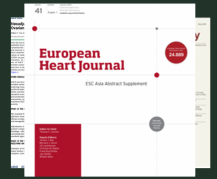
"Pubrica’s team provided exceptional support throughout my meta-analysis cardiovascular drug efficacy. Their adherence to PRISMA guidelines and attention to statistical detail helped me publish in the European Heart Journal. Highly recommended"
— Dr. Anna Müller
Cardiologist, University Hospital Munich, Germany


"The meta-analysis manuscript I co-authored with Pubrica’s experts was accepted by BMC Public Health without major revisions. Their data synthesis and transparent methodology were critical to this success."
— Dr. Rohan Mehta
Public Health Researcher,
All India Institute of Medical Sciences (AIIMS), India


"Thanks to Pubrica’s guidance, our meta-analysis on paediatric nutrition was published in The Lancet Child & Adolescent Health. The methodological rigor and rewriting support were key contributors to the paper’s clarity and impact."
— Dr. Luis Fernández
Pediatrician & Research Fellow, University of Barcelona, Spain


How to Structure Case Reports and Review Articles for Medical Journals
Medical journals expect a structure for case reports and review articles, with clear objectives....

How Should Physicians Choose the Right Journal for Submitting a Case...
Publishing a case report involves more than clinical knowledge; it also demands strategic journal ....

How Physicians Can Write Clear and Impactful Patient Education Materials
Effective patient education materials (PEMs) are crucial for promoting health literacy, enhancing....