
- Services
- Discovery & Intelligence Services
- Publication Support Services
- Sample Work
Publication Support Service
- Editing & Translation
-
Editing and Translation Services
- Sample Work
Editing and Translation Service
-
- Research Services
- Sample Work
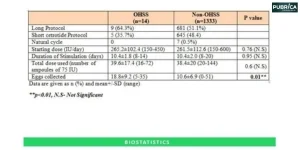
Research Services
- Physician Writing
- Sample Work
Physician Writing Service
- Statistical Analyses
- Sample Work
Statistical Analyses
- Data Collection
- AI and ML Services
- Sample Work
AI and ML Services
- Medical Writing
- Sample Work
Medical Writing
- Research Impact
- Sample Work
Research Impact
- Medical & Scientific Communication
- Sample Work
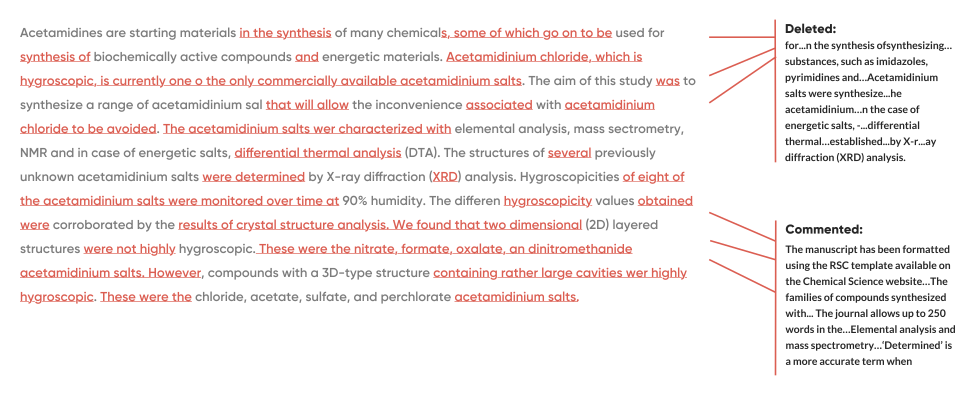
Medical & Scientific Communication
- Medico Legal Services
- Educational Content
- Academic Editorial Services
- Sample Work
Academic Editorial Services
- Educational Editorial Service
-
Education Editorial Services
- Sample Work
Education Editorial Services
-
- Industries
- Subjects
- About Us
- Academy
- Insights
- Contact Us
Navigating Web of Science: Key Features for Academic Success
- Home
- services
- Journal Selection
- Navigating Web of Science: Key Features for Academic Success
Journal Selection
- Introduction
- How to use Web of Science effectively
- Citation Tracking and citation Indexes
- Benefits of using Web of Science
- Understanding Citation Impact and journal metrics
- The Importance of Web of science for Academy Publishing
- How to Enhance your Research with Web of science
- Frequently Asked Questions
- Conclusion
- Reference
Interesting topics


Navigating Web of Science: Key Features for Academic Success
The Web of Science (WOS) is one of the most popular research databases, and most researchers are familiar with it as the place they go to find peer-reviewed academic content. The WOS is a database that is full of tools and features that can access high-quality research from various disciplines. Understanding how to use WOS, especially if you are in academia doing research or would like to become more visible in any research area, is critical to your research productivity and visibility.
The most widely accepted citation styles are APA, AMA, MLA, and Vancouver style citations. Each citation style has its unique rules (order of information), appearance (formatting), and areas in which it is used. Whether you are writing for medical research paper structure, scientific writing for physicians and surgeons, or focusing on scientific manuscript writing guide for your discipline, understanding these styles is essential.

1. Introduction to Web of Science
WOS is an online service that provides access to a wide variety of academic content, using journal articles, conference proceedings, books, etc. It has a wide number of subjects, more than science, technology, medicine, social sciences, and humanities, so it is likely to add to academic publishing considerably. [1],[2]
1.1. Key Features of Web of Science
- Comprehensive Database: Includes research from a minimum of 3 disciplines.
- Citation Indexing: Makes it possible for researchers to track citations and measure the impact of their research.
- High-Quality Sources: Access to peer-reviewed journals, conference proceedings, and patents.

2. How to Use Web of Science Effectively
2.1. Search Capabilities
2.2. Search Tips
- Use Boolean operators (AND, OR, NOT) to refine searches.
- Filter results by publication year, document type, and research area.

3. Citation Tracking and Citation Indexes
WOS allows researchers to track the citations of their work or other academic papers. Citation tracking is essential for evaluating the impact factor of research, helping authors understand how their work is being used by others.
3.1. Key Citation Indexes:
- Science Citation Index (SCI): Emphasis on scientific fields.
- Social Sciences Citation Index (SSCI): Emphasis on literature in social science.
- Arts and Humanities Citation Index (AHCI): Emphasis on content in the humanities.

4. Benefits of Using Web of Science
WOS offers considerable benefits for researchers looking to enhance their research visibility and deepen research impact. Publishing in high-impact journals begins with searchable, credible, and verifiable research content. [3]
4.1. Improved Research Visibility
- Researcher can utilize WOS to identify present trends and key studies in their field.
- The site will also facilitate their connection with researchers and professionals across the world.
4.2. Enhanced Citation Analysis
- A researcher can track their research impact when knowing how many times it has been cited.
- Citation analysis can also help identify significant or key journals and studies that have influenced or impacted a particular area of research.

5. Understanding Citation Impact and Journal Metrics
| Impact Factor | h-index |
| The impact factor is a standard and widely used metric to assess the importance and influence of a journal. A high impact factor indicates that the articles in that journal are cited frequently, indicating that it is significant in that field. | While the h-index is designed to measure both the productivity and citations impact of researchers’ output, it can only be a suggested description of their work. A high h-index indicates the researcher has published several high-impact articles that have been widely cited |

6. The Importance of Web of Science for Academic Publishing
Utilizing Web of Science in academic publishing can improve authors’ research visibility. Below are some reasons why Web of Science is vital to academic success.
- Peer-Reviewed Research: It guarantees access to accepted, verified, reliable, and high-quality publications.
- Broad Research Coverage: It offers a range of journals, conferences, and research papers across all academic fields.
- Global Collaboration: Offers researchers the opportunity to build relationships and collaboration globally.
7. How to Enhance Your Research with Web of Science
- Collaborative Research Opportunities: The Web of Science not only allows you to find relevant literature, but it also helps you to find potential collaborators by displaying leading researchers and the work they have done
- Up-to-date Information: Web of Science offers up-to-date access to the latest publications, which helps researchers stay current with developments in their respective fields
7.1. Web of Science Key Metrics
| Impact Factor | Measures the frequency with which a journal’s articles are cited |
| h-index | Measures the productivity and citation impact of a researcher’s publications |
| Citations | Tracks the number of times a specific article has been cited |
| Peer-Reviewed [5] | Indicates the reliability and quality of the research |

Conclusion
Web of Science is an important resource for academic researchers, providing resources to improve research visibility and citation tracking. It provides high-quality journals, citation indexes, and advanced search tools to allow researchers to improve their academic publishing practices. Effective use of the elements of Web of Science (i.e., impact factor; h-index) can quickly boost a researcher’s academic profile.
Navigating Web of Science: Key Features for Academic Success? Our academic consultants are here to guide you. [Get Expert Publishing Support] or [Schedule a Free Consultation]
Frequently Asked Questions (FAQs)
1. How does Web of Science help with research visibility?
Web of Science helps increase research visibility by offering access to high-impact journals and providing citation tracking tools, allowing researchers to monitor the impact of their work. It also connects researchers globally, making it easier to share and collaborate on studies.
2. What is the Impact Factor in Web of Science?
The Impact Factor is a metric that measures the frequency with which a journal’s articles are cited. A higher impact factor indicates that the journal has a significant influence within its field, and publishing in such journals can enhance the visibility of a researcher’s work.
3. What are citation indexes in Web of Science?
Citation indexes in Web of Science include the Science Citation Index (SCI), Social Sciences Citation Index (SSCI), and Arts and Humanities Citation Index (AHCI). These indexes allow researchers to track how often their work and other articles in their field have been cited, helping to evaluate research impact.
4. How can I improve my academic profile using Web of Science?
By using Web of Science, researchers can identify key trends and studies in their field, track how often their work is cited, and publish in high-impact journals. These tools contribute to enhancing a researcher’s academic profile and increasing their visibility in the academic community.

References
- McVeigh, M. (2021). Understanding and using journal metrics: seeing past the numbers. Pathology, 53(4), 559–561. https://doi.org/10.1016/j.pathol.2021.02.006
- Céspedes, L. (2021). Latin American journals and hegemonic languages for academic publishing in Scopus and Web of Science. Trabalhos Em Lingüística Aplicada, 60(1), 141–154. https://doi.org/10.1590/010318138901311520201214
- Huang, Y., Schuehle, J., Porter, A. L., & Youtie, J. (2015). A systematic method to create search strategies for emerging technologies based on the Web of Science: illustrated for ‘Big Data.’ Scientometrics, 105(3), 2005–2022. https://doi.org/10.1007/s11192-015-1638-y
- Kavic, M. S., & Satava, R. M. (2021). Scientific literature and evaluation metrics: Impact factor, usage metrics, and altmetrics. Journal of the Society of Laparoendoscopic Surgeons, 25(3), e2021.00010. https://doi.org/10.4293/JSLS.2021.00010
- Callaham, M. L., Baxt, W. G., Waeckerle, J. F., & Wears, R. L. (1998). Reliability of editors’ subjective quality ratings of peer reviews of manuscripts. JAMA: The Journal of the American Medical Association, 280(3), 229–231. https://doi.org/10.1001/jama.280.3.229