Pubrica

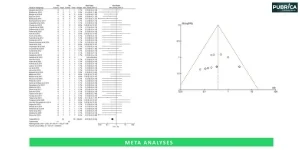
Mean and Mean difference are the two key statistical measures used in the statistical analysis. Both are essential for meta-analysis as well. Mean and Mean difference are used for the interpretation of a large set of values into a single number which explains the heterogeneity and variation among the individual values. However, one of a common challenge in meta-analysis is the unavailability of this data (mean and standard deviation).

Q & A Forum

Meta Analysis

Q: How can Standardized Mean Differences (SMDs) be interpreted using rules of thumb?

Article-4-Cumulative-Meta-Analysis_-A-Key-Tool-for-Evidence-Synthesis-1

Effect Size

SMDs, often referred to as effect sizes, can be interpreted using commonly accepted guidelines, primarily derived from social science research. One widely used scale (Cohen, 1988) suggests: 

  • 0.2 = Small effect 
  • 0.5 = Moderate effect 
  • 0.8 = Large effect 

Other variations exist, such as: 

  • < 0.40 = Small effect 
  • 0.40 to 0.70 = Moderate effect 
  • > 0.70 = Large effect 

Reference

Cochrane Handbook for Systematic Reviews of Interventions. (2011). 12.6.2 Re-expressing SMDs using rules of thumb for effect sizes. The Cochrane Collaboration. Retrieved from 

https://handbook-5-1.cochrane.org/chapter_12/12_6_2_re_expressing_smds_using_rules_of_thumb_for_effect_sizes.htm

Connect with us to explore how we can support you in maintaining academic integrity and enhancing the visibility of your research across the world!