
- Services
- Discovery & Intelligence Services
- Publication Support Services
- Sample Work
Publication Support Service
- Editing & Translation
-
Editing and Translation Services
- Sample Work
Editing and Translation Service
-
- Research Services
- Sample Work
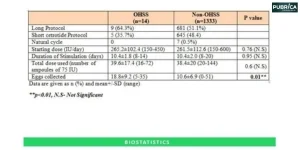
Research Services
- Physician Writing
- Sample Work
Physician Writing Service
- Statistical Analyses
- Sample Work
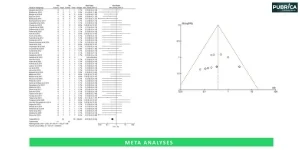
Statistical Analyses
- Data Collection
- AI and ML Services
- Sample Work
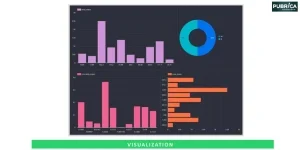
AI and ML Services
- Medical Writing
- Sample Work
Medical Writing
- Research Impact
- Sample Work
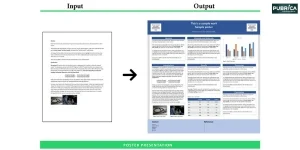
Research Impact
- Medical & Scientific Communication
- Sample Work
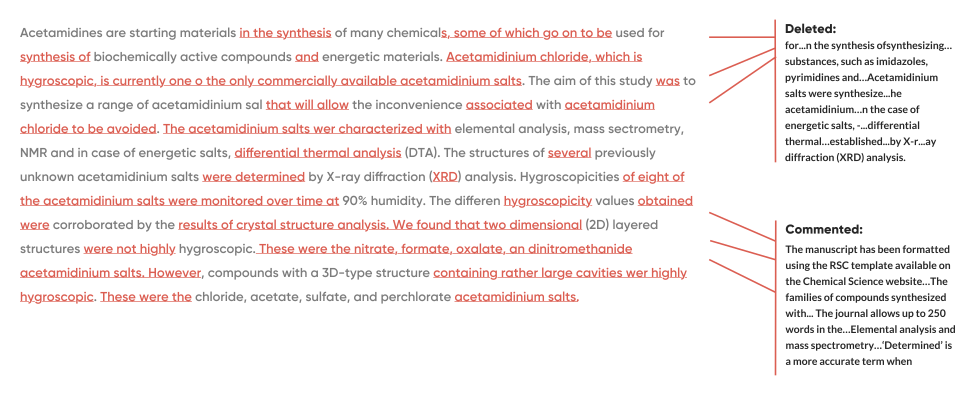
Medical & Scientific Communication
- Medico Legal Services
- Educational Content
- Academic Editorial Services
- Sample Work
Academic Editorial Services
- Educational Editorial Service
-
Education Editorial Services
- Sample Work
Education Editorial Services
-
- Industries
- Subjects
- About Us
- Academy
- Insights
- Contact Us
- A central feature of modern evidence-based medico-legal practice, applied to personal injury, medical negligence, and insurance litigation.
- Provides evidence-based expert medical legal consultation to clarify medically complex issues for lawyers.
- Mechanism for fair outcomes through objective and research-based opinions.
Q & A Forum
Publication Support
Q: What is an Evidence-Based Medico-Legal Report?
An evidence-based medico-legal report is a professionally organized document that fuses medical science and its principles with legal standards to provide an objective, supportable medical opinion in the context of legal matters.
- Interaction of Clinical and Legal: The interplay of patient history, examination findings, and investigations with handwritten articles and clinical guidelines is described.
- Scientific and Legal Validity: Makes sure that whatever diagnosis, causation analysis, and prognosis made throughout the report are supported by evidence-both medically and legally.
Applications in the Legal Context:
- A central feature of modern evidence-based medico-legal practice, applied to personal injury, medical negligence, and insurance litigation.
- Provides evidence-based expert medical legal consultation to clarify medically complex issues for lawyers.
- Mechanism for fair outcomes through objective and research-based opinions.
Example of Third Person:
Fire safety is crucial for everybody. A resident should assess whether they are prepared to handle an emergency fire safety condition. To ensure readiness, residents should be known about emergency exits and the building’s fire safety plan and fire system.
Connect with us to explore how we can support you in maintaining academic integrity and enhancing the visibility of your research across the world!
Nature Journal Manuscript Formatting Guide
- Home
- Q & A Forum
- Medico Legal
Medico Legal
What is an Evidence-Based Medico-Legal Report?
An evidence-based medico-legal report is a professionally organized document that fuses medical science and its principles with legal standards to provide an objective, supportable medical opinion in the context of legal matters.
- Interaction of Clinical and Legal: The interplay of patient history, examination findings, and investigations with handwritten articles and clinical guidelines is described.
- Scientific and Legal Validity: Makes sure that whatever diagnosis, causation analysis, and prognosis made throughout the report are supported by evidence-both medically and legally.
Applications in the Legal Context:
- A central feature of modern evidence-based medico-legal practice, applied to personal injury, medical negligence, and insurance litigation.
- Provides evidence-based expert medical legal consultation to clarify medically complex issues for lawyers.
- Mechanism for fair outcomes through objective and research-based opinions.
Table of Content
- 1. What is an Evidence-Based Medico-Legal Report?
- 2. How Does Pubrica Ensure the Scientific Validity of Medico-Legal Opinions?
- 3. What Types of Legal Cases Benefit from Evidence-Based Medical Reviews?
- 4. What is the Role of Causation Analysis in Medico-Legal Reporting?
- 5. Does Pubrica Support Forensic Medical Analysis?
- 6. What Sources Are Used for Evidence Citation?
- 7. Can Pubrica Provide Expert Witness Slide Decks or Summaries?
- 8. Can Clients Request Revisions or Supplementary Literature in Reports?
- 9. How is Client Data Handled in Medico-Legal Projects?
How Does Pubrica Ensure the Scientific Validity of Medico-Legal Opinions?
An organized literature review might include a broad search using databases deemed authoritative:
- PubMed
- Cochrane
- UpToDate
Such consensus ensures that the latest peer-reviewed medical research is available.
Evidence Grading Systems
- Clinical findings correlate to grading evidence systems such as GRADE.
- This enables assessing quality and strength of evidence on which conclusions rely.
Alignment with Global Guidelines
- Quotes major international medical guidelines like those of NICE, WHO, AHRQ, which help to ensure that all opinions are firmly anchored into medically accepted worldwide.
What Types of Legal Cases Benefit from Evidence-Based Medical Reviews?
- The medical review found within the evidence is invaluable to the working of various cases that ensure that results are justly fair on a scientifically evidence-based platform.
These might include:
- In the case of Medical Malpractice and Negligence, these reviews help in the acceptance or rejection of the argument concerning actions performed by the healthcare professional and whether those actions fell in connection with the established standards of care.
- In personal injury and disability claims, an objective assessment is given based on the veracity or otherwise of the allegation concerning injury severity and the long-term impact on an individual’s ability to work or otherwise function.
- In disputes against insurance, reviews detail the bona fides of claims and work toward fair compensation.
- Compensation for workers: Medical reviews trace the connection between work-placed injuries and the person’s own health condition.
- Criminal cases involving some aspects of medical evidence also clarify some medical ins-and-outs concerning the criminal charges, such as disorders/injuries or psychological matters.
- In disputes over consent and documentation, a medical review can support the contention that consent was obtained, and that the documentation presents the case.
What is the Role of Causation Analysis in Medico-Legal Reporting?
In medico-legal documentation, the process of analysis of causation indicates the connection of a particular event or omission to some injury or condition. In other words, it demands consideration in determining liability and also provides the basis for the admissibility of evidence in court.
At Pubrica, causation analysis is looked at through the following approaches:
- The analysis of each possible cause of a disease to determine the most likely cause is called differential diagnosis.
- Timeline Assessment is checking on the sequence of events to establish the time relationship of the event and injury.
- Clinical plausibility is ensuring the causation is scientifically and logically sound based on established medical knowledge and evidence.
By systematically analysing these three aspects of causation, it could be taken from the perspective of either proving or challenging the premise that the alleged injury results from or is aggravated by the event under consideration, hence fortifying the expert’s opinions in the medico-legal with respect to the court of law.
Does Pubrica Support Forensic Medical Analysis?
Yes, Pubrica offers all-inclusive resources for forensic medical analysis. The medico-legal team collaborates with highly specialized/competent professionals, such as forensic pathologists, toxicologists, etc. Most of forensic work focuses on these areas:
- Cause of Death: Assessing medical and pathological evidence as supportive for determining the actual cause.
- Trauma Patterns: Evaluation of the injuries to signify their type, mechanism, and time of occurrence.
- Substance Participation: Evaluation of drugs, alcohol, or toxins in that event.
- Post-Mortem Intervals: Estimating the period since death by scientific methods and bodily modifications.
All the analysis, which is valid, reliable, accurate, and legally defensible, is derived from prescribed forensic protocols and published standards set by our team across the globe with the assurance of critical insights into both judicial as well as investigational procedures.
What Sources Are Used for Evidence Citation?
It is in Pubrica that we depend upon some of the top references’ sources for the proper scientific legitimacy concerning the medico-legal reports. Some of them include the following:
- Peer-Reviewed Journals: By citing a reputable medical journal like NEJM, The Lancet, and JAMA, the available evidence from current and authoritative research is provided.
- Systematic Reviews and Meta-Analyses: These studies summarize all existing credible information available as evidence to be used in the legal case and are very supportive.
- Evidence Based Clinical Guidelines: credible clinical practice guidelines by medical organizations are linked directly to ensure that the opinions are in tandem with the established standard practices.
- Legal-Medical Textbooks & Landmark Case Precedents: In these textbooks and the respective tribunals are findings that help in combining medicine with legal frameworks in medico-legal cases.
- Protocols of regulatory bodies: This is the process by which guidelines from FDA, MCI and NICE will be used to justify the medical practice application within the legal perspective.
These are the references through which the medico-legal reports made are scientifically recognized and legally defendable.
Can Pubrica Provide Expert Witness Slide Decks or Summaries?
Yes, Pubrica prepares witness expert testimony slides with a full understanding of its presentation before the judiciary in respect to clarity, scientific, and legal-professional standards. This includes
- Expert Presentation Slide Decks: We prepare comprehensive and stimulating slide presentations that simply communicate complicated and disputed medico-legal matters for easy comprehension by the opposite side and the court.
- Summary Sheets: Short, easy-reference documents for court submissions containing the gist of key points, evidence, and conclusions presented clearly and in an orderly fashion.
- Visual Case Timelines: We design timelines that show, in a visual form, critical events of the case thus assisting in proving causation with the chronology of events, something that holds great significance in medico-legal cases.
These documents and materials would be duly referred to and formatted according to medico-legal standards, therefore qualifying for the highest legal and scientific standards for expert evidence.
Can Clients Request Revisions or Supplementary Literature in Reports?
At Pubrica, we’re very flexible so that our reports suit every client’s need or legal strategy completely. We offer:
- Two Revision Rounds: The client can call for two rounds of revisions to be making in terms of content, arrangement, or analysis; thus, the report should meet specified legal requirements.
- Additional Literature: Client can also ask for further peer-reviewed literature or other research to substantiate certain issues in the case and further support the report.
- Tailored Jurisdictional Analysis: With different legal frameworks, we can always make the report conform to and be relevant to the very specific jurisdictional laws and/or legal strategy under consideration.
How is Client Data Handled in Medico-Legal Projects?
At Pubrica, we hold the security and confidentiality of client data in high esteem in all of our medico-legal projects. We follow stringent measures to ensure compliance with global data protection laws:
- Encryption: All client data is encrypted while in transit and at rest with the utmost degree of protection using advanced encryption protocols.
- Access Control: Access to the client data set is available to people with special user roles; any viewing or modification of sensitive information can only be done by persons whom the special user role has noted.
- Compliance Regulation: For the confidentiality and security of data, we enact the strict protocols of HIPAA together with principles of GDPR and applicable local laws on data protection.
- NDAs & Service Agreements: Pubrica signs Non-Disclosure Agreements and service agreements with its clients to ensure the confidentiality of all shared data and comply with all legal and regulatory requirements.
These specifications enable us to protect client data and ensure that it is handled in a secure and responsible manner throughout project work.