
- Services
- Discovery & Intelligence Services
- Publication Support Services
- Sample Work
Publication Support Service
- Editing & Translation
-
Editing and Translation Services
- Sample Work

Editing and Translation Service
-
- Research Services
- Sample Work
Research Services
- Physician Writing
- Sample Work
Physician Writing Service
- Statistical Analyses
- Sample Work
Statistical Analyses
- Data Collection
- AI and ML Services
- Sample Work
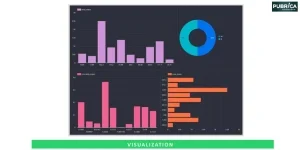
AI and ML Services
- Medical Writing
- Sample Work
Medical Writing
- Research Impact
- Sample Work
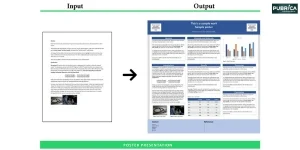
Research Impact
- Medical & Scientific Communication
- Sample Work
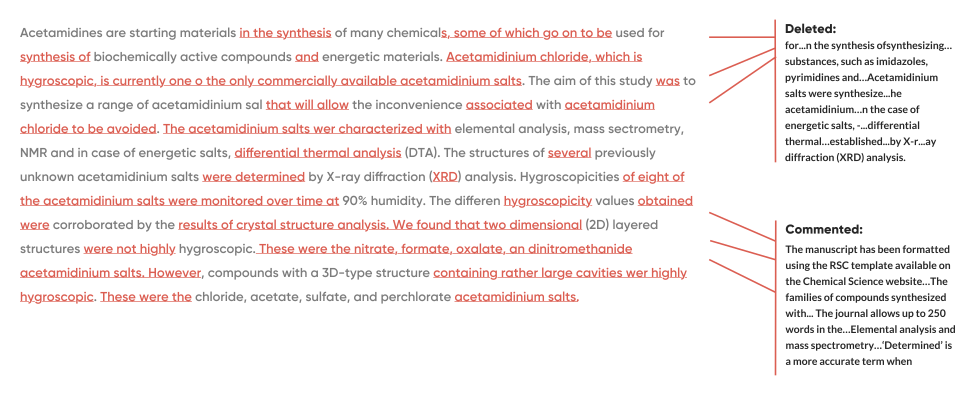
Medical & Scientific Communication
- Medico Legal Services
- Educational Content
- Academic Editorial Services
- Sample Work
Academic Editorial Services
- Educational Editorial Service
-
Education Editorial Services
- Sample Work
Education Editorial Services
-
- Industries
- Subjects
- About Us
- Academy
- Insights
- Contact Us
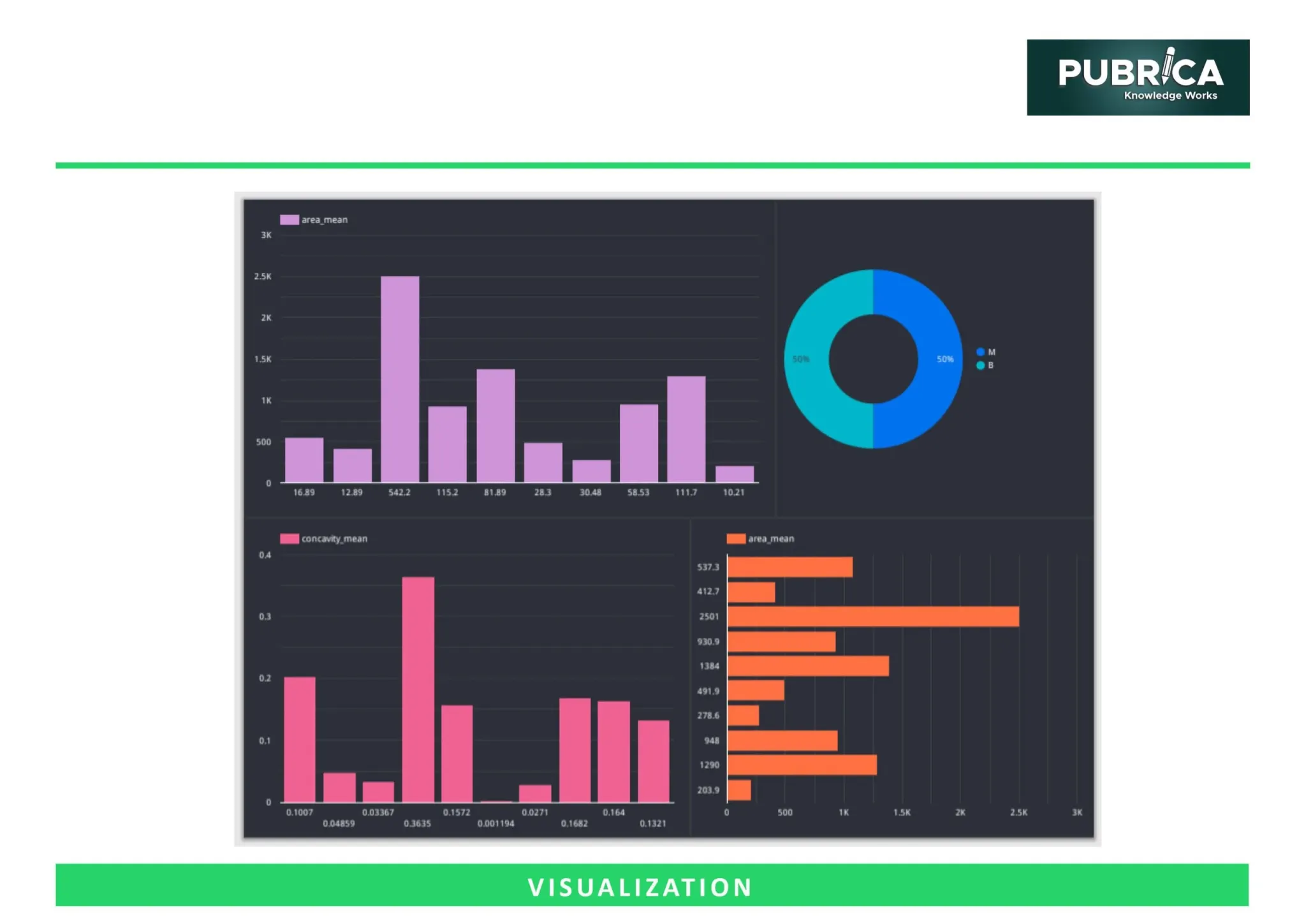
The Fragile Balance of Trust in Scientific Publishing: Retractions, Integrity, and Accountability


Dr.Nancy | Research design and Mixed Methods Research.
19 Jan, 2025
Introduction: Trust as the Bedrock of Scientific Publishing
Scientific publishing thrives on trust. Readers trust that published articles have undergone rigorous peer review. Reviewers trust their pro bono efforts contribute to scientific advancement. Authors trust that editors act with accountability and fairness, while research funders trust the publishing system’s reliability and integrity. However, trust is fragile. It takes years to build but can be shattered quickly, especially if the mechanisms of publication and retraction lose their integrity.
The Role of Retractions in Scientific Integrity
Retractions serve as a critical mechanism to maintain the credibility of scientific literature. According to the COPE Council (2019), retractions are a way to correct the record and alert readers to flawed or erroneous content that renders findings unreliable [6]. While manuscript rejections are private and commonplace, retractions are public, rare, and carry a lifelong stigma for authors [8]. Therefore, retracting a published paper requires extraordinary care and compelling evidence of misconduct or serious error.
Concerns About Misuse of Retractions
While retractions are intended to uphold the integrity of scientific literature, there is growing concern that they are being misused [2]:
- Third-Party and Business Interests: Historically, external forces have attempted to suppress inconvenient research findings. However, the current challenge arises from within the scientific publishing ecosystem itself.
- Retractions as Tools of Suppression: Some actors in the publishing system may exploit retractions to advance their own agendas, undermining academic freedom and discouraging critical scientific discourse.
- Impact on Trust: If these trends continue, scientists may lose faith in the publishing system, leading to hesitation in publishing critical or groundbreaking work
Existing Research on Retractions
Studies on retractions have primarily focused on observable metrics, such as :
- Reasons for retraction.
- Who requested the retraction.
- Characteristics of the journals involved.
- Origins of the authors.
- Citation rates post-retraction.
However, limited research exists on the decision-making process behind retractions and whether retractions are always justified.
Are Retractions Justified?
- Hesselmann et al. (2017) and Xu and Hu (2021) report that the majority of retractions are requested or agreed upon by authors.
- Retraction Watch (2023) archives confirm this trend.
Unjustified Retractions: Hidden Flaws in the System
Unjustified retractions, though uncommon, raise critical questions:
- Author Resistance: Retractions against the will of authors often involve disputes about whether corrections, rather than retractions, would suffice.
- Motivations for Retractions: In rare cases, retractions may be influenced by business interests, data access issues, plagiarism, or authorship disputes [5].
- Need for Reform: Investigating these cases can reveal systemic vulnerabilities, enabling corrective actions to prevent future misuse.
Contact Pubrica today to learn more about how we can assist in enhancing the integrity and impact of your research!
We offer the expertise, knowledge, and comprehensive support your Clinical research and publication needs.
The Need for Transparency and Accountability
Scientific publishing must prioritize transparency and accountability in retraction decisions. To ensure fairness and maintain trust :
- Develop Clear Guidelines: Retraction decisions should be based on transparent, well-defined criteria.
- Independent Oversight: Establish independent review boards to assess disputed retractions.
- Protect Academic Freedom: Ensure that retractions are not influenced by external pressures or conflicts of interest.
How Pubrica Supports Researchers
- Manuscript Review: We provide rigorous pre-submission reviews to identify and rectify potential issues, reducing the risk of retractions.
- Ethical Compliance: Our experts ensure that your research adheres to ethical and publication standards.
- Conflict Resolution: We offer guidance and support in resolving disputes related to authorship, data access, and other publication concerns.
- Educational Resources: Through Pubrica Academy, we provide training on navigating the complexities of scientific publishing and safeguarding your work.